
Many pet owners realize too late that disaster plans need to include their animals. You should start by preparing an emergency kit with essentials, including food, water, medications, and comfort items. Familiarize yourself with evacuation routes and pet-friendly shelters ahead of time. Managing your pet’s stress during chaos is key, so develop a plan for their needs. Keep your plan updated and practice regularly. Stay one step ahead—there’s more to guarantee your pet’s safety.

Get garden gear delivered free — and shop member deals
- Fast, free delivery on millions of items
- Access to Prime Big Deal Days deals on October 6–7
- Prime Video, Amazon Music and more included
Key Takeaways
- Many owners delay creating an emergency kit, risking unpreparedness during crises.
- Owners often overlook practicing evacuation routes with pets, leading to confusion during emergencies.
- Pet-friendly shelter plans are frequently neglected or identified too late.
- Stress management strategies for pets are seldom developed until a disaster occurs.
- Regular plan reviews and updates are often skipped, reducing overall preparedness.
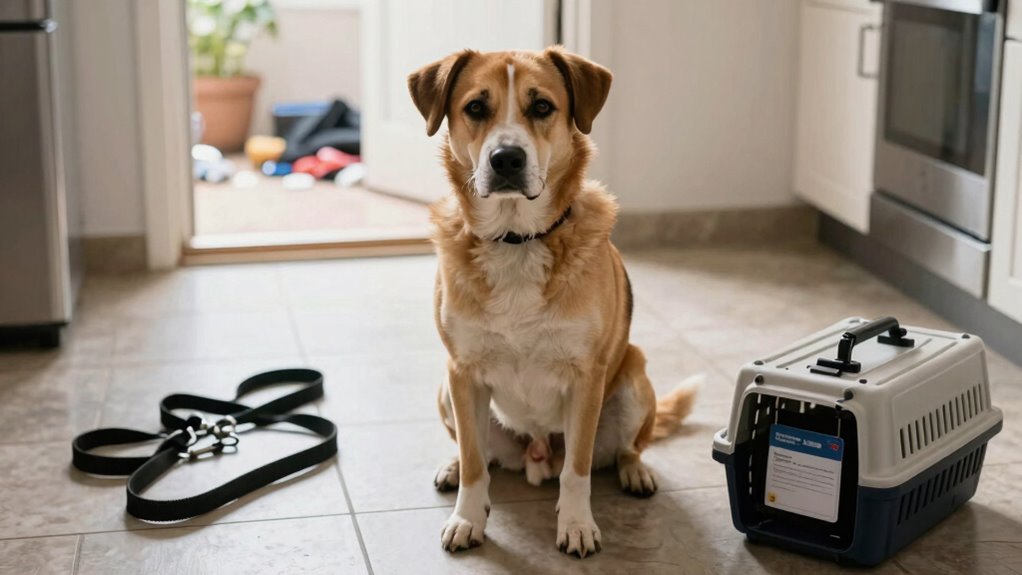
When disaster strikes, your pet’s safety should be just as much a priority as your own. Many owners wait until the last minute to prepare, thinking it won’t happen to them or underestimating how quickly a situation can escalate. The truth is, having a solid plan in place saves lives—yours and your pet’s. The first step is assembling an emergency kit tailored for your pet. This kit should include essentials like food, water, medications, and comfort items such as a favorite toy or blanket. Don’t forget to pack a leash, harness, and any necessary identification tags or microchip information. Keep this kit in an accessible spot so you can grab it on short notice. Fast access is critical because during a disaster, every second counts.
Another vital element is knowing your evacuation routes. Many people assume they’ll have time or that their usual routes will be safe, but disasters often change conditions rapidly. Take the time to research multiple evacuation routes in advance, considering different scenarios like floods, wildfires, or storms. Practice these routes with your pet so they’re familiar and less stressed during an emergency. Keep a printed map or directions in your emergency kit, along with any necessary contact numbers for shelters or veterinary clinics that accept pets. Planning ahead means you’re not scrambling when panic sets in, and it helps ensure you can move quickly and safely with your furry companion. Additionally, understanding disaster preparedness can help you better anticipate and respond to unexpected events. Being aware of local emergency protocols and community resources further enhances your readiness and peace of mind.
In addition, you should have a plan for where to shelter with your pet if evacuation isn’t immediately possible. Identify pet-friendly shelters or hotels beforehand, because many emergency shelters don’t accept animals. Confirm their policies and locations so you’re not left searching at the last minute. Also, consider how your pet reacts to stress—some animals need calming techniques or familiar items to stay calm during chaos. Creating a comprehensive disaster plan that includes your pet’s needs can significantly reduce anxiety during emergencies. Regularly reviewing and updating your plan ensures it remains effective and relevant, especially after moves or changes in your pet’s health. Being aware of community resources and how to access them can provide additional support during critical moments. Most owners start too late because they think emergencies won’t happen to them or underestimate the speed at which they occur. To avoid this mistake, review and update your plan regularly. Keep your emergency kit stocked, and make sure your evacuation routes are still valid. Practice drills with your pet, so everything becomes second nature. Remember, a quick, prepared response can make all the difference. Your goal is to act swiftly and confidently, knowing you’re doing everything possible to protect your pet when disaster hits. Preparedness isn’t just for humans; your pet’s safety depends on your proactive planning.
As an affiliate, we earn on qualifying purchases.
Frequently Asked Questions
What Essential Supplies Should I Include in My Pet’s Disaster Kit?
You should pack essential supplies like pet nutrition, including enough food and water for several days, and veterinary records in case of emergencies. Don’t forget medications your pet needs and a first aid kit. Include familiar items like toys or blankets to comfort them. Having their veterinary records handy can speed up treatment. These supplies help keep your pet safe, healthy, and comforted during a disaster.
How Often Should I Update My Pet’s Emergency Plan?
They say, “Better safe than sorry,” so you should review and update your pet’s emergency plan every six months. This guarantees your Pet insurance details are current and your Veterinary records are up-to-date. Changes in your pet’s health or new contact info mean your plan needs adjusting. Regular updates help you respond swiftly during a disaster, giving your pet the best chance for safety and care.
What Should I Do if My Pet Gets Lost During a Disaster?
If your pet gets lost during a disaster, act quickly by searching nearby areas and calling their name calmly. Use familiar scents and treats to attract them. Update their Pet mental health records with recent photos and descriptions. Contact your veterinary emergency contacts and local shelters immediately, and share your pet’s info on social media and lost pet databases. Staying calm and proactive increases the chances of safe recovery.
How Can I Help My Pet Stay Calm During Emergencies?
To help your pet stay calm during emergencies, use calming techniques like gentle petting, soothing words, or a familiar item. Identify anxiety triggers beforehand, such as loud noises or sudden movements, and minimize them. Keep a calm demeanor yourself to reassure your pet. Practice these techniques in less stressful situations first, so they become familiar and effective when disaster strikes, reducing your pet’s fear and anxiety.
Are There Specific Shelters That Accept Pets During Disasters?
Like a safe harbor in a storm, some pet shelters accept animals during disasters. You should research pet shelter options ahead of time, focusing on disaster-specific accommodations. Many emergency shelters partner with local organizations to provide spaces for pets, but availability varies. Check with local authorities and organizations like the American Red Cross to find designated pet-friendly shelters, ensuring your furry friend has a safe place during emergencies.
As an affiliate, we earn on qualifying purchases.
Conclusion
Don’t delay, design, and dust off your disaster plan today. Preparing for potential problems beforehand brings peace, protection, and peace of mind. By building a basic blueprint, you’re bringing safety and security to your beloved pet. Remember, readiness reduces risk, relieves regret, and reinforces reassurance. So, start small, stay steady, and safeguard your furry friend’s future—because prevention is the best protection during unpredictable, unavoidable emergencies.
As an affiliate, we earn on qualifying purchases.
As an affiliate, we earn on qualifying purchases.
Fall yard work Picks
leaf blowers
As an affiliate, we earn on qualifying purchases.