TL;DR

Get garden gear delivered free with Prime
- Fast, free delivery on millions of items
- Prime Video, Amazon Music and more included
- Member-only deals all year
A report from Amateur Gardening presents nine plants associated with Chinese garden symbolism, drawing on the Yangzhou Scholars’ Garden at RHS Bridgewater. Curator Tracy Snell explains their meanings, while RHS Chief Horticulturist Guy Barter gives practical growing advice; the symbolism is cultural meaning, not a promise of luck, love or long life.
Amateur Gardening has published a guide to nine plants valued in Chinese garden traditions, pairing their symbolic meanings with practical cultivation advice from RHS Bridgewater curator Tracy Snell and RHS Chief Horticulturist Guy Barter. The report connects familiar garden plants with the Yangzhou Scholars’ Garden at RHS Bridgewater in Salford, which it says opened in September 2026 after eight years in the making.
The nine selections are magnolia, ginkgo, Japanese maple, bamboo, Chinese wintersweet, hydrangea, peony, plum and pine. The supplied report gives detailed growing guidance for the first six, and explains that pine and plum are part of a traditional planting combination with bamboo. It does not provide the full growing details or individual symbolism for every plant in the headline’s count.
Snell describes the plants as more than decoration. In her account, plants in a Chinese scholars’ garden can express a person’s character, contribute to an artistic arrangement of nature and other features, and mark the changing seasons. The report presents this as cultural interpretation, rather than a claim that a plant will bring good fortune or change a person’s life.
Barter’s advice focuses on conditions and care. Magnolias need full sun and well-drained soil; ginkgo tolerates a range of soil types but usually needs space because it grows large. Japanese maple prefers partial shade and soil that does not dry out excessively. For most newly planted trees discussed, the report advises keeping the area around them weed-free and watering during dry spells for the first two years.
Symbolism Meets Everyday Garden Choices
The guide connects cultural meaning with practical horticulture, offering readers a way to understand why particular plants appear together in a designed garden while also considering whether they suit a British plot. That is relevant to gardeners who may already grow magnolias, hydrangeas or Japanese maples without knowing the meanings described in the report.
The growing advice also points to differences that matter in practice: a mature ginkgo may be too large for a small garden, while the report identifies the dwarf cultivar Ginkgo biloba ‘Troll’ as an option for compact spaces or containers. Japanese maple, by contrast, is described as suited to partial shade and moist, not waterlogged, soil. The symbolic associations can inform a planting scheme, but the reported advice makes clear that site conditions and plant size remain central to choosing what to grow.
Popular right now

Sony BRAVIA 5 85-Inch Mini LED 4K HDR Smart TV (K-85XR50)

De'Longhi 15-Bar Pump Espresso Machine with Milk Frother & Temperature Control

KitchenAid Artisan Series 5-Quart Tilt-Head Stand Mixer, Dried Rose (KSM150PS)
As an affiliate, we earn on qualifying purchases.
The Yangzhou Garden at RHS Bridgewater
The guide is based on plants associated with the Yangzhou Scholars’ Garden at RHS Bridgewater, the Royal Horticultural Society garden in Salford. The source says the garden opened in September 2026 following eight years of development. It does not give a publication date for the article, so the timing of the guide itself cannot be pinned down from the supplied material.
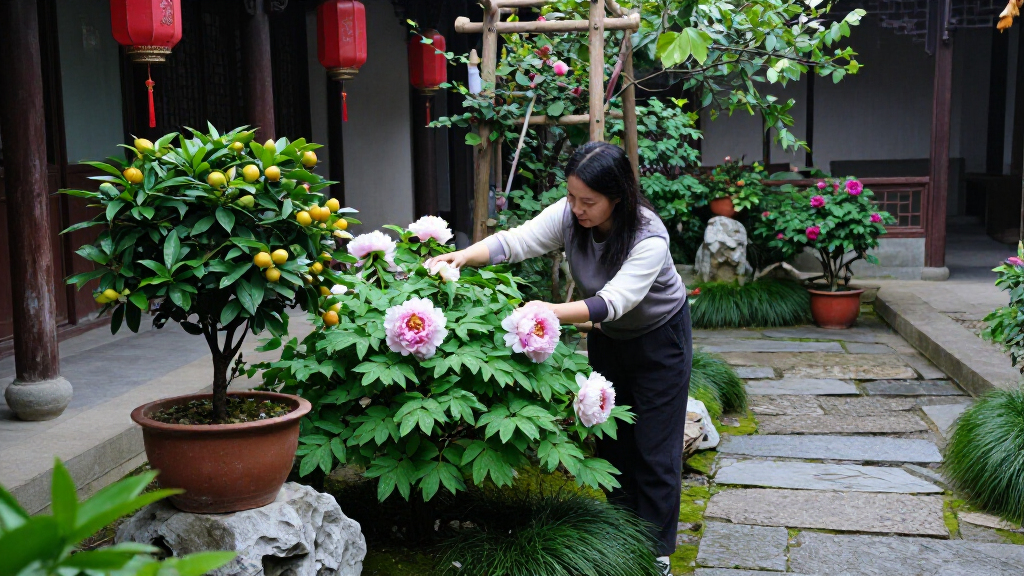
Snell says a scholars’ garden brings plants together with features such as rocks, buildings and water. The composition is intended to present a stylised version of nature and display artistic choices. The guide’s examples include the “three friends of winter”: bamboo, pine and plum, which Snell says represent strength, perseverance and the ability to withstand adversity.
“Plants in a Chinese scholars’ garden are chosen as an expression of the person’s personality, as well as creating a stylised version of nature and showcasing artistic talent in the placement of the plants.”
— Tracy Snell, curator at RHS Bridgewater
Details Missing From the Plant List
The supplied source material does not include the full entries for all nine plants. It gives named meanings for magnolia, ginkgo, Japanese maple, bamboo, Chinese wintersweet and hydrangea, but the material cuts off during the hydrangea advice. It does not provide the remaining plant entries, so the meanings and cultivation guidance for peony, plum and pine cannot be fully reported from this source alone.
The article also does not explain how the symbolic meanings vary across Chinese traditions or regions. These associations should be understood as the interpretations presented by Snell in this guide, rather than universal beliefs. The source identifies the garden’s opening month and year but does not state the article’s publication date.
Check the Full Growing Guidance
Readers considering these plants should consult the complete guide and plant-specific advice before planting, particularly where space, soil drainage, shade or winter conditions may limit growth. Barter’s recommendations in the supplied material include watering new trees during dry spells for their first two years, avoiding routine pruning where it can spoil a plant’s form, and checking clumping bamboo for any invasive growth.
The source provides no further announced milestone for the Yangzhou Scholars’ Garden. The immediate next step for readers is to use the full article or RHS plant guidance to verify care instructions for all nine selections, since the supplied report excerpt does not contain every entry.
Key Questions
Which nine plants does the guide feature?
The report names magnolia, ginkgo, Japanese maple, bamboo, Chinese wintersweet, hydrangea, peony, plum and pine. The supplied material provides detailed care information for only some of them.
What does the report say the plants symbolise?
It associates magnolia with purity and elegance, ginkgo with longevity and tenacity, Japanese maple with auspiciousness, happiness and longevity, bamboo with modesty and resilience, Chinese wintersweet with strength and pride, and hydrangea with love and beauty. These are cultural meanings presented in the guide, not guaranteed effects.
Can ginkgo grow in a small garden?
Barter says most ginkgo trees grow large and need ample space. The report points to the dwarf cultivar ‘Troll’ as a possible choice for a small space or container.
What care do newly planted trees need?
The report advises keeping at least a metre around newly planted trees free of weeds and watering them during dry spells for the first two years. Specific needs differ by plant, so site and soil guidance should be checked for each selection.
Source: amateurgardening.com