
TL;DR
A Grow Organic guide explains that “worms” in apples are usually insect larvae, commonly codling moth caterpillars or apple maggots, and that their damage and life cycles differ. It recommends inspecting and removing affected fruit, identifying the pest, and using barriers or monitoring suited to that pest; treatment timing depends on local conditions.
Grow Organic’s guide to worms in apples explains how home gardeners can distinguish damage commonly caused by codling moth caterpillars from damage caused by apple maggots, then choose prevention methods for the pest they identify. The advice matters because the insects have different life cycles and require different barriers and monitoring, while a hole or mark alone may not identify the cause.

Get garden gear delivered free with Prime
- Fast, free delivery on millions of items
- Prime Video, Amazon Music and more included
- Member-only deals all year
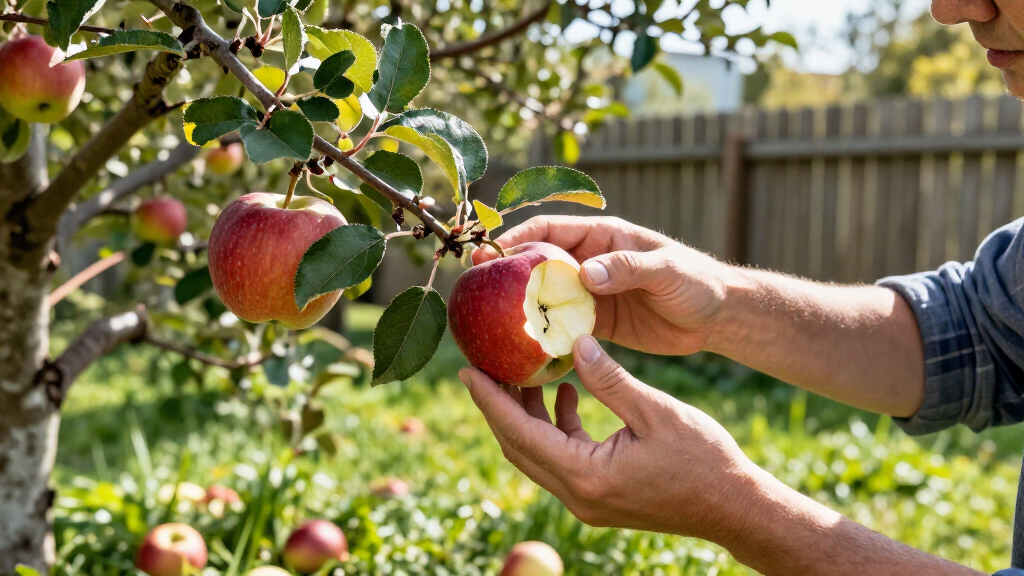
The guide says the word “worm” commonly refers to an insect larva, not an earthworm. Codling moth larvae are cream to pink caterpillars with dark heads and may reach about three-quarters of an inch long. Apple maggot larvae are small, pale and legless. A tunnel toward the core and seeds, sometimes with brown droppings near the entry, points toward codling moth damage; winding brown trails and small dimples are clues associated with apple maggots. These are identification clues, not a guarantee: the guide advises seeking local Extension help when the cause is uncertain.
The insects reach fruit differently. Codling moths lay eggs on leaves or apples, and newly hatched larvae bore into fruit; the caterpillars can spend winter in sheltered cocoons, often beneath loose bark. Apple maggot flies lay eggs beneath the skin, and their larvae feed inside after hatching. Apple maggots usually spend winter as pupae in soil. The differing locations and life stages affect when and where controls may work. The guide also cautions that warm regions may have more codling moth generations during a growing season than cooler areas.
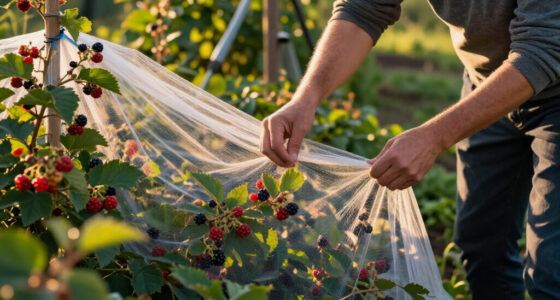
For immediate orchard hygiene, the article recommends removing damaged apples from trees, collecting fallen fruit and not leaving it under the tree or in a cool backyard compost pile, where insects may survive. Thinning fruit clusters to one apple while fruit is small can make individual apples easier to protect. Bagging is another option, but the guide stresses that barriers are not interchangeable: it says paper bags can exclude codling moth, while fruit bags need drainage openings, and it cites UC IPM guidance that nylon bags are ineffective against codling moth. Torn bags should be replaced, and already damaged fruit cannot be saved by covering it.
Matching Controls to Apple Pests
Correct identification affects whether a control can reach the pest. Codling moth protection has to target newly hatching larvae before they enter fruit, while apple maggot barriers and traps address a fly that lays eggs beneath the skin. A general response to any hole or damaged apple may not protect the rest of the crop.
That distinction also matters when choosing sprays or other products. The guide says codling moth pheromone traps can help track male moths and time treatment, but do not reliably protect a backyard crop on their own. Red sticky spheres are used to monitor apple maggot flies. A trunk barrier can target crawling insects, but will not stop moths or flies from reaching fruit. These methods have different purposes and should not be treated as substitutes.
For gardeners, the practical stakes are the condition of the remaining harvest and avoiding unnecessary or mistimed treatment. Checking multiple apples and branches can help establish whether damage is recurring and give a local Extension specialist better evidence than a single hole.
Popular right now

KitchenAid Artisan 5-Qt Tilt-Head Stand Mixer, Cardamom

Dyson V9 Motorbar Cordless Vacuum

Bose QuietComfort Wireless Noise Cancelling Headphones – Petal Pink Limited Edition
As an affiliate, we earn on qualifying purchases.
How the Two Larvae Differ
The Grow Organic article frames its recommendations around inspection, pest identification and timing. It advises examining fruit at the stem, blossom end and points where apples touch, then cutting into suspect fruit to check for tunnels. A spot alone does not establish which pest is present, and damage may remain visible even after a larva has left.
For a more useful identification, the guide suggests photographing the apple’s skin and cut surface, and any larva beside a ruler. Gardeners can also record the date and apple variety and inspect fruit from several branches, including shaded clusters and the outer canopy. It points readers to damage photographs from Colorado State and an apple maggot guide from the University of Minnesota, while advising local Extension consultation for uncertain cases.
Timing varies by place and pest. The guide gives Minnesota’s late June to early July appearance of apple maggot flies as a regional monitoring example, not a national spray calendar. It says local traps, temperature models, weather and pest history offer more relevant timing than a fixed date for codling moth treatment.
“An entry mark can hide a tunnel, so examine several fruits before choosing treatment.”
— Grow Organic guide
What Inspection Cannot Confirm
A hole, dimple or discolored trail may suggest a pest, but the guide does not present any single surface mark as definitive. It notes that birds and other insects can also cause large open wounds, and that other insects may damage apples. A local Extension specialist may be needed to distinguish similar damage.
The supplied source does not give a publication date, location for a specific orchard, measured treatment success or a universal schedule. It also does not establish that one prevention method will work in every garden. The Minnesota fly dates are explicitly a regional example, and the number of pest generations varies with climate. Gardeners should not infer a nationwide spray date from those details.
Steps Before the Next Apple Check
Gardeners following the guide can begin by checking several apples on different branches, cutting open suspicious fruit and recording what they find. Remove affected and fallen apples rather than leaving them beneath the tree, and thin crowded clusters while the fruit is small. If the signs remain uncertain, photographs and notes on the date and variety can support a request for local Extension advice.
For future protection, monitor the pest with an appropriate trap and use bags or other barriers designed for the identified insect. Check closures and replace damaged covers. If considering a pesticide or other product, choose one labeled for both the apple crop and the pest, follow its directions, and use protective equipment as required by the label. The guide says codling moth treatment timing should be guided by local monitoring and temperature models rather than a fixed date; local alerts can help determine the next step.
Key Questions
What kinds of larvae are commonly found in apples?
The guide identifies codling moth caterpillars and apple maggots as common causes. Codling moth larvae are caterpillar-like and may tunnel toward the core; apple maggots are small, pale and legless, and can leave winding trails through the flesh.
Does a hole in an apple prove it has a worm?
No. A hole or spot can offer a clue, but it does not identify the pest by itself. The guide says other insects or birds may cause damage and recommends examining several apples and cutting into suspect fruit.
Can bags keep worms out of apples?
Some barriers can protect healthy fruit, but the material matters. The guide says paper bags can exclude codling moth and warns that nylon bags are ineffective against it, citing UC IPM. Fit barriers before larvae enter fruit, check closures and replace torn bags.
When should apple trees be sprayed?
The source does not give one date for all regions. It says codling moth treatment should target hatching larvae before they enter fruit, with timing guided by local traps and temperature models. Use only products labeled for the crop and pest and follow label directions.
What should I do with damaged or fallen apples?
Remove damaged fruit from the tree and collect fallen apples. The guide cautions against leaving them beneath the tree or in a cool backyard compost pile, where insects may survive.
Source: rss