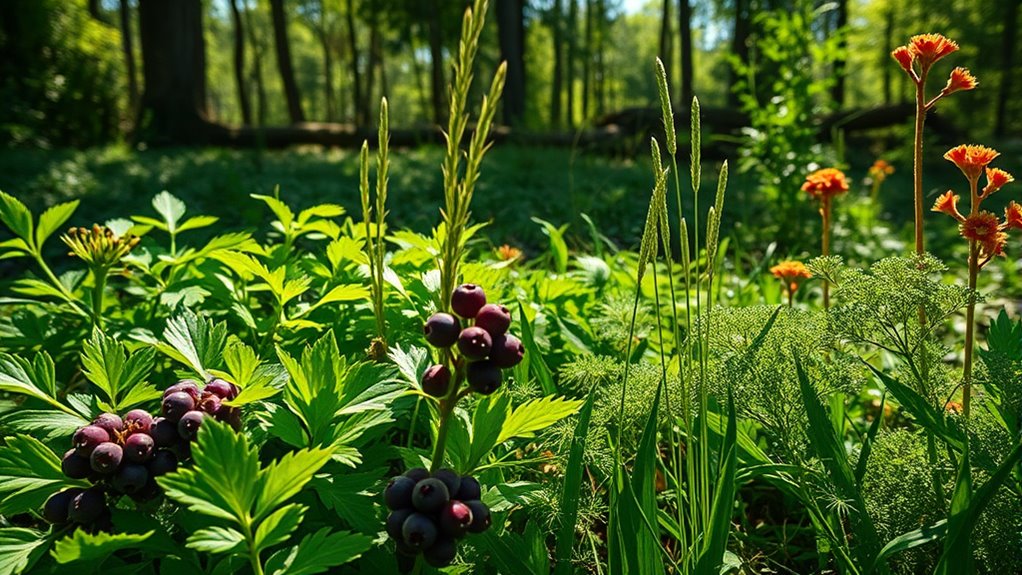

When exploring wild edibles with your pet, always prioritize safe plant identification to prevent accidental poisoning. Use trusted field guides or apps to distinguish between safe plants and toxic look-alikes, and supervise your pet closely to avoid bites of harmful species. Start slow with small amounts and watch for any reactions. If you’re enthusiastic to learn more about which plants are safe and what to steer clear of, you’ll find helpful tips and detailed tips ahead.

Get garden gear delivered free with Prime
- Fast, free delivery on millions of items
- Prime Video, Amazon Music and more included
- Member-only deals all year
Key Takeaways
- Use reputable field guides or apps to accurately identify pet-safe wild edibles and avoid toxic look-alikes.
- Supervise pets closely during foraging to prevent ingestion of potentially harmful plants or fungi.
- Learn to recognize common toxic plants in your area, such as mushrooms, wild onions, and ivy.
- Introduce new wild edibles gradually, monitoring pets for adverse reactions before offering more.
- Prioritize education on local plant hazards to ensure safe foraging and protect your pet’s health.
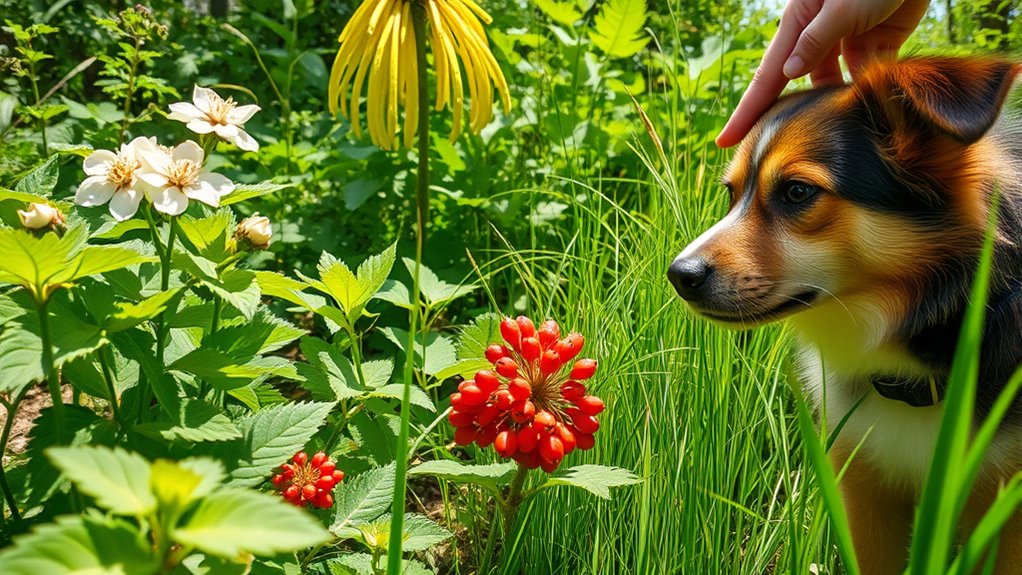
Have you ever wondered which wild edibles are safe for your pets? When you’re out exploring nature, it’s tempting to pick plants that look tempting or familiar, but it’s essential to prioritize foraging safety. Not all plants are safe for animals, and misidentification can lead to serious health issues. That’s why understanding edible plant identification is crucial before offering anything to your pet. Just because a plant is edible for humans doesn’t mean it’s safe for animals, so taking the time to learn what’s safe and what’s not makes a big difference.
Always verify wild edibles before offering them to your pets to ensure safety and avoid health risks.
When it comes to foraging safety, never assume that a plant is harmless just because it’s common or looks similar to a safe edible. Many plants have look-alikes that are toxic to pets, so accurate edible plant identification is key. Invest in a reliable guidebook or use reputable apps designed for plant identification to help you distinguish between safe and dangerous species. Practice your skills in a controlled environment before venturing out, and always double-check before offering anything to your pet. Remember, your goal is to enhance their diet with safe wild edibles, not to risk their health.
While out in the wild, keep a close eye on your pet and supervise them at all times. Pets tend to nibble instinctively, especially when curious, so it’s easy for them to accidentally ingest something harmful. Be aware of common toxic plants like certain mushrooms, wild onions, or ivy, which can be mistaken for safe edibles but pose health risks. If you’re uncertain about a plant, it’s better to err on the side of caution and avoid it altogether. Educate yourself about local plants and their effects on animals; this knowledge helps you make quick, informed decisions during your outdoor adventures. Additionally, understanding edible plant identification and potential hazards can help prevent accidental poisonings, ensuring a safe experience for both you and your pet.
Always remember that even safe-looking plants can sometimes cause allergic reactions or gastrointestinal upset in pets. When introducing a new wild edible, start with small amounts and observe your pet’s response. If there’s any sign of distress or unusual behavior, seek veterinary advice immediately. It’s also wise to keep a list of known safe plants for your area and share this info with everyone who interacts with your pet during outdoor activities.
Frequently Asked Questions
Can Wild Edibles Harm My Pet if Ingested Accidentally?
Yes, wild edibles can harm your pet if they accidentally ingest toxic plants. Some wild plants contain toxins that can cause plant toxicity symptoms, such as vomiting, diarrhea, or even more severe health issues. To protect your pet, keep them away from wild areas with unfamiliar plants, and watch closely during outdoor activities. If you suspect accidental ingestion, contact your veterinarian promptly for advice and treatment.
How Can I Identify Safe Versus Toxic Wild Plants Quickly?
To identify safe versus toxic wild plants quickly, focus on plant identification skills, such as leaf shape, flower color, and growth patterns. Look for toxic plant signs like bitter taste, milky sap, or foul smell. Use a field guide or app to compare features, and always err on the side of caution. If you’re unsure, keep your pet away until you confirm the plant’s safety, preventing accidental poisoning.
Are There Any Seasonal Wild Edibles That Pets Should Avoid?
During seasonal foraging, you should be especially cautious, as some wild edibles become more toxic or less safe for pets. Avoid plants like wild mushrooms, certain berries, or springtime plants like wild parsnip, which can cause skin irritation. Staying aware of plant toxicity helps prevent accidental poisoning. Always research seasonal updates, and remember, when in doubt, keep your pets away from unfamiliar plants to guarantee their safety.
What Symptoms Indicate Pet Poisoning From Wild Plants?
If your pet ingests a toxic wild plant, watch for symptoms like vomiting, diarrhea, drooling, or difficulty breathing. Recognize these signs through plant identification and symptom recognition, which help you act quickly. Lethargy, tremors, or seizures also indicate poisoning. If you notice any of these, contact your vet immediately. Prompt action can save your pet’s life, so stay alert to changes after plant exposure.
Is It Safe to Let My Dog Forage in Nature?
You shouldn’t let your dog forage freely in nature without caution. While it might seem harmless, many wild plants are toxic and can threaten your pet’s safety. A curious dog could ingest something dangerous, leading to poisoning or worse. Always supervise your dog’s outdoor adventures, keep a close eye on what they nibble, and learn about pet-safe wild edibles to protect your furry friend from potential hazards.
Conclusion
Remember, exploring wild edibles is like walking a tightrope—you need to know what’s safe and what’s not. Stick to pet-safe plants, stay alert, and when in doubt, leave it out. Your furry friend’s safety is the treasure at the end of this adventure, so don’t let curiosity lead you astray. With a little knowledge, you can turn outdoor strolls into safe, tasty discoveries, making every outing a walk in the park—literally!
Fall yard work Picks
leaf blowers
As an affiliate, we earn on qualifying purchases.