
When using diesel heaters, proper ventilation is key to safety and efficiency. You should guarantee good airflow to disperse harmful gases like carbon monoxide and prevent moisture buildup that can cause condensation and mold. Keep vents clear, avoid cramped spaces, and consider open windows or exhaust fans to balance humidity. Regularly check your system to prevent blockages and maintain a safe environment. Staying aware of ventilation needs helps you operate your heater more safely and effectively—there’s much more to explore here.

Get garden gear delivered free with Prime
- Fast, free delivery on millions of items
- Prime Video, Amazon Music and more included
- Member-only deals all year
Key Takeaways
- Proper ventilation disperses harmful gases like carbon monoxide and prevents moisture buildup in enclosed spaces.
- Placing heaters away from walls and furniture ensures unobstructed airflow for safety and efficiency.
- Regularly inspect and clean vents and exhaust pipes to prevent blockages and reduce condensation risks.
- Opening windows or using exhaust fans helps regulate humidity and prevent mold growth.
- Installing a carbon monoxide detector and maintaining adequate airflow ensures a safe, moisture-controlled environment.
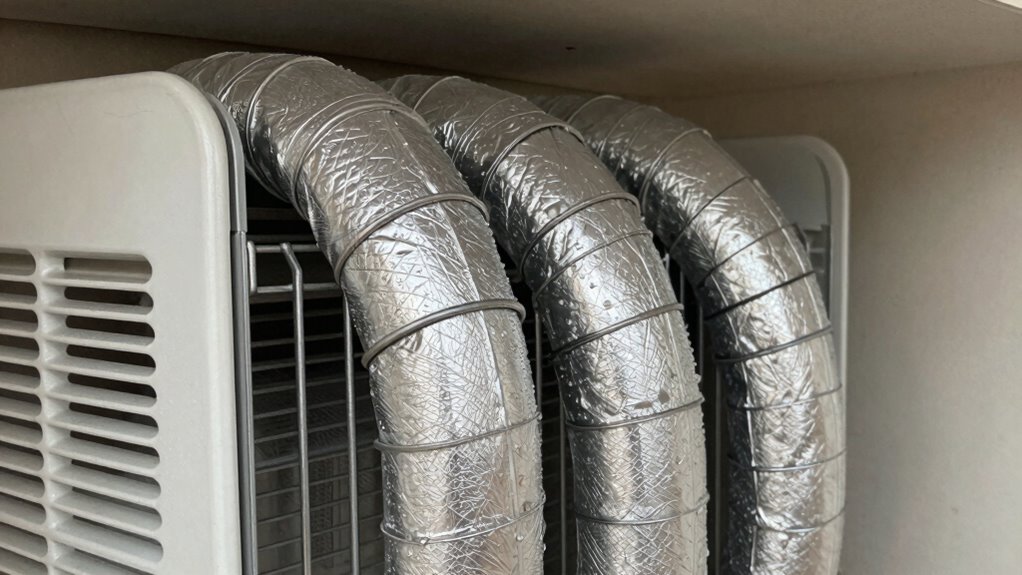
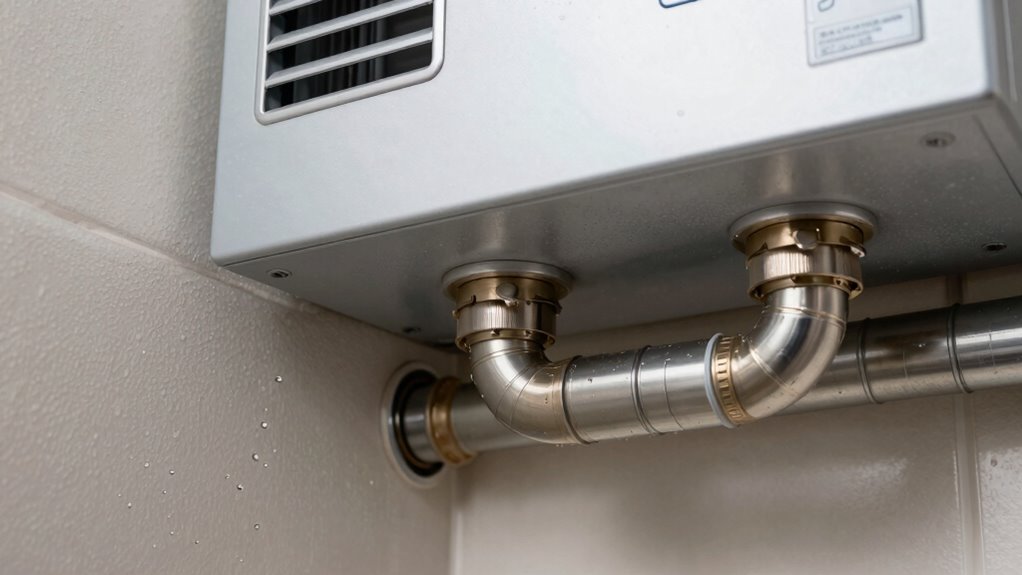
Have you ever wondered how to keep your space warm without risking moisture buildup? When using a diesel heater, proper ventilation is key. Diesel heaters are efficient and effective, but if you neglect ventilation, you could face issues like condensation, mold, or even dangerous carbon monoxide buildup. To maximize fuel efficiency and guarantee safety, understanding how ventilation impacts your heater’s performance is essential. By providing adequate airflow, you help your heater operate more efficiently, reducing fuel consumption and preventing overheating. Proper ventilation also helps disperse any potentially harmful gases, keeping your environment safe. Ensuring proper ventilation practices is crucial for maintaining a safe and comfortable space when using a diesel heater. Safety precautions should be your top priority whenever operating a diesel heater. Always install your heater in a well-ventilated space, making certain there’s an escape route for fumes. Avoid cramped or enclosed areas with poor airflow, as this can lead to dangerous gas accumulation. Regularly check and maintain the vents and exhaust pipes to prevent blockages that could cause dangerous fumes to linger indoors. Keep a carbon monoxide detector nearby, and test it frequently to assure it’s functioning correctly. Never operate the heater while sleeping or unattended in an enclosed space without proper ventilation, as this increases the risk of hazardous buildup. Also, be cautious of the heater’s placement—avoid placing it too close to walls or furniture, which could obstruct airflow and cause heat buildup or fire hazards. Additionally, adequate ventilation is essential for preventing the buildup of moisture and ensuring your space remains comfortable and safe. Proper ventilation design can improve airflow and reduce the likelihood of condensation issues. Proper airflow management is a key factor in maintaining an optimal environment and avoiding moisture problems. Condensation is a common issue with diesel heaters if ventilation isn’t managed properly. When warm, moist air from the heater hits cooler surfaces, it can cause condensation, leading to mold growth and damage to walls or furniture. To prevent this, you should aim for consistent airflow that allows moisture to escape. Using exhaust fans or opening windows slightly can help balance the humidity levels inside your space. You might also consider installing a dehumidifier if condensation persists, especially in areas with high humidity. Maintaining a steady temperature and ensuring that the space is not overly sealed off can considerably reduce the risk of excess moisture. Proper insulation can also help maintain a comfortable temperature, which minimizes condensation and maximizes fuel efficiency. Being aware of ventilation requirements can help you create a safer, more efficient environment for your diesel heater.
As an affiliate, we earn on qualifying purchases.
Frequently Asked Questions
Can Diesel Heaters Be Used Safely Indoors?
You should never use diesel heaters indoors without proper ventilation, as indoor safety is at risk. Diesel heaters produce carbon monoxide, which can be deadly in enclosed spaces. Always follow ventilation guidelines strictly—ensure good airflow and proper exhaust setup. If you’re unsure, consider alternative heating options designed for indoor use. Prioritizing ventilation and safety measures helps prevent dangerous buildup of fumes and keeps you safe inside.
How Often Should Ventilation Be Checked During Heater Use?
You should check ventilation regularly when using your diesel heater, ideally every few hours or at least once daily. Focus on airflow optimization by guaranteeing vents are clear and unobstructed. Regular ventilation maintenance helps prevent dangerous buildup of fumes and condensation. Keep an eye on your heater’s exhaust system, and make adjustments as needed to maintain safe, efficient operation. Consistent checks protect your indoor air quality and ensure safe heater use.
What Are Signs of Condensation Damage in a Diesel Heater System?
Watch out for rust, mold, or a foul smell—these are your heater’s cry for help, warning of condensation damage. If you notice water stains or corrosion, it’s a sign you’re neglecting condensation prevention and heater insulation. Regular checks and proper ventilation help prevent these issues, keeping your diesel heater running smoothly. Don’t ignore the signs, or you might end up with a costly, damp disaster rather than a cozy heater.
Are There Specific Ventilation Requirements for Different Diesel Heater Models?
Yes, different diesel heater models have specific ventilation standards to guarantee safe operation. When planning your heater installation, you should carefully follow the manufacturer’s guidelines, which specify proper ventilation requirements for each model. Proper ventilation prevents harmful fumes buildup and reduces condensation issues. Always check the heater’s manual and local safety codes, ensuring your setup provides adequate airflow and exhaust routes tailored to your specific model for safe and efficient use.
How Does Altitude Affect Diesel Heater Ventilation Needs?
At higher altitudes, you need to ensure altitude adaptation for your diesel heater. Reduced oxygen levels mean you should make ventilation adjustments to improve airflow and combustion efficiency. Proper ventilation ensures safe operation and prevents carbon monoxide buildup. As you ascend, regularly check and modify your ventilation setup, allowing your heater to adapt to the thinner air and maintain safe, efficient performance.
carbon monoxide detector for heaters
As an affiliate, we earn on qualifying purchases.
As an affiliate, we earn on qualifying purchases.
Conclusion
Now that you understand the essentials of ventilation and condensation with diesel heaters, you’re better equipped to safeguard your space. But remember, even the smallest oversight can lead to unexpected issues. Will your next trip or project encounter hidden pitfalls? Stay vigilant, keep your ventilation systems in check, and always be ready to adapt. The secrets to safe, efficient heating might just be closer than you think—if you know what to look for.
As an affiliate, we earn on qualifying purchases.
As an affiliate, we earn on qualifying purchases.
Halloween Picks
halloween
As an affiliate, we earn on qualifying purchases.