Start by carefully observing your mushroom in the field—note its shape, size, color, cap texture, gills or pores, and stem features. Collect samples with paper bags, taking detailed notes and photos from multiple angles. Afterward, cross-reference your findings with reputable guides or consult experts to confirm identification. Remember, no visual cue alone is sufficient; systematic confirmation is essential. If you continue, you’ll discover more tips to ensure safe and accurate foraging every time.

Get garden gear delivered free with Prime
- Fast, free delivery on millions of items
- Prime Video, Amazon Music and more included
- Member-only deals all year
Key Takeaways
- Conduct thorough field observations of mushroom features, including cap, gills, stem, and base, using reliable identification guides.
- Collect samples carefully in paper bags, documenting detailed photographs and notes from multiple angles for later analysis.
- Cross-verify visual features with reputable mycological resources and compare with known edible and toxic species.
- Consult local mycological experts, online forums, or professional groups when uncertain about identification.
- Confirm species identity through systematic comparison before considering consumption, prioritizing safety at every step.

Ever wonder how to accurately identify wild mushrooms? It’s a skill that combines careful observation, research, and a solid understanding of mushroom biology. When you’re out foraging, you need to prioritize foraging safety, which means never rushing your identification process. Mycological research plays a crucial role here, helping you learn the key features that distinguish edible fungi from toxic look-alikes. Before heading into the field, spend time studying mushroom guides and scientific descriptions, so you know what to look for.
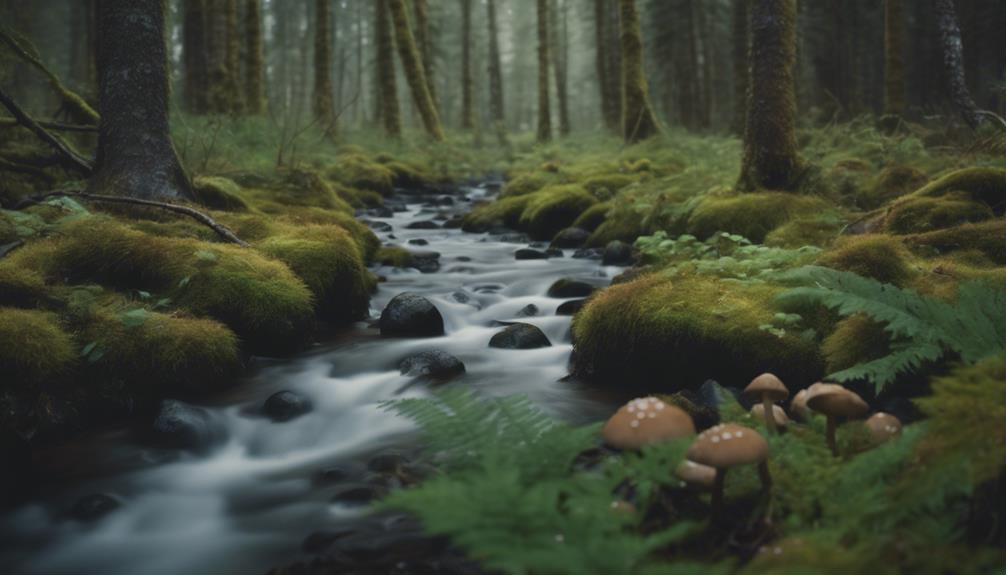
Once you’re in the field, start by observing the mushroom’s overall shape, size, and color. Take note of the cap’s texture, whether it’s smooth, warty, or scaly. Check the gills or pores underneath, observing their color, attachment to the stem, and spacing. Don’t forget to examine the stem carefully—its thickness, color, presence of a ring, or any distinctive markings. Pay attention to features like a bulbous base or a sac-like volva, which are often key identifiers. Using a field guide or mobile app can help you cross-reference these features immediately, but remember, visual cues alone aren’t enough for a positive ID. Incorporating a systematic identification process can greatly improve accuracy and safety in mushroom foraging.
Observe shape, size, color, and gill structure for accurate mushroom ID.
Collect a sample of the mushroom, but handle it with caution. Use a paper bag rather than plastic to avoid moisture buildup, which can promote decay and make identification harder later. Take detailed notes and photographs from multiple angles—top, side, and cross-section—to document the mushroom’s full appearance. This documentation is essential for later analysis and confirmation, especially if you plan to consult experts or mycological research resources. Never consume a mushroom based solely on initial appearance; many edible species have toxic look-alikes.
After your fieldwork, the real work begins: confirming your identification. Cross-check your notes and photos with reputable mycological research sources. If you’re uncertain, reach out to local mycological clubs, online forums, or professional mycologists. Proper identification requires patience and precision, especially since some toxic species closely resemble edible ones. Remember, foraging safety depends on your ability to distinguish these differences confidently. If in doubt, err on the side of caution and avoid harvesting or eating the mushroom. Accurate identification isn’t just about finding edible fungi—it’s about keeping yourself safe while enjoying the rewarding experience of wild mushroom foraging. By following a systematic workflow and leveraging research, you ensure your foraging adventures remain both enjoyable and safe.
Popular right now
Dyson Car+Boat Cordless Handheld Vacuum

KitchenAid Classic Series 4.5 Quart Tilt-Head Stand Mixer K45SS, Onyx Black

Sony WH-1000XM6 Wireless Noise-Canceling Over-Ear Headphones, Blue, Bundle
As an affiliate, we earn on qualifying purchases.
Frequently Asked Questions
How Can I Distinguish Edible From Toxic Wild Mushrooms Accurately?
You can distinguish edible from toxic wild mushrooms by using spore print techniques and habitat analysis. First, take a spore print to observe its color, which helps identify the species. Also, analyze the habitat where you found the mushroom, as certain edible varieties thrive in specific environments. Always cross-reference your findings with reliable guides, and when in doubt, consult an expert before consuming any wild mushroom.
What Tools Are Essential for Mushroom Identification in the Field?
Did you know over 10,000 mushroom species exist worldwide? To identify them accurately, you need essential tools like mycology fieldguides and portable microscopes. Fieldguides help you compare visual traits quickly, while portable microscopes allow detailed examination of spores and tissue. These tools make it easier to distinguish edible from toxic mushrooms safely, ensuring you make informed decisions during your foraging adventures.
Are There Seasonal Variations Affecting Mushroom Appearance?
Yes, seasonal growth and environmental factors critically influence mushroom appearance. You’ll notice different species emerge at various times of the year, shaped by temperature, humidity, and rainfall. These conditions affect size, color, and shape, so it’s essential to observe seasonal patterns when identifying mushrooms. Staying aware of these variations helps you accurately recognize species and avoid confusing similar-looking fungi that appear only during specific seasons.
How Frequently Should I Verify Mushroom Identifications?
You should verify mushroom identifications regularly, especially during mushroom cultivation, to guarantee accurate classification and prevent misidentification. Frequent checks help maintain mushroom preservation and quality, particularly if you notice seasonal variations affecting appearance. By confirming identifications consistently, you avoid potential hazards and ensure your cultivation process stays on track. Make it a habit to verify at least weekly or whenever you encounter any unusual changes or uncertainties in your mushrooms.
Can Amateur Mushroom Hunters Reliably Identify Rare Species?
Identifying rare mushroom species is like solving a complex puzzle—you can try, but mistakes happen. As an amateur, you’re unlikely to accurately identify all rare species without proper training. Always follow foraging ethics and conservation practices, avoiding collection of uncertain finds. Use reliable guides, consult experts, and verify identifications multiple times. This cautious approach helps protect mushroom populations and ensures your foraging remains responsible and sustainable.
Conclusion
By mastering this mushroom ID workflow, you’ll become the superhero of the fungal world, confidently identifying even the trickiest specimens in seconds! No more guessing games or mushroom mishaps—your skills will be so sharp, you’ll outsmart nature itself. With each step, you’re building an unstoppable mushroom-detecting machine, capable of conquering forests and fields with ease. So go ahead, embrace this process, and transform into the ultimate mushroom expert—your future self will thank you!