
TL;DR

Get garden gear delivered free with Prime
- Fast, free delivery on millions of items
- Prime Video, Amazon Music and more included
- Member-only deals all year
A Homes & Gardens gardening report says October is a useful time to remove black-spot-infected rose leaves and debris, which can harbor the fungus through winter. Rosarian Wes Harvell advises collecting foliage when plants are dry, disposing of it in household trash rather than a typical compost heap, and cleaning tools afterward.
A Homes & Gardens report recommends that gardeners remove black-spot-infected rose leaves and garden debris in October, when roses in colder climates may begin entering dormancy, to reduce material that can carry the fungus into the next growing season. Rosarian Wes Harvell of Jackson & Perkins says cleanup should be done while plants are dry, with infected foliage disposed of rather than added to a typical home compost pile.
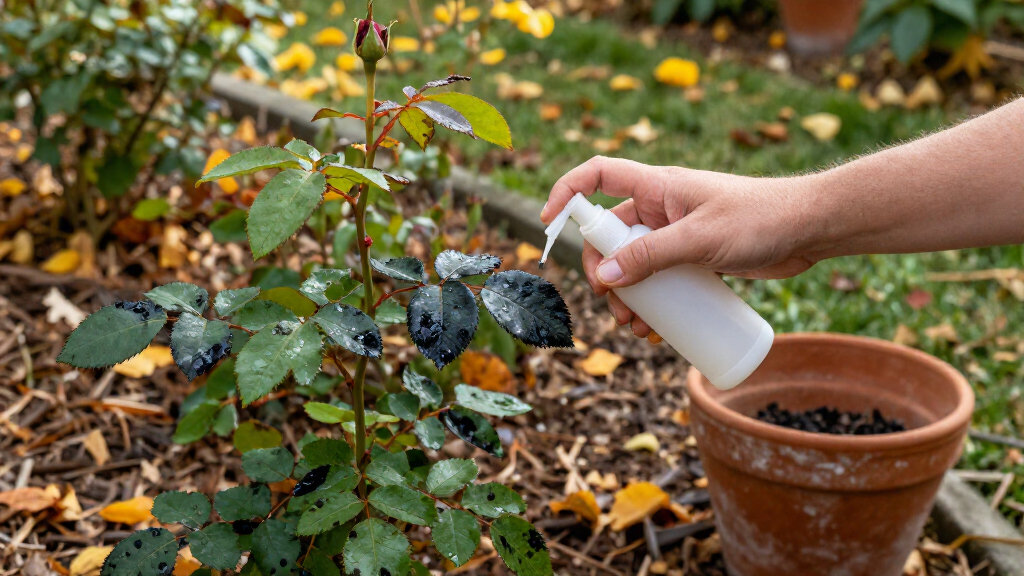
Black spot is a fungal disease caused by Diplocarpon rosae. The report describes its symptoms as purplish or black blotches on leaves, followed by yellowing and leaf drop. According to Harvell, infected foliage and plant debris beneath roses can harbor the fungus over winter; rain or irrigation may then splash spores onto lower leaves. Wind and water can also help spores spread.
Harvell advises removing infected leaves still attached to the plant, then raking up fallen foliage and debris around its base. He cautions against doing the work when the rose is wet, because moisture can help the disease spread. Gardeners should wear protective gloves around thorny plants and wash their hands after handling infected material. Tools used for cleanup should be cleaned and disinfected before being used elsewhere; the report also warns against using a leaf blower near infected leaves.
The report recommends placing infected leaves in household trash and says they should not be left under roses or put in a typical home compost heap. Harvell says spores may survive in fallen foliage, while many home compost piles do not maintain the high, sustained heat—about 140°F (60°C)—needed to destroy them. After clearing debris, gardeners can add fresh mulch to help reduce soil or fungal material splashing onto foliage, the report says.
Reducing Sources of Spring Infection
Removing diseased leaves does not guarantee that roses will be free of black spot next year, but it can reduce one potential source of new infection. That matters because the disease can weaken plants and reduce flowering, according to the report. Clearing debris before winter also addresses foliage that might otherwise remain beneath a rose through the dormant season.
The advice is practical and seasonal: gardeners can identify affected leaves as they clean up the bed, rather than leaving them in place until spring. The report describes October as particularly useful in colder climates, where roses are starting to shed foliage and enter dormancy. Timing will vary with local conditions, so the recommendation is not a fixed date for every garden.
Popular right now

Bose QuietComfort Wireless Noise-Cancelling Over-Ear Headphones, Black

Bose QuietComfort Wireless Bluetooth Headphones with Active Noise Cancellation, Mic, USB‑C Charging, Deep Bass, 24‑Hour Battery – White Smok

Samsung 42-Inch S90H OLED 4K Smart TV Bundle
As an affiliate, we earn on qualifying purchases.
Why Fall Cleanup Is Timely
The report notes that repeat-flowering roses, including Hybrid Tea and Floribunda varieties, may produce another flush of blooms in October. Cooler temperatures and moist conditions can make flowers last longer, but gardeners are also encouraged to inspect foliage closely for black spot. The visible symptoms can include spotted leaves that turn yellow and fall.
Some roses are bred for disease resistance, but the report cautions that resistance does not mean immunity: it says strains of the fungus can adapt over time. Cleanup is presented as one part of rose care, not a replacement for selecting suitable plants or monitoring them through the growing season. The advice centers on removing potential sources of spores from the garden before winter.
“Black spot is caused by the fungus Diplocarpon rosae, which can overwinter on infected leaves and plant debris beneath roses.”
— Wes Harvell, rosarian at Jackson & Perkins, as quoted by Homes & Gardens
Limits of the Cleanup Advice
The report does not quantify how much October cleanup reduces black spot or establish that it will prevent infection next season. Weather, local growing conditions, remaining infected material, and the disease pressure in a particular garden may affect outcomes. The timing also varies by climate: the report specifically describes October as useful when roses in colder regions are beginning dormancy.
Disposal rules can differ by municipality. The report advises checking local guidance for large quantities of foliage and says any burning must comply with local fire codes, burn bans, and neighborhood permissions. It does not provide a universal disposal method beyond recommending household trash for infected leaves.
Steps for the October Rose Bed
Gardeners following the report’s guidance can inspect roses for spotted or yellowing leaves, wait until plants are dry, and remove affected foliage and fallen debris. They should bag infected material for household trash, clean tools after use, and wash their hands. A fresh mulch layer may help limit splash from soil or debris, but it does not remove the need to monitor plants.
For large amounts of leaves, gardeners should check their municipality’s waste or yard-waste instructions before disposal. Burning should be considered only where permitted and under applicable local rules. Roses can then be checked again as conditions change in the coming season; the report does not identify a later milestone or promise that fall cleanup alone will control the disease.
Key Questions
Why remove black-spot-infected rose leaves in October?
According to rosarian Wes Harvell, infected leaves and debris can harbor the fungus through winter and contribute to new infections. Removing them in fall reduces one potential source of spores.
Can I put infected rose leaves in my compost pile?
The report advises against using a typical home compost heap because it may not sustain the heat needed to destroy the fungal spores. It recommends putting infected leaves in household trash instead.
Should I clean up rose leaves when the plants are wet?
No. Harvell advises doing the work when plants are dry, because moisture can help black spot spread. Wear protective gloves and clean tools after the job.
Does October cleanup guarantee roses will be free of black spot next year?
No. The report says removing foliage can reduce one source of reinfection; it does not claim the practice will prevent all future disease. Results may depend on climate, weather, and conditions in the garden.
Source: homesandgardens.com