TL;DR

Get garden gear delivered free with Prime
- Fast, free delivery on millions of items
- Prime Video, Amazon Music and more included
- Member-only deals all year
Amateur Gardening has published five practical measures gardeners can try to reduce slug and snail damage to vegetables as wetter weather returns. The advice includes watering in the morning, encouraging wildlife, placing barriers around plants, checking pots and applying nematodes according to product instructions. The report does not guarantee results; effectiveness can vary.
Amateur Gardening has published five ways gardeners can try to limit slug and snail damage to vegetable crops as wetter weather returns. The advice ranges from morning watering and checking containers to encouraging wildlife and using nematodes, but the report cautions that gardening methods may require trial and error.
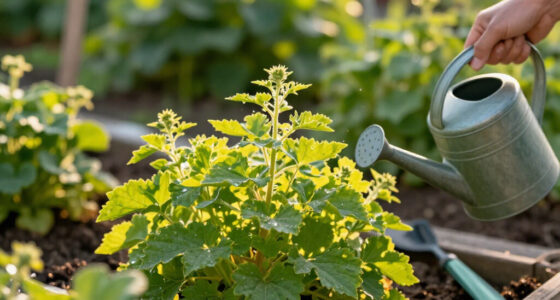
The report recommends watering in the morning rather than at night. Its reasoning is that daylight gives the soil time to dry, while slugs and snails are more active in damp, dark conditions. Morning watering may also help reduce fungal disease risk, the article says, although it does not provide measurements or research findings for either effect.
A second suggestion is to create garden habitats, including log piles, ponds and rockeries, that can attract wildlife. The article says hedgehogs occasionally eat slugs and snails, while birds may also feed on them. It advises leaving some garden debris, such as a leaf pile, in a spot away from vegetable beds to give wildlife shelter.
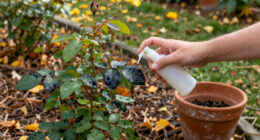
For physical barriers, lawn care specialist Chrissie Handley recommends dry, coarsely crushed eggshells around vulnerable plants. The report also suggests untreated woodchips and coffee grounds, while noting that grounds may need replacing after heavy rain. Container plants expert Martine Davis advises regularly lifting pots and checking underneath them and around dense foliage, where slugs and snails can hide. The fifth measure is applying nematodes mixed with water during the growing season, following the product label.
Practical Steps to Protect Crops
Slug damage can leave home gardeners with fewer vegetables to harvest, and damp conditions can create favourable hiding and feeding spots. The recommendations offer several approaches that do not depend on a single product: gardeners can adjust watering, inspect likely hiding places and make habitat changes alongside other controls.
The article presents these measures as ways to reduce risk, not guarantee a pest-free patch. Some suggestions need upkeep: coffee grounds may wash away in rain, containers require regular checks, and nematodes must be used according to their instructions. Combining methods may be more practical than relying on one barrier, but results will depend on local conditions and garden layout.
Popular right now

Samsung 42-Inch S90H OLED 4K Smart TV Bundle

Dyson Car+Boat Cordless Handheld Vacuum

KitchenAid Classic Series 4.5 Quart Tilt-Head Stand Mixer K45SS, Onyx Black
As an affiliate, we earn on qualifying purchases.
Why Wet Weather Brings Concern
The report, written by Becky Bowden, frames its advice around the possibility of wetter weather following a dry spell. It says the return of rain can bring slugs and snails back into gardens, raising the risk of damage to vegetables. The article does not identify a particular weather forecast or provide regional pest counts, so the seasonal warning is general rather than a quantified alert.
Its five measures cover different parts of garden care: watering timing, wildlife habitat, surfaces around plants, inspection of containers, and biological control through nematodes. The source names Phasmarhabditis californica and Phasmarhabditis hermaphrodita as the microscopic worms used for this approach and advises applying them with water using a watering can fitted with a coarse rose.
““Crushed eggshells work well in deterring slugs and snails from eating your plants.””
— Chrissie Handley, lawn care specialist, quoted by Amateur Gardening
How Well Each Method Works
The report does not provide comparative trials, success rates or evidence that any one method will reliably prevent crop damage. It describes eggshells and woodchips as barriers and coffee grounds as a possible slight deterrent, rather than proven guarantees. It also acknowledges that results can vary and that gardeners may need to test different approaches.
It is not clear how much protection the wildlife measures provide in a particular garden, or how often nematodes need to be applied across different products and conditions. The article directs readers to follow the packet instructions but does not name a product, specify a dose or offer a universal schedule.
Garden Checks as Rain Returns
As wet conditions develop, gardeners can begin with steps that fit their plots: water early where practical, inspect beneath containers and dense foliage, and keep an eye on vulnerable young plants. Those choosing nematodes should check the product label for application timing and method, rather than assume instructions are identical across products.
The report sets out no formal follow-up, forecast or deadline. Its practical next step is ongoing observation: check whether damage continues, replenish or adjust barriers after rain, and keep the approaches that appear to work in the garden. The source stresses that trial and error remains part of pest management.
Key Questions
What are the five ways suggested to limit slug damage?
The report recommends watering in the morning, encouraging wildlife with suitable habitats, trying abrasive surfaces around plants, checking planters and hiding places, and applying nematodes according to their packaging.
Do eggshells reliably stop slugs?
The article quotes lawn care specialist Chrissie Handley recommending dry, coarsely crushed eggshell shards around plant bases. It provides no trial data or guarantee, so gardeners should treat the method as a possible barrier rather than a certain fix.
Why check underneath pots and trays?
Dark, damp spaces beneath containers and around thick foliage can provide hiding places for slugs and snails, according to container plants expert Martine Davis. Lifting pots and checking these areas may help gardeners spot pests before they damage more plants.
How should gardeners apply nematodes?
The report says to mix nematodes with water and apply them during the growing season, but it does not give a universal dose or schedule. Follow the instructions on the specific product, including its application method.
Source: amateurgardening.com