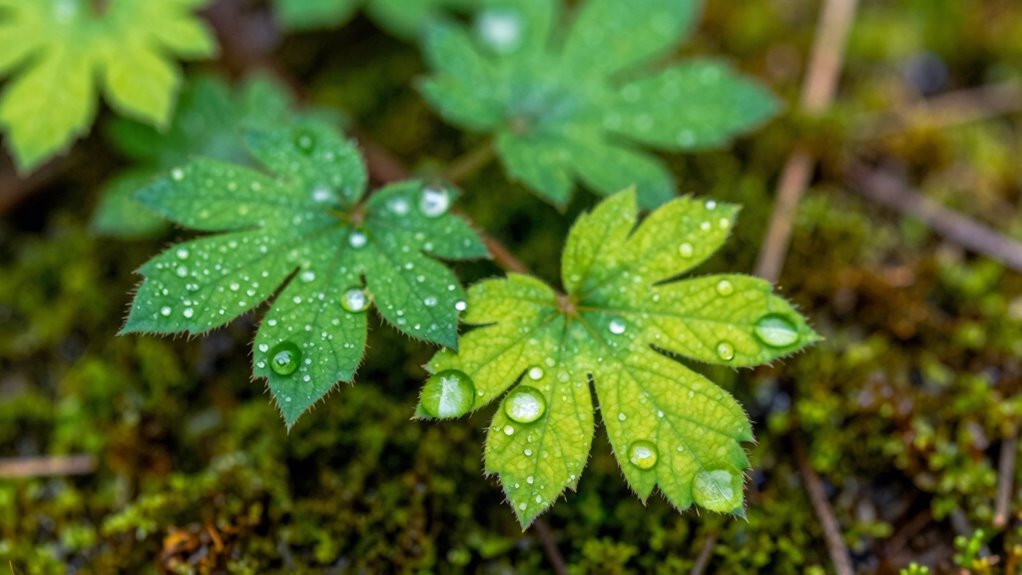

The key to making plant IDs 10 times easier is capturing a well-lit macro shot that highlights intricate details and true colors. Use diffused, natural or golden-hour light to avoid harsh shadows and glare, and employ a sturdy tripod for sharpness. Consider a macro lens or extension tubes for close focus, and use reflectors or softboxes for even illumination. Mastering these techniques ensures you reveal essential plant features clearly—continue exploring for expert tips that can transform your macro photos.

Get garden gear delivered free — and shop member deals
- Fast, free delivery on millions of items
- Access to Prime Big Deal Days deals on October 6–7
- Prime Video, Amazon Music and more included
Key Takeaways
- Use diffused, soft lighting to reveal fine plant details without harsh shadows or glare.
- Employ a macro lens with high magnification for sharp, close-up imagery of key features.
- Stabilize your camera with a tripod and focusing rails for precise focus on specific plant parts.
- Incorporate reflectors or ring lights to evenly illuminate delicate structures and enhance color accuracy.
- Capture images during golden hour for warm, rich lighting that highlights subtle color variations and textures.

Have you ever marveled at the intricate details of a plant that often go unnoticed? When you zoom in closely, you reveal a world full of textures, patterns, and tiny features that can completely transform your understanding of plant species. This is the magic of macro plant photography. To truly capture these details, you need to master the right lighting techniques and equipment selection. These elements play a crucial role in bringing out the fine structures, vibrant colors, and subtle nuances that make each plant unique.
Starting with lighting techniques, natural light is often the best choice for macro plant photography because it provides soft, even illumination that enhances fine details without harsh shadows. Early mornings or late afternoons offer golden-hour lighting, which adds warmth and richness to your images. If you’re shooting indoors or in less ideal conditions, consider using diffused light sources like a ring light or softbox. These tools help eliminate glare and shadows that can obscure minute features of the plant. Reflectors can also be handy for bouncing light into shadowed areas, ensuring every detail is visible. The goal is to achieve a balanced, well-lit shot that highlights the plant’s textures without overexposing delicate parts such as petals or leaf veins.
Additionally, understanding color fidelity is essential for accurately representing the plant’s true hues and subtle color variations. When it comes to equipment selection, investing in the right gear makes all the difference. A macro lens with a high magnification ratio allows you to focus closely on tiny parts, revealing intricate details like trichomes, stomata, or pollen grains. Many photographers opt for dedicated macro lenses, but extension tubes or close-up filters can also work if you’re just starting out. A sturdy tripod is essential to keep the camera steady, preventing blurriness caused by slight movements, especially when working with narrow depths of field. Additionally, using a focusing rail can help you make precise adjustments to focus on specific parts of the plant. Lighting accessories like LED ring lights or portable flashes give you control over illumination, allowing you to experiment with different effects to best showcase the plant’s features.
macro lens for plant photography
As an affiliate, we earn on qualifying purchases.
As an affiliate, we earn on qualifying purchases.
Frequently Asked Questions
What Camera Settings Are Best for Macro Plant Photography?
To capture clear macro plant photos, set your aperture to a small f-number like f/2.8 or f/4 to create a shallow depth of field, which isolates your subject. Use manual focus for precision and a tripod to stabilize your shot. Adjust ISO for proper exposure, but keep it low to avoid noise. These settings help highlight intricate details and make identification easier.
How Do I Stabilize My Camera for Close-Up Shots?
You probably think holding your camera steady is enough, but irony hits—tripod stability is your best friend for macro shots. Use a sturdy tripod, ensuring it’s secure on stable ground. If you’re hand-holding, practice steady handheld techniques: keep elbows close, breathe steadily, and support your camera against your body. This combo minimizes shake, making your close-up shots sharp and detailed, no matter how tiny the subject.
Can I Use Smartphone Cameras for Macro Plant Photography?
Yes, you can use smartphone cameras for macro plant photography. To get detailed shots of plant species, choose a smartphone with a good macro lens or attach an external one. Focus carefully and stabilize your device to avoid blurriness. Use proper lighting, and experiment with different macro lens selections to capture intricate details. With patience, your smartphone can produce stunning close-up images that reveal the beauty of various plant species.
What Lighting Conditions Improve Macro Plant Images?
You should shoot in soft, diffused lighting to improve macro plant images. Overcast days provide even lighting, reducing harsh shadows and highlighting details clearly. Avoid direct sunlight, which causes glare and uneven shadow control. Early mornings or late afternoons offer warm, gentle light that enhances colors. Proper lighting quality guarantees your macro shots are sharp, with balanced exposure and minimal shadow interference, making plant details stand out vividly.
How Do I Prevent Plant Movement From Blurring Photos?
Imagine you’re in a bygone era, capturing moments like a true pioneer. To prevent plant movement from blurring your photos, increase your shutter speed to freeze motion. Use a tripod to steady your camera and avoid hand-shake. If needed, add extra lighting to keep ISO low and shutter speed high. These steps guarantee crisp, detailed macro images, making plant identification a breeze without motion blur.
ring light for macro photography
As an affiliate, we earn on qualifying purchases.
As an affiliate, we earn on qualifying purchases.
Conclusion
Mastering macro plant photography transforms your ability to identify plants instantly—it’s like having a botanical encyclopedia in your pocket. That perfect shot isn’t just a photo; it’s a game-changer that makes IDs ten times easier and more fun. Keep practicing, stay curious, and soon you’ll be revealing plant secrets hidden to the naked eye. With each click, you’re unveiling nature’s tiniest mysteries—trust me, you’ll feel like a botanical superhero in no time!
As an affiliate, we earn on qualifying purchases.
As an affiliate, we earn on qualifying purchases.
Fall Picks
fall essentials
As an affiliate, we earn on qualifying purchases.