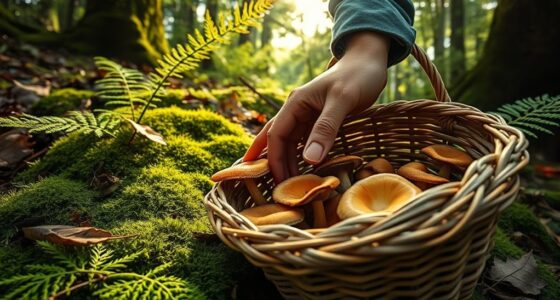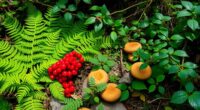
After storms, you can find windfall fruits and wild edibles that are easier to harvest, but safety comes first. Check fallen branches, fruits, and plants for signs of rot, mold, or insect damage before collecting. Be cautious of broken limbs or unstable trees, and avoid areas with downed power lines or chemical runoff. Wear protective gear and only gather in stable, uncontaminated spots. Stay vigilant about hazards—if you’re cautious and observant, you’ll uncover valuable resources while staying safe.

Get garden gear delivered free with Prime
- Fast, free delivery on millions of items
- Prime Video, Amazon Music and more included
- Member-only deals all year
Key Takeaways
- Identify freshly fallen or exposed edible plants, fruits, and greens resulting from storm damage.
- Always inspect for mold, rot, or insect infestation before collecting storm-windfall items.
- Wear protective gear and avoid collecting near unstable trees, hanging limbs, or downed power lines.
- Focus on safe, uncontaminated areas away from roads or pollution sources for foraging.
- Assess environmental hazards and storm-related dangers before gathering wild foods post-storm.

After a storm passes, nature often reveals new opportunities for foraging. You might find an abundance of wild edible plants that have been uncovered or fallen from their trees, making them easier to harvest. Storm damage assessment becomes vital here, as it helps you determine which plants are safe to pick and which might be compromised. Look for signs of damage that indicate fruit or plants could be unsafe, such as mold, rot, or insect infestation. When evaluating storm damage, remember that fallen branches or fruit can be a treasure trove of foraging potential, but only if they’re intact and healthy. Avoid any plants or fruits that look crushed, moldy, or overly damaged, as they could pose health risks.
After a storm, assess plant safety by checking for mold, rot, or damage before foraging.
You should approach foraging after storms with caution. Wind and rain can cause branches to fall unexpectedly, so it’s wise to wear sturdy gloves and boots to protect yourself from sharp debris or hidden hazards. When collecting wild edible plants, inspect each piece carefully. Fallen fruit, for example, is often the easiest to gather, but ensure that it’s free from bruises or rot, which can lead to spoilage or bacteria growth. Similarly, wild greens like dandelions, nettles, or wild herbs can be abundant after a storm, but always double-check that the plants haven’t been contaminated by mud or chemicals from storm runoff. It’s best to gather only what you need and avoid taking overly abundant quantities from one area to prevent overharvesting and preserve the ecosystem.
Storm damage assessment extends beyond just the plants you plan to pick. Keep an eye on the environment around you. Fallen branches or trees could pose hazards, so be cautious of unstable trees or hanging limbs that might fall. Check your surroundings for downed power lines or other dangers, especially if the storm was severe. When foraging for wild edible plants after a storm, it’s also a good idea to focus on areas away from roads or contaminated zones to avoid pollutants or chemicals that may have been washed into the soil or water sources. Remember, safety always comes first—if an area looks unsafe or unstable, it’s better to move on. Additionally, understanding regulatory compliance and selecting reputable sources can help ensure your foraging remains legal and safe.
In the end, storm-foraged bounty can be a rewarding addition to your wild food collection, but it requires careful storm damage assessment and cautious foraging practices. By paying close attention to the condition of the plants and your environment, you ensure that your foraging remains safe and sustainable. The aftermath of a storm can be a window of opportunity, offering fresh, wild edible plants that may not be available at other times of the year—just make sure to approach it with respect and vigilance.
Frequently Asked Questions
Are Storm-Damaged Plants Safe to Eat?
Storm-damaged plants aren’t automatically safe to eat because wildlife interactions might have introduced bacteria or other contaminants. You should carefully examine post-storm plant recovery, avoiding any with visible mold, rot, or insect damage. Wash them thoroughly and cook if possible. Always prioritize safety, especially after storms, since compromised plants could harbor harmful pathogens. When in doubt, consult local foraging guides or experts to ensure you’re harvesting safe, healthy food.
How Do I Identify Edible vs. Toxic Storm Debris?
You should carefully examine storm debris by using plant identification guides or apps to distinguish edible plants from toxic ones. Look for toxic plant signs such as unusual colors, bitter tastes, or foul odors. Avoid consuming anything you’re unsure about, especially if it shows signs of damage or mold. When in doubt, consult a local expert or foraging group to ensure safety and prevent poisoning.
What Tools Are Best for Foraging After Storms?
You should use sturdy harvesting equipment like pruning shears or a small handsaw to collect windfall safely. Carry foraging safety gear such as gloves, a long-sleeved shirt, and eye protection to avoid injury from broken branches or sharp debris. A breathable basket or reusable bag helps transport your finds. Always prioritize safety, stay vigilant for unstable trees or branches, and avoid contaminated or questionable debris to make certain a safe foraging experience.
When Is the Safest Time to Forage Post-Storm?
Did you know that most damage from storms becomes evident within 24 to 48 hours? The safest time to forage is after evaluating storm damage for hazards like downed power lines or unstable trees. Use post storm foraging tips to check weather reports first, then wait at least a day or two. This way, you avoid unstable terrain and guarantee your safety while gathering windfall safely.
How Do Weather Conditions Affect Foraging Safety?
Weather conditions greatly impact your foraging safety. Heavy rain can cause soil contamination, increasing the risk of ingesting pollutants from soil or plants. Strong winds may dislodge hazardous wildlife or cause falling branches, creating wildlife hazards. Always check recent weather reports before foraging; avoid areas with recent storms, and be cautious of contaminated soil and potential wildlife threats to stay safe during your foraging trip.
Conclusion
After storms, stay safe and seize the spectacular surplus of windfall wonders. Carefully consider your surroundings, assess any risks, and harvest with humility and heedfulness. Remember, patience and prudence protect your progress and preserve nature’s natural bounty. By balancing boldness with caution, you’ll successfully gather gifts from the gloom, gaining gratitude and growth. So, step softly, survey sensibly, and savor the satisfying success of sustainable, safe foraging after a storm’s sudden surprise.
Halloween Picks
halloween
As an affiliate, we earn on qualifying purchases.