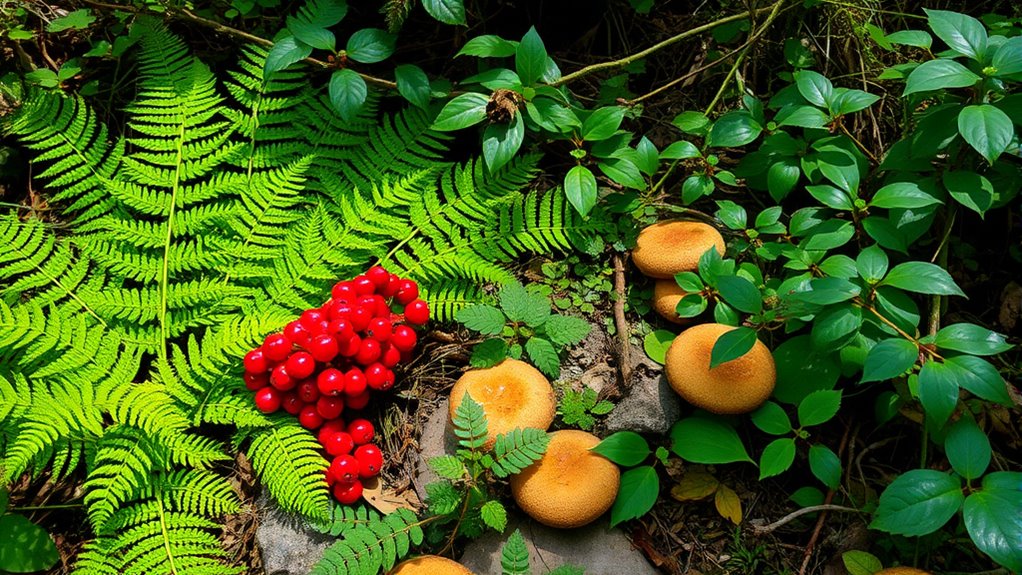
Understanding native versus invasive wild foods is key for sustainable foraging. Native species grow naturally in your area and support local ecosystems, while invasive plants are non-native and may outcompete native plants, disrupting habitats. Properly identifying and responsibly harvesting native foods helps maintain ecological balance. Removing invasive species can aid in habitat restoration when done correctly. If you keep exploring, you’ll discover how to effectively distinguish and responsibly manage these wild foods for the health of your environment.

Get garden gear delivered free with Prime
- Fast, free delivery on millions of items
- Prime Video, Amazon Music and more included
- Member-only deals all year
Key Takeaways
- Native wild foods support local ecosystems, while invasive species can disrupt ecological balance and outcompete native plants.
- Proper identification is essential before harvesting to avoid damaging native populations or spreading invasive species.
- Harvesting native plants promotes biodiversity and ecosystem health; removing invasive species can help restore native habitats.
- Invasive wild foods should be collected responsibly, only when they pose ecological problems, and in accordance with local guidelines.
- Sustainable foraging involves respecting regulations, avoiding overharvesting, and supporting ecological balance by focusing on native species.
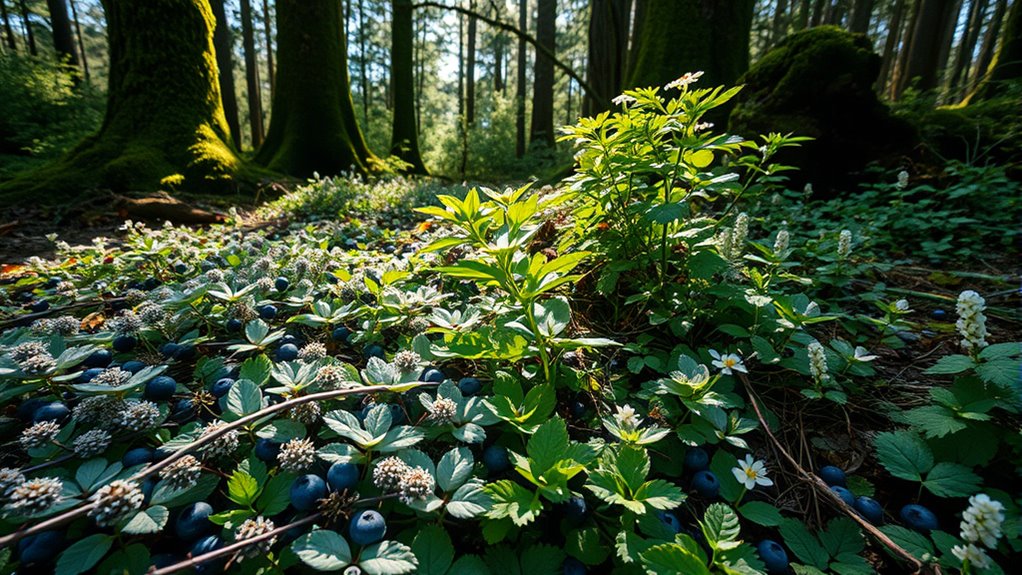
Wild foods offer a diverse range of flavors and nutritional benefits, but understanding the difference between native and invasive species is essential for sustainable harvesting. When foraging, it’s crucial to recognize how each type impacts local ecosystems. Native plants and animals have evolved alongside their environment, supporting a balanced ecological system. Harvesting them responsibly helps maintain biodiversity and prevents disruption of natural processes. Conversely, invasive species are non-native organisms that spread aggressively, often outcompeting native species for resources. Their unchecked growth can considerably alter habitats, leading to declines in native populations and changes in ecological impacts. By understanding these dynamics, you can make informed decisions that protect the environment while enjoying wild foods.
Following proper foraging guidelines is key to ensuring sustainability. Always confirm the identification of wild foods before harvesting, and stick to established foraging guidelines that promote minimal disturbance. For example, avoid overharvesting or taking more than you need, and never collect from protected or sensitive areas. Respect local regulations and landowner permissions, and leave enough for wildlife and future growth. Proper foraging also involves understanding the reproductive cycles of plants and avoiding damage to the root systems, which can weaken or kill the plant. Additionally, being aware of invasive species management can help you contribute to controlling problematic plants in your area. By adhering to these practices, you support ecological health and prevent the unintended spread of invasive species, which may proliferate if disturbed improperly.
It’s equally important to be aware of the ecological impacts of collecting invasive species. While some invasive plants can be used as wild foods, doing so responsibly is essential. Removing invasive plants can actually help restore native habitats, but this should be part of a broader management plan that considers the overall ecosystem. Avoid encouraging the spread of invasive species through careless collection or planting. Instead, focus on sustainable practices that prioritize native species, such as harvesting invasive plants only where they are genuinely problematic and following local guidelines for control and removal.
Frequently Asked Questions
How Can I Identify Invasive Species in My Area?
To identify invasive species in your area, start with invasive species identification guides or apps specific to your region. Look for plants that grow aggressively, outcompeting native plants, and compare them with native plant characteristics. Pay attention to unusual growth patterns, leaf shapes, or colors. If a plant seems out of place or spreads rapidly, it might be invasive. Consult local experts or conservation organizations for accurate native plant comparison and confirmation.
Are All Invasive Wild Foods Harmful to Native Ecosystems?
Not all invasive wild foods are harmful, but many can negatively impact native ecosystems. When foraging, always prioritize safety and proper identification to avoid harm. Some invasive plants might be edible and even delicious in wild food recipes, but you should be cautious and research thoroughly. Understanding which species are invasive helps you make eco-friendly choices and guarantees your foraging safety while enjoying wild foods responsibly.
Can Foraging Invasive Plants Help Control Their Spread?
Foraging invasive plants can support invasive plant management and provide ecological benefits. By harvesting these plants, you help reduce their spread, allowing native species to thrive. Your efforts directly contribute to controlling invasive populations and restoring balance to ecosystems. Plus, you get to enjoy wild foods with a positive impact on the environment. Just be sure you’re harvesting responsibly and following local guidelines to maximize ecological benefits.
What Are the Legal Considerations for Harvesting Wild Foods?
You need to check local regulations before harvesting wild foods, as laws vary. Obtain harvesting permits if required, and always seek landowner permissions to avoid trespassing. Some areas restrict certain species or require specific permits, so researching rules beforehand protects you legally. Failing to follow these guidelines can lead to fines or legal trouble. Always prioritize responsible foraging to enjoy wild foods safely and lawfully.
How Do I Ensure Sustainable Foraging Practices?
Think of sustainable foraging as tending a delicate garden—you must give back as much as you take. To guarantee this, practice sustainable harvesting by only collecting what you need, avoiding overharvesting, and leaving enough for wildlife and future foragers. Stick to ethical foraging by respecting property boundaries, minimizing disturbance, and identifying plants properly. These habits help preserve ecosystems and keep wild foods abundant for generations to come.
Conclusion
Knowing the difference between native and invasive wild foods helps you make mindful choices. By supporting native plants, you preserve local ecosystems, while controlling invasive species prevents ecological harm. Remember, “A little knowledge is a dangerous thing,” so stay informed and responsible. Your actions can protect biodiversity and ensure healthy environments for future generations. Choose wisely, and you’ll help maintain nature’s balance—because sometimes, the smallest steps make the biggest difference.
Halloween Picks
halloween
As an affiliate, we earn on qualifying purchases.