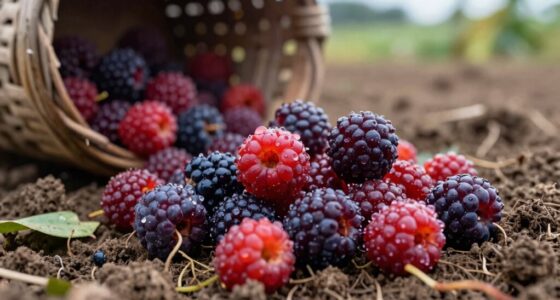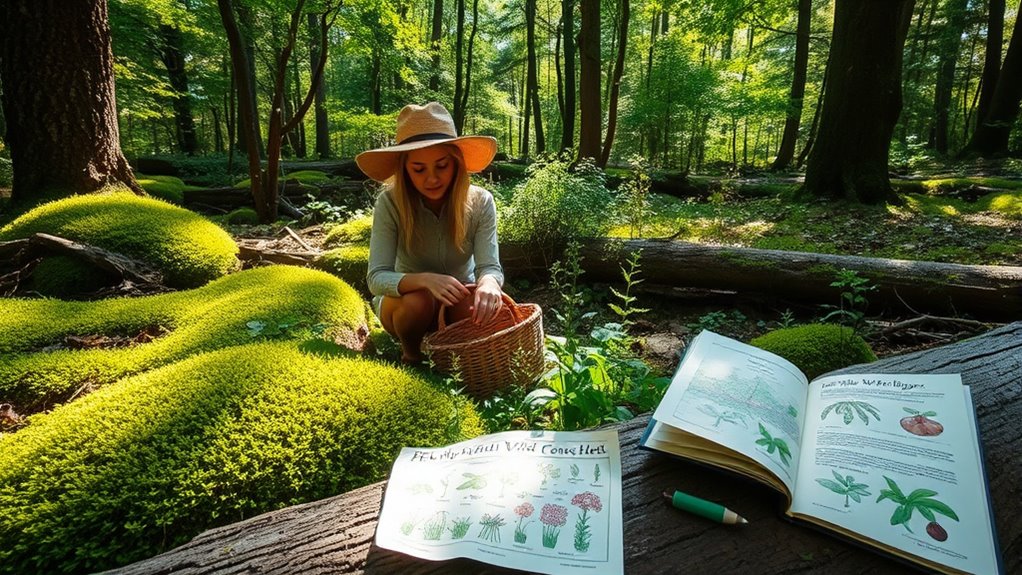

To start foraging safely, begin by learning to accurately identify edible plants and distinguish them from toxic look-alikes using reliable guides or experts. Always verify each plant’s identity before harvesting, and respect local laws by seeking permission and following regulations. Practice sustainable harvesting by taking only what you need and leaving plenty behind. Building confidence and respecting nature guarantees safe, responsible foraging—continue exploring these steps to become a mindful forager.
Key Takeaways
- Learn to accurately identify local edible plants and distinguish them from toxic look-alikes using reliable guides and expert resources.
- Research land ownership, obtain necessary permissions, and adhere to local laws and regulations before foraging.
- Practice sustainable harvesting by taking only what you need and leaving enough for plant health and ecosystem balance.
- Use proper tools, stay within designated foraging zones, and avoid restricted or protected areas to stay legal and safe.
- Build confidence gradually through education, patience, and respecting nature, ensuring a safe and responsible foraging experience.

Foraging can be a rewarding way to connect with nature and discover free, nutritious foods, but it’s essential to do so safely. The first step in safe foraging is mastering plant identification. You need to learn how to distinguish edible plants from their toxic look-alikes. This isn’t just about recognizing a plant’s shape; it’s about understanding its unique features—leaf patterns, flower structures, stem characteristics, and growth habits. Use reliable field guides, join local foraging groups, or take a class to build your skills. Never consume a plant unless you’re 100% confident in your identification. Even seasoned foragers make mistakes, so when in doubt, it’s better to leave a plant untouched than risk poisoning yourself. Remember that some plants can look similar but vary vastly in safety, so take your time to verify each find carefully. Additionally, understanding the color accuracy of your identification tools can improve recognition and reduce errors during foraging.
Legal considerations are equally important and should never be overlooked. Before heading out, research the land where you plan to forage. Foraging on private property requires permission from the owner, and trespassing can lead to fines or other legal issues. Many public lands, parks, and protected areas have regulations that restrict or prohibit foraging altogether. Checking local laws and regulations beforehand helps you avoid legal trouble and ensures you’re respecting the environment. Some areas may have designated foraging zones or specific seasons when collecting certain plants is allowed. Always follow posted signs and guidelines, and avoid overharvesting. Taking only what you need and leaving enough behind helps sustain plant populations and preserves the ecosystem for future foragers.
Combining thorough plant identification with an awareness of legal considerations forms the foundation of safe foraging. It’s tempting to dive right in, especially when you’re excited about discovering wild foods, but patience and preparation are key. Take the time to familiarize yourself with local flora and laws before harvesting anything. Respect property boundaries and protected areas, and always err on the side of caution. This way, you not only protect yourself from legal issues and health risks but also contribute to the conservation of natural resources. As you gain experience, your confidence will grow, and foraging will become a safe, enjoyable practice rooted in respect for nature and the law.

Gift for Women, Mom, Her – 9 Herb Indoor Window Garden Kit | Complete Herb Seeds Starter Set with Pots, Soil, Tools & Markers | Heirloom Herbs | Birthday, Housewarming, New Home, Mother's Day
- Complete 9-Herb Indoor Garden Kit: Includes seeds, pots, soil, tools, and markers
- Beginner-Friendly Gardening: Step-by-step guide for easy planting and care
- Premium Quality Seeds and Soil: Heirloom seeds with high germination rates and coconut coir soil
As an affiliate, we earn on qualifying purchases.
Frequently Asked Questions
What Are Common Foraging Mistakes to Avoid?
You should avoid common foraging mistakes like falling for foraging myths and beginner pitfalls. Don’t assume all edible plants look alike; misidentification can be dangerous. Never consume anything you’re unsure of, and avoid foraging in polluted areas. Rushing or overharvesting can harm plants and ecosystems. Stay informed, use reliable sources, and start slow. By recognizing these mistakes, you’ll forage more safely and confidently.
How Do I Identify Edible Versus Toxic Plants?
You identify edible versus toxic plants through careful plant identification and toxic plant recognition. Start by studying field guides, noting leaf shapes, flowers, and growth patterns. Always double-check your findings with reputable sources or experts before consuming anything. Avoid assumptions based on looks alone, as many toxic plants mimic edible ones. When in doubt, err on the side of caution and leave unknown plants untouched to guarantee your safety while foraging.
Is Foraging Legal in All Public Areas?
You might think foraging is open everywhere, but it’s not. Many public areas require foraging permits, and some land is private, meaning you need permission. Always check local regulations before you start, or you could face fines or legal trouble. To stay safe and legal, research your area’s rules, obtain necessary permits, and respect private land. Ignoring these steps could spoil your foraging adventure before it begins.
What Safety Gear Should I Carry While Foraging?
You should carry essential gear for beginners, like gloves to protect your hands, a good knife for harvesting, and a basket or mesh bag for collecting. Always bring a field guide or app to identify plants, and wear sturdy footwear for safety. Foraging safety tips also include packing water, insect repellent, and a first aid kit. This gear keeps you safe while helping you enjoy a successful, worry-free foraging adventure.
How Can I Tell if a Plant Is Sustainably Harvested?
Imagine a wise old druid guiding you—you’re checking if a plant is sustainably harvested. To do that, look for signs of healthy plant populations and avoid over-harvesting. Follow plant conservation principles and adhere to local harvesting guidelines. If you see plenty of plants around and harvest only what’s needed, you’re supporting sustainability. Always respect nature’s balance and stay informed about conservation laws to make sure your foraging remains eco-friendly.

PLANTMEW Indoor Herb Garden Starter Kit - Mothers Day Gifts - 4 Non GMO, Heirloom Culinary Herb Seeds, Unique Gardening Gift for Women, Mom, Her, Birthday, Housewarming, Plant Lovers
- Complete Indoor Herb Garden Kit: Includes pots, soil, markers, seeds, tools
- Non-GMO Heirloom Herb Seeds: Cilantro, Basil, Chives, Parsley
- High-Germination, Fresh Seeds: Seeds sourced from latest growing season
As an affiliate, we earn on qualifying purchases.
Conclusion
Now that you know the basics, don’t let fear hold you back. Imagine strolling through a forest, confidently identifying edible plants without worry. Every foraging adventure starts with a cautious step—you won’t become an expert overnight, but with patience and care, you’ll build trust in your skills. Remember, safety comes first. So, take your time, stay curious, and enjoy discovering nature’s hidden treasures safely. Happy foraging!

Indoor Herb Garden Kit, Culinary Herb Starter Kit with Seeds & Tools for Beginners, Kitchen Decor, House Warming Gifts for New Home, for Christmas, Ultimate Birthday Gifts for Women Men Mom Dad
- Complete Indoor Herb Garden Kit: Includes seeds, soil, pots, and tools
- Beginner-Friendly Gardening: Step-by-step guide for easy growing
- High Germination Seeds: Non-GMO, fresh, and flavorful
As an affiliate, we earn on qualifying purchases.

5 Herb Garden Planter Indoor with Wooden Box, Home Kitchen Seed Starter Kit Including Basil, Thyme, Parsley, Rosemary, Mint, Birthday, Mothers Day, House Warming, Gardening Gifts for Women, Mom
- Complete Herb Gardening Kit: Includes seeds, soil, tools, and markers
- Elegant Wooden Storage Box: Provides stable growth and decorative appeal
- Natural Coconut Soil Discs: Promotes healthy growth with water retention
As an affiliate, we earn on qualifying purchases.