To create a personal herbarium legally and ethically, you should research local, national, and international laws on plant collection, obtain any necessary permits, and follow permit conditions. Always verify if collection is permitted in protected areas or specific sites. Practice responsible harvesting by limiting the quantity and avoiding endangered species. Staying informed and compliant guarantees your herbarium supports conservation. Continue exploring to discover more about responsible and legal plant collecting.

Get garden gear delivered free — and shop member deals
- Fast, free delivery on millions of items
- Access to Prime Big Deal Days deals on October 6–7
- Prime Video, Amazon Music and more included
Key Takeaways
- Research local laws and regulations to ensure legal collection of plant specimens.
- Obtain necessary permits and permissions before collecting any plants.
- Collect only from permitted areas and adhere to specified collection limits.
- Avoid protected or endangered species to support conservation efforts.
- Follow ethical practices by minimizing habitat disturbance and documenting specimens responsibly.

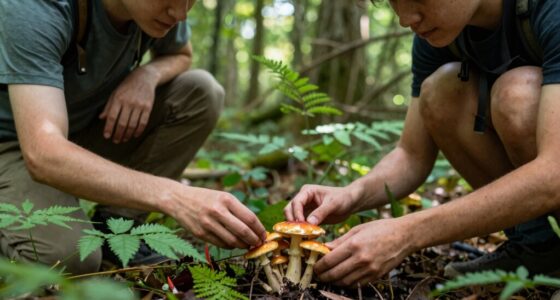
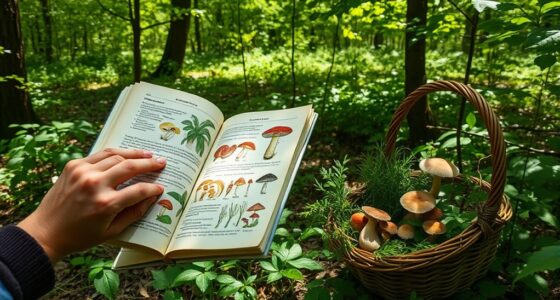
Creating a personal herbarium can be a rewarding hobby, but it’s important to do so legally and ethically. When you start your plant collection, you need to be mindful of the laws that govern the collection and preservation of plant specimens. Many plants are protected by local, national, or international regulations, especially those that are rare, endangered, or threatened. Before you venture into collecting, research the specific species you’re interested in and the rules that apply. In some areas, collecting certain plants may require legal permits to guarantee you’re not contributing to the decline of vulnerable populations or disturbing protected habitats. Securing these permits not only keeps you within the law but also demonstrates your commitment to conservation and responsible collecting.
Understanding the scope of legal permits is essential. In many regions, permits are necessary for collecting plants from public lands, nature reserves, or protected areas. These permits often specify how many specimens you can take, the parts of the plant you’re allowed to collect, and the areas where collection is permitted. Without such permits, you risk legal penalties, fines, or even confiscation of your specimens. To avoid issues, always check with local environmental agencies or forestry departments before collecting. They can provide guidance on whether permits are needed and how to obtain them. Sometimes, applying for permits is straightforward, involving a simple application process, but it’s imperative to follow the rules they lay out to guarantee your collection remains legal. Additionally, being aware of regional regulations can help you stay compliant and avoid unintended violations.
Top picks for "creat personal herbarium"
As an affiliate, we earn on qualifying purchases.
Frequently Asked Questions
Can I Sell Herbs From My Personal Herbarium?
Yes, you can sell herbs from your personal herbarium, but you need to guarantee proper herb labeling and marketing practices. Clearly identify each herb, including its common and scientific names, to comply with regulations. Avoid making unverified health claims in your marketing, and follow local laws regarding the sale of herbs. Proper labeling and honest marketing help build trust with buyers and keep your herb sales legal and ethical.
How Do I Handle Protected or Endangered Plant Species?
Imagine gently holding a fragile, rare blossom—your hands must respect its vulnerability. When handling protected or endangered plant species, prioritize plant conservation by following laws on legal collection. Avoid taking specimens from protected areas without permission, and consider working with botanical authorities. Respecting these rules guarantees you contribute to preserving biodiversity, safeguarding these treasures for future generations, and maintaining the delicate balance of our natural world.
Are There Specific Permits Required for Collecting Wild Herbs?
Yes, you need collection permits for gathering wild herbs, especially in protected areas. Check local wild plant regulations, as they vary by region. Usually, permits are required to guarantee sustainable collection and protect endangered species. Contact your local environmental agency or forestry department to find out the specific requirements. Always follow the rules to avoid legal issues and help conserve native plant populations.
What Are the Best Methods to Ensure Sustainable Harvesting?
As you walk through a forest, you might notice how your actions influence the environment. To guarantee sustainable harvesting and ethical collection, always take only what you need, leave enough for wildlife, and avoid damaging the plant’s roots. Rotate harvesting areas and gather herbs during sustainable seasons. Respect local regulations, and consider cultivating herbs instead of wild collection. This way, you protect ecosystems while enriching your herbarium.
How Can I Document the Origin of Each Herb Legally?
To document the origin of each herb, you should keep detailed records of plant origin documentation, including where, when, and how you obtained each specimen. Always source your herbs through legal herb sourcing channels, such as licensed suppliers or wildcrafting with proper permits. Label each herb with its collection details, and store this information securely. This approach guarantees your herbarium remains compliant with legal standards and supports ethical practices.
Conclusion
By respecting legal boundaries and ethical practices, you turn collecting into a true act of stewardship—your personal herbarium becomes more than just a collection; it’s a legacy. Think of it as planting seeds of conservation, where each specimen tells a story of respect and responsibility. So, as you build your herbarium, remember: your passion can bloom into a force for good, ensuring these natural treasures flourish for generations to come.
Fall yard work Picks
leaf blowers
As an affiliate, we earn on qualifying purchases.