
TL;DR

Get garden gear delivered free with Prime
- Fast, free delivery on millions of items
- Prime Video, Amazon Music and more included
- Member-only deals all year
Dahlia tubers generally need to be dug up and stored over winter in USDA hardiness zones 7 and lower, where frozen ground can damage them. In zones 8 through 10, many gardeners leave them in place if the soil drains well and the plants receive a thick mulch layer.
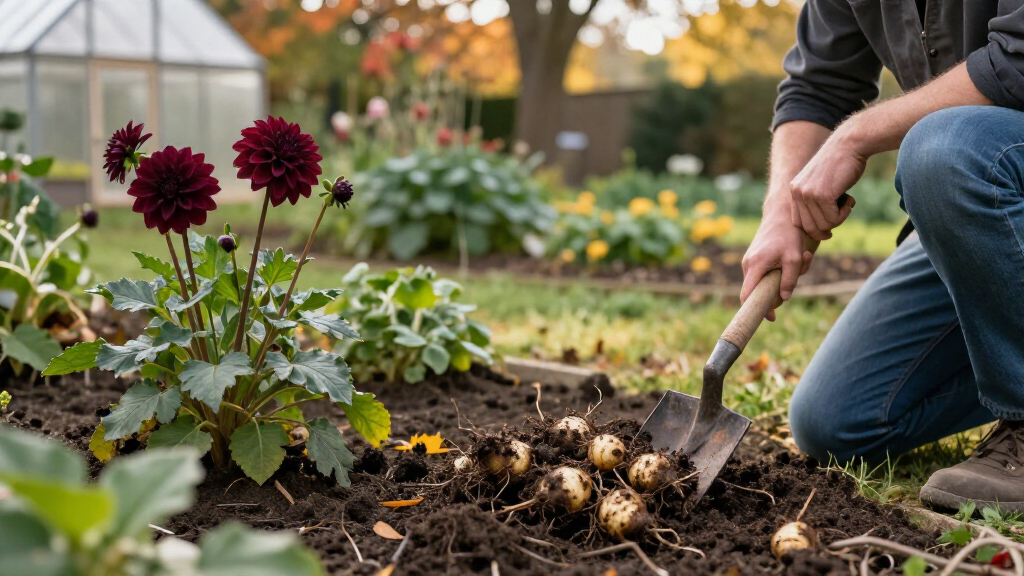
Whether to dig up dahlias this fall depends largely on where they grow: a Country Living gardening report says gardeners in USDA hardiness zones 7 and lower generally should lift and store the tubers, while those in zones 8 through 10 may be able to leave them in the ground. The distinction matters because frozen or overly wet soil can damage tubers, and the right choice can determine whether the plants return next season.
In colder regions, dahlias are not considered winter-hardy where the ground freezes. The report explains that low soil temperatures can cause tubers to split, while excessively wet conditions can lead to rot. In milder zones, some gardeners leave tubers in place, provided the soil drains well and a thick layer of mulch protects them. Gardeners uncertain about local conditions can ask their cooperative extension office for area-specific advice.
For gardeners who need to lift tubers, the suggested timing is after one or two light frosts, when foliage has turned brown or yellow and the plant is beginning to go dormant. The tubers should be dug before the ground freezes. After frost blackens the foliage, cut stems to about four to six inches above the soil. Use a garden fork or spade to loosen soil around the clump carefully, starting about a foot from the stem, to reduce the chance of piercing the tubers.
After lifting, let the tubers cure in a warm, well-ventilated place for several days to a week, away from direct sun and concrete. The report recommends storing them in containers such as cardboard boxes or wooden crates, packed in slightly damp peat moss, vermiculite or wood shavings. Keep them in a cool, dark, frost-free place at about 40 to 55°F, check them during winter, and remove any tubers that begin to rot.
Winter Risk Depends on Local Conditions
The decision affects whether dahlias are likely to survive winter and how much work gardeners need to do before the ground freezes. Leaving tubers in frozen soil risks damage; lifting them adds seasonal labor and requires suitable indoor storage. In warmer locations, keeping tubers in the ground may avoid that work, but the guidance is conditional: good drainage and mulch matter, and local conditions can differ even within the same hardiness zone.
Getting the timing right is part of that trade-off. Waiting until foliage dies back allows the plant to enter dormancy, according to the report, but waiting too long can expose the tubers to frozen ground. Gardeners therefore need to consider both the forecast and their own soil rather than treating a zone number as a guarantee.
As an affiliate, we earn on qualifying purchases.
Frost Timing and Storage Basics
Dahlias originated in Mexico and Central America, and the report says they are not winter-hardy in places where the ground freezes. USDA hardiness zones offer a broad way to compare regional winter conditions, but the source advises gardeners who are unsure whether their tubers can remain outdoors to seek guidance from a local cooperative extension.
For stored tubers, the report advises labeling varieties and checking them periodically. If tubers begin to shrivel, a light mist can add moisture; any that rot should be removed to protect the rest. In spring, gardeners can replant after the danger of frost has passed. Tubers may also be divided then, provided each section has an eye, or growth point. The report says lifting and dividing every few years can help prevent overcrowding and encourage better blooms.
dahlia tubers curing and storing kit
As an affiliate, we earn on qualifying purchases.
As an affiliate, we earn on qualifying purchases.
Local Soil Can Change the Answer
The guidance gives broad zone ranges, not a guarantee for every garden. It does not specify a universal mulch depth or account for each garden’s drainage, exposure, or local frost timing. Those factors can affect whether tubers left outdoors survive. The source recommends asking a cooperative extension for local guidance where the answer is uncertain.
The report also does not promise that every stored tuber will make it through winter. Storage conditions and the tubers’ condition can vary, which is why it advises periodic checks and removal of rotting material.
garden mulch for dahlia protection
As an affiliate, we earn on qualifying purchases.
As an affiliate, we earn on qualifying purchases.
Check Frost Forecasts Before Lifting
As fall progresses, gardeners can watch for light frost and signs that dahlia foliage is turning brown or yellow. Those in colder zones should plan to lift the tubers before the ground freezes, then cure and store them under the conditions described above. Gardeners in milder zones can assess drainage and mulch protection, and contact their local cooperative extension if they are unsure about leaving tubers in place.
In spring, the next step is to wait until frost danger has passed before replanting. Gardeners who divide tubers should make sure each piece has an eye so it can produce new growth.
As an affiliate, we earn on qualifying purchases.
Key Questions
Do dahlias need to be dug up in every region?
No. The report says gardeners in USDA zones 7 and lower generally should lift them, while many gardeners in zones 8 through 10 leave them in the ground if soil drains well and mulch protects the plants.
When should I dig up dahlia tubers?
Wait until after one or two light frosts, when foliage has turned brown or yellow and the plant is going dormant. Dig the tubers before the ground freezes.
How should lifted tubers be stored?
Cure them in a warm, ventilated place for several days to a week, then pack them in slightly damp peat moss, vermiculite or wood shavings. Store them in a dark, frost-free place around 40 to 55°F and check them periodically.
Can I divide dahlia tubers?
Yes. The report says they can be divided in spring before replanting, but each division needs an eye, or growth point, to produce a new plant.
Source: rss
Fall yard work Picks
leaf blowers
As an affiliate, we earn on qualifying purchases.