TL;DR

Get garden gear delivered free with Prime
- Fast, free delivery on millions of items
- Prime Video, Amazon Music and more included
- Member-only deals all year
Gardening Know How reports that five common houseplants— including weeping fig, yucca and peace lily—may contribute to allergy symptoms for some sensitive people. Dusty leaves, damp potting mix and handling certain plants can add to exposure, but the report does not suggest everyone needs to remove their plants. Cleaning leaves, adjusting watering and seeking allergy testing may help identify and reduce triggers.
Gardening Know How has identified five common houseplants that may contribute to fall allergy symptoms in sensitive people as plants return indoors and homes are closed up for cooler weather. The report names weeping fig, yucca, peace lily, potted mums and English ivy, while emphasizing that exposure and individual sensitivity vary and that plant ownership alone does not mean someone will react.
The report says dust on leaves and persistently wet potting mix are common indoor concerns as daylight shortens and plants grow more slowly. Plants may still be watered on a summer schedule, leaving soil damp enough for mold to develop on the surface. The report also notes that starting a furnace can stir dust and particles from vents into indoor air; it recommends replacing the furnace filter before the heating season.
Each of the five plants has a different potential exposure route. The report describes weeping fig sap as a source of allergens that can also be found in dust around the plant. Yucca leaves can collect dust, while peace lily pollen and leaves have been involved in documented allergy cases. Mums may cause skin reactions through compounds on flowers and fine leaf hairs; English ivy can irritate skin or cause a rash, particularly after pruning or handling runners.
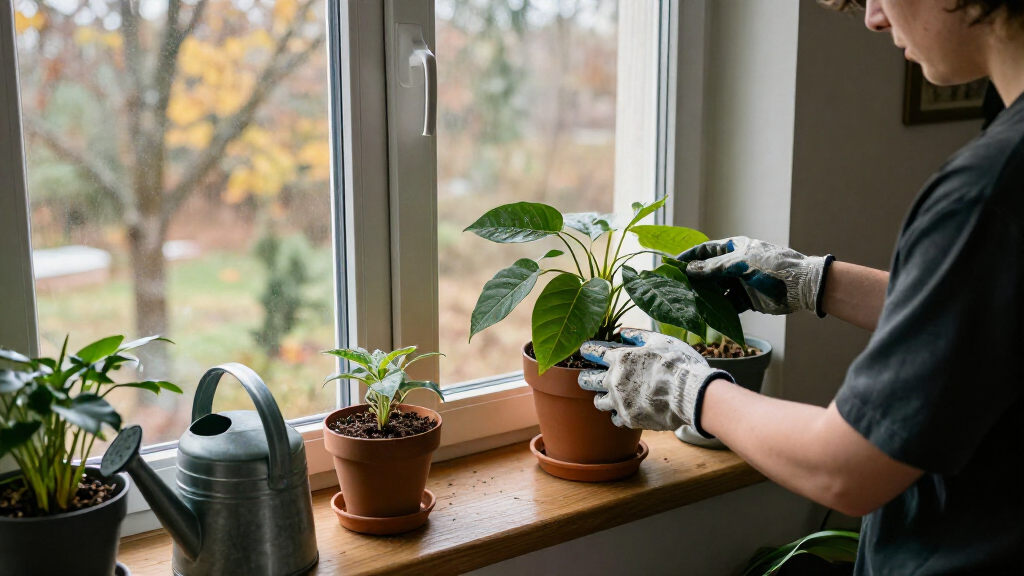
Suggested steps include wiping leaves with a damp cloth, rinsing smaller plants and letting them dry, and allowing the surface of potting mix to dry between waterings. The report advises emptying excess water from saucers and removing visible cottony growth on soil outdoors before adding fresh potting mix. It says an air purifier with a HEPA filter may capture airborne dust and pollen, but will not clean dust directly off leaves.
Reducing Indoor Plant Exposure
The advice matters because fall changes both plant placement and indoor air conditions. Windows close, outdoor plants come inside, and heating systems begin running, potentially increasing exposure to dust, pollen or other irritants in rooms where people spend much of their time. For people who notice symptoms after bringing plants indoors, identifying a possible source may help guide practical changes.
The report does not say that houseplants are a common cause of allergies for everyone. It describes houseplant allergies as fairly uncommon overall and frames the five species as possible contributors for sensitive individuals. That distinction matters: a stuffy nose or rash can have other causes, and removing plants without identifying a link may not address the problem.
Simple care adjustments can reduce some exposures without requiring a household to give up its plants. People with persistent symptoms can discuss testing with an allergist, while anyone who handles a plant known to irritate their skin can take precautions such as gloves and handwashing.
HEPA air purifier for indoor allergy relief
As an affiliate, we earn on qualifying purchases.
As an affiliate, we earn on qualifying purchases.
Why Fall Changes Indoor Conditions
During warmer months, the source says many houseplants stay on porches or patios and open windows allow more air movement. In early fall, plants may return indoors as windows close. At the same time, shorter days slow plant growth, so watering habits that suited summer may leave indoor soil too wet.
The report also describes the first furnace run as a time when dust, dust-mite particles and material in vents can be stirred into the air. It recommends changing the filter before heating begins. The source notes that bagged potting mixes can contain molds, but cites a study of plant-filled homes that found little airborne Aspergillus fumigatus unless plants or soil were disturbed. The material provided does not identify that study by name or give its methods.
“Houseplant allergies are fairly uncommon overall, but they can still be troublesome for sensitive people.”
— Gardening Know How report
damp cloth for cleaning houseplant leaves
As an affiliate, we earn on qualifying purchases.
As an affiliate, we earn on qualifying purchases.
Which Plant Is Actually Responsible?
The source does not establish how often each plant causes symptoms or how likely a particular person is to react. It refers to documented cases and skin testing but does not provide study citations, sample sizes or rates of sensitization for the five plants. Individual sensitivity and exposure differ, and symptoms such as a stuffy nose can have causes unrelated to houseplants.
It is also unclear whether a plant is responsible when symptoms begin in fall, since closed windows, furnace dust, dust mites and damp soil may contribute at the same time. The report recommends consulting an allergist if symptoms continue, but it does not provide a clinical diagnosis or a universal threshold for removing a plant.
As an affiliate, we earn on qualifying purchases.
Practical Steps for the Season
As plants move indoors, households can inspect and rinse outdoor plants, damp-wipe dusty leaves, and check whether potting mix is staying wet. The report advises keeping potentially irritating plants away from bedrooms and main living areas when a person is sensitive, and wearing suitable gloves when pruning or handling them. People with a latex allergy should use latex-free gloves when pruning weeping fig, according to the source.
If symptoms persist into October, the report recommends speaking with an allergist about testing for specific houseplants. A positive result could inform whether to relocate a plant, reduce handling or take other steps. The source does not report new testing data, a health advisory or a change in official allergy guidance; its recommendations are seasonal care measures, not a diagnosis.
As an affiliate, we earn on qualifying purchases.
Key Questions
Which five houseplants does the report identify?
It lists weeping fig, yucca, peace lily, potted mums and English ivy as plants that may contribute to symptoms in some sensitive people.
Do these plants cause allergies in everyone?
No. The report says houseplant allergies are fairly uncommon overall and that risk depends on the plant, how it is handled and a person’s sensitivity.
What can I do to reduce possible triggers at home?
Damp-wipe dusty leaves, avoid keeping potting mix constantly wet, empty saucers and rinse plants brought indoors. A HEPA air purifier may capture airborne particles, but it does not remove dust from leaves.
When should I ask about allergy testing?
If symptoms persist or seem connected to a particular plant, the report suggests consulting an allergist about testing. Symptoms alone do not confirm which plant, if any, is responsible.
Source: rss
Fall Picks
fall essentials
As an affiliate, we earn on qualifying purchases.