TL;DR

Get garden gear delivered free with Prime
- Fast, free delivery on millions of items
- Prime Video, Amazon Music and more included
- Member-only deals all year
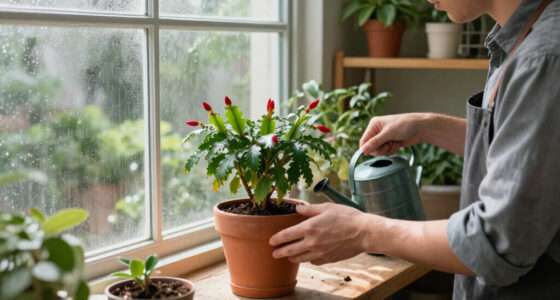
Gardening Know How reports that yellowing houseplant leaves often appear in November after shorter, dimmer days slow plant growth and water use while summer watering continues. Its suggested first step is to check the soil and the pattern of yellowing; overwatering is one possible cause, but yellow leaves alone do not confirm root rot.
Gardening Know How says yellow houseplant leaves often show up in November when shorter, less intense days slow growth and reduce plants’ water use, but owners keep watering as they did in summer. The report recommends checking for signs of soggy soil and root damage before changing care, because yellowing can have different patterns across plant types and does not by itself establish that overwatering is the cause.
The report’s proposed explanation is a seasonal mismatch: plants generally use less moisture as light declines and growth slows, while soil can stay wet if watering frequency remains unchanged. It says waterlogged soil can damage roots and that visible leaf symptoms may not appear until weeks after the roots are affected. That lag, the report argues, helps explain why a watering problem that began earlier in fall may become apparent in November.
Gardening Know How advises looking at which leaves are yellowing and how the discoloration looks, rather than treating every yellow leaf as the same diagnosis. It describes yellow rings around dark spots on some large-leafed tropical plants; fast, all-over yellowing on a stem of a ZZ plant; and pale, limp or brittle leaves on plants with fine roots. Succulents and other plants that store water may show translucent, soft yellowing near the base, while vining plants may lose older leaves first.
The practical first step is to inspect the plant and its potting mix, then avoid adding more water simply because leaves look unhealthy. The report frames reducing excess watering and allowing care to match the plant’s slower seasonal use as the simple correction. It does not provide a single watering schedule for all houseplants: species, potting mix, container drainage, light and indoor conditions affect how quickly soil dries.
Why Fall Watering Changes Matter
Yellowing can prompt a well-meaning owner to water more, but if the underlying problem is already wet soil and damaged roots, that response may add to the stress. The report’s advice matters because watering needs can shift with seasonal light, even though houseplants remain indoors. Checking the soil and the plant’s symptoms before acting may help owners avoid worsening a potential overwatering problem.
The guidance also cautions against assuming that one symptom has one cause. Yellow leaves can differ in color, location and texture across plants, and the report’s examples are patterns associated with overwatering, not a definitive diagnostic test. A careful assessment is more useful than applying a blanket rule to every plant in a home.
Popular right now

Hisense 43-Inch E6SR Series Hi-QLED 4K UHD Smart Roku TV (2026 Model)

Ninja Crispi 5-in-1 Glass Air Fryer System, Emerald, FN103BF

KitchenAid Classic Series 4.5-Quart Tilt-Head Stand Mixer, Onyx Black
As an affiliate, we earn on qualifying purchases.
How November Symptoms Develop
According to Gardening Know How, fall brings shorter days and less intense sunlight, which can slow growth and reduce moisture use for many houseplants. If a plant continues to receive the same amount of water as during faster summer growth, its potting mix may remain wet longer. The report says root damage can develop before leaf changes become visible, with yellowing appearing after weeks of waterlogged conditions.
The source lists different visual patterns by plant group, including yellowing at the base of water-storing plants and older-leaf yellowing in vines. These descriptions are useful clues, but they do not replace checking the growing conditions or confirming the plant’s health. The article gives seasonal guidance rather than a controlled study or a universal care prescription.
““As days shorten and sunlight becomes less intense in fall, most houseplants use far less moisture as their growth dramatically slows.””
— Gardening Know How
Yellow Leaves Are Not A Diagnosis
Yellowing alone does not prove overwatering or root rot. The source describes patterns it associates with excess moisture but does not establish that those patterns are unique to root damage. It also gives no measurements for how often plants should be watered, how long soil should take to dry, or how much seasonal changes vary among homes and species.
The report does not specify how to confirm root rot, what treatment is appropriate for every affected plant, or how likely a plant is to recover. A plant’s condition, drainage, soil, light and other care factors may affect the diagnosis. Readers should treat the listed symptoms as clues and seek plant-specific guidance if the cause remains uncertain or the condition continues to worsen.
Check Soil Before Watering Again
For an affected plant, the immediate next step is to inspect the soil and drainage and compare the leaf pattern with the plant’s normal growth. Do not use a fixed calendar or the appearance of a single leaf as the only guide. Adjust watering to the plant’s needs and the rate at which its potting mix dries as indoor light and seasonal growth change.
Watch for whether yellowing spreads or new growth remains healthy. The source offers no follow-up data or recovery timeline, so the outcome will depend on the plant and the extent of any root damage. If symptoms persist despite correcting care, a more specific diagnosis may be needed.
Key Questions
Why might houseplant leaves turn yellow in November?
Gardening Know How says shorter, dimmer fall days can slow growth and reduce water use. If summer watering continues, soil may stay wet and contribute to root stress. This is a possible explanation, not a diagnosis for every yellow leaf.
Should I water a plant when its leaves turn yellow?
Check the potting mix and drainage first. Yellow leaves do not necessarily mean the plant needs more water; if the soil is already wet, adding water may worsen an overwatering problem.
Do all plants show overwatering in the same way?
No. The report describes different patterns, including yellowing at the base of water-storing plants, older-leaf yellowing in vines, and yellow rings or pale foliage in other groups. These are clues rather than conclusive tests.
How often should I water houseplants in fall?
The source does not give one schedule for all plants. Watering needs depend on the plant, soil, pot drainage, light and indoor conditions, so check the mix and adjust as it dries rather than following a universal timetable.
Source: gardeningknowhow.com