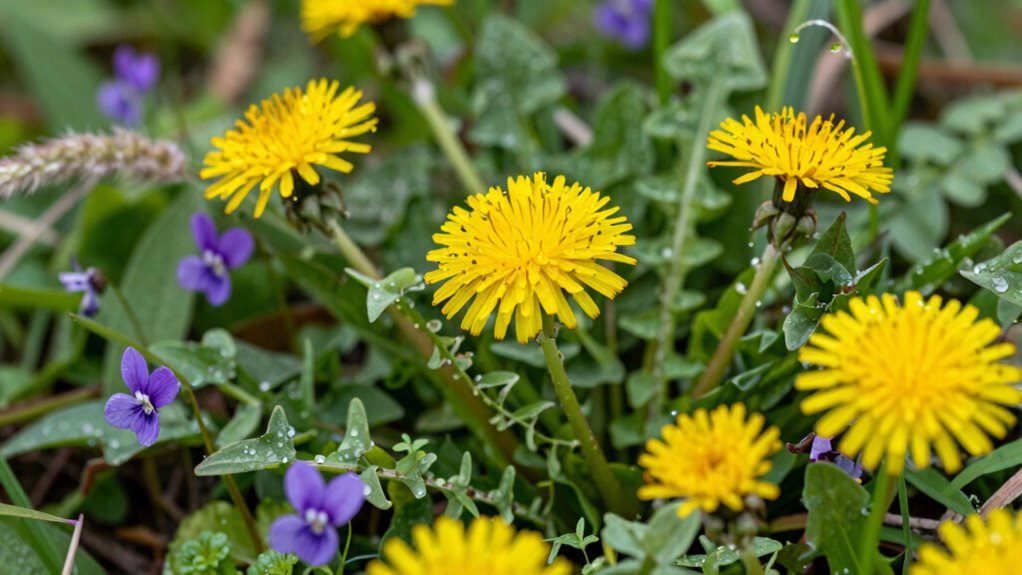

You might see weeds as nuisances, but many actually play essential roles in ecosystems, promoting resilience and adaptability. They help stabilize soil, provide habitat, and fill ecological gaps that native species sometimes struggle with. Recognizing their importance reveals that these plants are messengers of environmental change and balance. If you’re curious about how weeds contribute to ecosystem health and why they deserve respect, there’s much more to explore beyond their reputation.

Get garden gear delivered free with Prime
- Fast, free delivery on millions of items
- Prime Video, Amazon Music and more included
- Member-only deals all year
Key Takeaways
- Weeds often play vital ecological roles, contributing to soil stability and habitat in degraded or disturbed environments.
- Their resilience and adaptability showcase nature’s ability to recover and thrive amid environmental challenges.
- Labeling plants as weeds oversimplifies complex ecological relationships, as native species can also become invasive.
- Recognizing the ecological functions of weeds promotes sustainable management and a balanced approach to ecosystem health.
- Weeds serve as indicators of environmental change, highlighting resilience and the need to protect biodiversity.
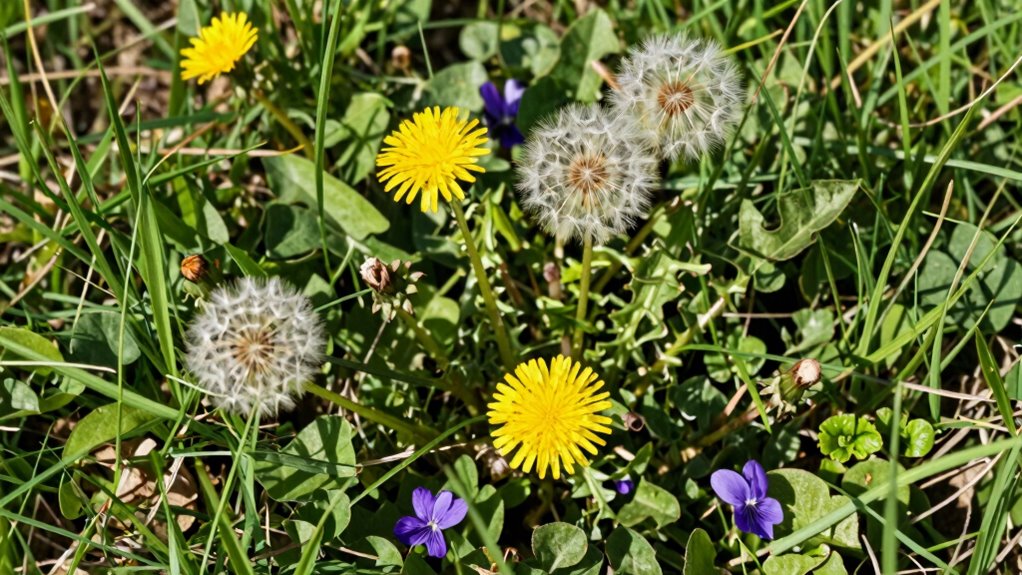
Many plants we dismiss as weeds actually play essential roles in ecosystems and deserve our respect. While it’s easy to see them as nuisances or symbols of overgrown yards, these plants often contribute more than you realize. Some of these so-called weeds are actually invasive species, capable of spreading rapidly and outcompeting native plants. But understanding their impact requires you to look beyond surface appearances. Many invasive species thrive because they exploit vulnerabilities in disturbed environments, often taking hold where native resilience has been weakened. Recognizing this helps you see these plants not just as pests, but as indicators of ecological imbalance.
Many so-called weeds are vital to ecosystems, revealing ecological imbalance and resilience in disturbed environments.
Despite their reputation, some of these resilient plants demonstrate remarkable adaptability and resilience—traits that have allowed them to survive and even flourish in challenging conditions. These plants can colonize bare soil, endure drought, and withstand poor soil quality, often filling ecological niches that native species struggle to occupy. By dismissing them outright, you overlook their role in stabilizing soil and providing habitat in degraded areas. Their resilience can be a sign of ecological disturbance, but it also highlights nature’s ability to adapt. When managed thoughtfully, these plants can be part of a broader strategy for ecological restoration, giving you a chance to work with nature rather than against it. Understanding the adaptive strategies of these plants can help inform more effective management practices. Recognizing the role of resilience in these species can also aid in developing sustainable solutions for ecological balance.
It’s important to realize that labeling plants as weeds often simplifies a complex ecological story. Many native plants also have aggressive tendencies, and their resilience is essential for maintaining local biodiversity. Instead of vilifying all resilient plants, you should consider their context. Some native species are just as invasive within their habitats, pushing out other native flora and altering the landscape. This highlights that resilience isn’t inherently good or bad—it depends on the environment and the balance of the ecosystem. When you understand this, you’re better equipped to manage invasive species and promote native resilience, fostering healthier, more balanced ecosystems. Recognizing the ecological roles of these plants can help you develop more sustainable management strategies.
Ultimately, respecting these common plants means acknowledging their ecological roles and the complexities of invasive species. They serve as messengers of environmental change, resilience, and adaptation. Recognizing the importance of biodiversity in maintaining healthy ecosystems helps us appreciate the nuanced roles these plants play. Rather than dismissing them as mere weeds, you can view them as part of a dynamic natural system. This perspective encourages smarter management practices and deeper respect for the intricate web of life that sustains us all. By doing so, you’ll help foster ecosystems that are more resilient, balanced, and sustainable for generations to come.
As an affiliate, we earn on qualifying purchases.
Frequently Asked Questions
Are All Weeds Harmful to the Environment?
Not all weeds are harmful to the environment; many play essential roles in urban ecology. Some weeds adapt quickly to changing conditions, supporting plant diversity and providing habitats for insects and birds. They often help stabilize soil and prevent erosion. By understanding plant adaptation, you can recognize that many weeds contribute positively to ecosystems, challenging the idea that all weeds are pests. Embracing their role fosters a balanced view of urban ecology.
How Can I Identify Beneficial Weeds From Invasive Species?
To identify beneficial weeds from invasive species, observe their growth patterns and how they interact with your garden. Beneficial weeds often support companion planting and natural pest control by attracting pollinators or repelling pests. Invasive species tend to spread aggressively and lack natural predators. Educate yourself on local native plants, and monitor your garden regularly to distinguish helpful weeds that enhance your ecosystem from those that harm it.
Do Weeds Have Any Medicinal or Culinary Uses?
Imagine nature’s pantry, where weeds are hidden gems. Many weeds have herbal remedies and edible plant qualities, offering medicinal benefits like anti-inflammatory properties and nutritional value. You can harvest dandelions for salads or teas, while purslane provides omega-3 fatty acids. Recognizing these plants as valuable, you discover a world of natural medicine and culinary delights, turning common weeds into your garden’s secret treasure chest.
Why Do Some Weeds Thrive Despite Herbicides?
Some weeds thrive despite herbicides because they develop herbicide resistance, making them harder to control. They employ adaptive weed strategies, like growing deeper roots or reproducing rapidly, allowing them to survive treatments. You might notice certain weeds persist even after spraying; this is often due to their ability to adapt quickly. Understanding these strategies helps you choose better management practices, reducing the chances of herbicide resistance developing further.
How Can I Promote Beneficial Weeds in My Garden?
To promote beneficial weeds in your garden, start with companion planting by pairing them with desired crops to encourage growth and pest control. Allow these weeds to grow naturally, as they often enrich the soil through nitrogen fixation or organic matter. Avoid harsh herbicides, and instead, selectively manage weeds to maintain a diverse, healthy ecosystem. This approach supports biodiversity and creates a resilient, thriving garden environment.
native plant habitat restoration kit
As an affiliate, we earn on qualifying purchases.
As an affiliate, we earn on qualifying purchases.
Conclusion
Next time you see a weed, remember it’s more than just unwanted growth. These plants make up about 25% of the world’s flowering species, proving they’re essential to ecosystems. Respecting weeds means recognizing their role in supporting pollinators and enriching soil. By appreciating their value, you help foster a more balanced environment. Sometimes, what we dismiss as pests actually holds the key to healthier, more resilient nature. So, give weeds a second thought—they might surprise you.
As an affiliate, we earn on qualifying purchases.
ecological restoration native seeds
As an affiliate, we earn on qualifying purchases.
As an affiliate, we earn on qualifying purchases.
Fall Picks
fall essentials
As an affiliate, we earn on qualifying purchases.