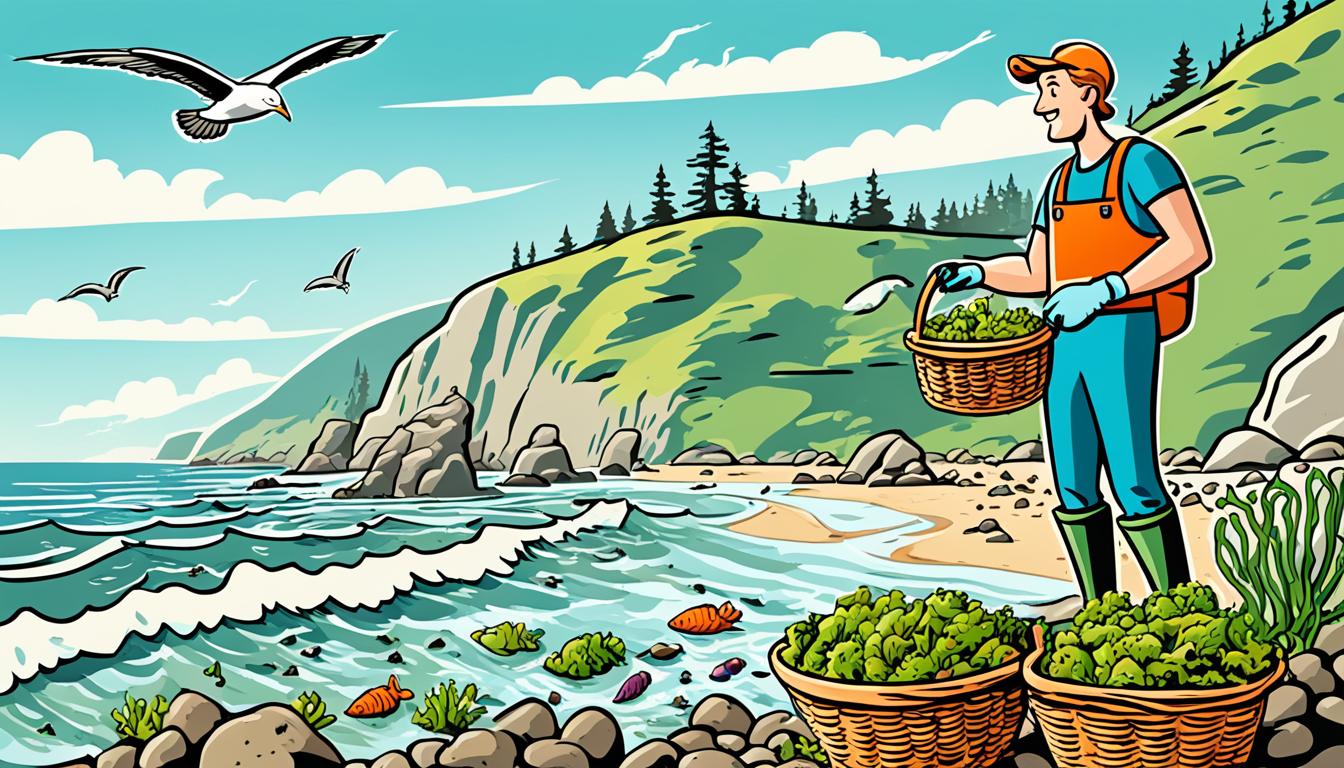
Responsible seaweed harvesting involves using eco-friendly methods that support natural regrowth and prevent overharvesting. You should prioritize hand-harvesting techniques, choose strategic harvesting times, and respect protected zones to maintain ecosystem health. Engaging with local communities and experts helps guarantee sustainable practices are followed. By adopting these approaches, you help protect marine environments for future harvests. Continue exploring how you can make a positive impact on seaweed sustainability and ecological balance.

Get garden gear delivered free — and shop member deals
- Fast, free delivery on millions of items
- Access to Prime Big Deal Days deals on October 6–7
- Prime Video, Amazon Music and more included
Key Takeaways
- Practice hand-harvesting techniques that allow seaweed to naturally regrow and avoid overharvesting.
- Implement seasonal and area-specific restrictions to protect seaweed beds during critical growth periods.
- Engage local communities and stakeholders in monitoring and managing harvesting practices responsibly.
- Collaborate with scientists to develop environmentally sustainable methods that minimize ecological disruption.
- Educate harvesters on ecological impacts and promote responsible behaviors to ensure long-term resource sustainability.

Have you ever wondered how seaweed is gathered from the ocean? It’s a process that requires careful planning and respect for the environment. When done responsibly, it involves sustainable practices that protect the delicate ecosystems where seaweed thrives. Instead of overharvesting, harvesters focus on methods that allow the seaweed to regrow naturally, ensuring that the resource remains available for future generations. This approach isn’t just about protecting seaweed; it’s about maintaining the balance of entire marine ecosystems. Many successful harvesters work closely with scientists and environmentalists to develop techniques that minimize ecological disruption. They also prioritize community involvement, recognizing that local communities often have the most knowledge about their coastal waters. By engaging with fishermen, residents, and indigenous groups, they create a shared responsibility for sustainable harvesting. Community involvement ensures that the practices are culturally appropriate and economically beneficial for those who depend on seaweed harvesting for their livelihoods. It also encourages transparency and accountability, making sure everyone involved understands the importance of preserving the resources. These communities often participate in monitoring efforts, helping track the health of the seaweed beds and identifying any signs of overharvesting or environmental stress. This participatory approach fosters a sense of stewardship, motivating local stakeholders to protect their marine environment actively. Moreover, sustainable practices involve strategic timing and selective harvesting techniques. Instead of stripping entire beds at once, harvesters take only what’s needed and leave enough seaweed behind to continue growing. They often use hand-harvesting methods that are less invasive than mechanical tools, reducing damage to the surrounding plants and habitat. This careful approach allows the seaweed to recover quickly, maintaining the productivity of the beds. Education also plays a crucial role; communities are often trained on best practices and the ecological importance of seaweed. By understanding how their actions impact the environment, harvesters become more committed to maintaining sustainable practices. Additionally, some regions have established regulations and protected zones that limit harvesting during certain seasons or in specific areas. These measures help prevent overexploitation and promote regrowth. Recognizing the importance of personal growth and development can further enhance community efforts and individual commitment to sustainable practices. Overall, the success of sustainable seaweed harvesting depends heavily on collaborative efforts and community involvement. When everyone works together, respecting the ocean’s natural rhythms and using responsible methods, we ensure that seaweed remains a essential resource for both the environment and local economies. This ethical approach not only preserves the ocean’s health but also supports the livelihoods of those who depend on it, creating a sustainable future for seaweed harvesting.
Top picks for "seawe harvest ethic"
As an affiliate, we earn on qualifying purchases.
Frequently Asked Questions
How Does Seaweed Harvesting Impact Local Marine Biodiversity?
When you harvest seaweed responsibly, you help maintain marine ecosystem balance and support biodiversity conservation. Overharvesting, however, can disrupt habitats, reduce food sources, and threaten marine species. By practicing sustainable harvesting, you guarantee that biodiversity stays intact and ecosystems remain resilient. Your actions directly impact local marine life, so choosing eco-friendly methods helps preserve the rich biodiversity that sustains healthy oceans for future generations.
Are There Specific Regulations Governing Sustainable Seaweed Harvesting?
Think of regulations as the guiding stars for your sustainable seaweed harvest. You should follow legal frameworks and certification standards that set clear rules on harvesting limits and methods. These regulations help protect ecosystems and ensure your practices remain eco-friendly. By adhering to them, you not only stay compliant but also contribute to the health of marine biodiversity, turning your harvest into a responsible and sustainable activity that benefits everyone involved.
What Are the Best Practices for Minimal Environmental Disturbance?
To minimize environmental disturbance, you should use eco-friendly tools that reduce damage to the surrounding ecosystem. Always pay attention to harvest timing, collecting seaweed during periods that support natural regrowth, such as outside of breeding seasons. Carefully select harvest areas with abundant seaweed and avoid overharvesting. By following these practices, you help preserve marine habitats while sustainably harvesting seaweed for your needs.
How Can Harvesters Identify Overharvested or Vulnerable Areas?
Oh, you’ll love this—just look for signs like reduced seaweed density or color changes, which are classic harvesting indicators. Monitoring techniques like drone surveys or scuba inspections help spot overharvested or vulnerable areas. If the seaweed looks sparse or unhealthy, it’s a good sign you’re in a sensitive spot. Pay close attention to these visual cues, and you’ll avoid damaging the ecosystem while harvesting responsibly.
What Role Do Community-Led Initiatives Play in Sustainable Harvesting?
Community-led initiatives play a crucial role in sustainable harvesting by encouraging community participation in resource management. When you get involved, you help monitor seaweed populations, set harvesting limits, and protect vulnerable areas. Your active participation guarantees that harvesting practices remain sustainable, preserving seaweed beds for future generations. These initiatives foster a shared sense of responsibility, empowering communities to balance economic benefits with ecological health, ultimately ensuring the longevity of seaweed resources.
Conclusion
As you harvest seaweed, remember you’re tending a living tapestry woven by nature’s gentle hand. Respect its delicate balance, for every break you take is a promise to the ocean’s future. Like a gardener’s touch, your mindful actions guarantee the underwater forest continues to flourish, whispering secrets to the waves. When you harvest ethically, you’re not just taking from the sea—you’re nurturing its silent symphony, allowing it to thrive for generations to come.
Fall Picks
fall essentials
As an affiliate, we earn on qualifying purchases.