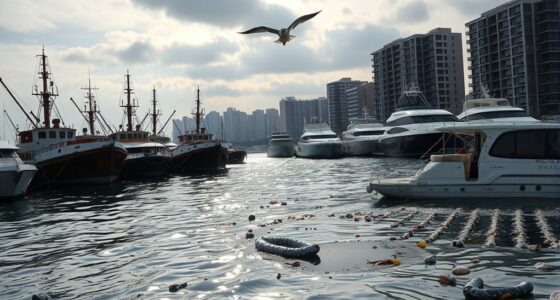
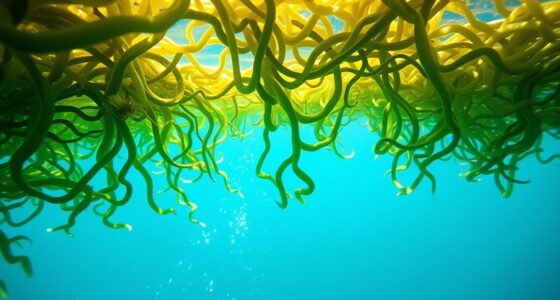
Along the tide line, you’ll find different seaweed zones each with unique plants adapted to specific conditions. The low tide line hosts hardy seaweeds like rockweed that cling tightly to rocks and withstand waves, providing shelter for small creatures. Higher up, the mid-intertidal zone features kelp forests that thrive in calmer waters and support diverse marine life. The upper tide line has tough, resilient seaweeds that stabilize the shoreline. If you keep exploring, you’ll uncover how each zone plays a crucial role in coastal health.
Key Takeaways
- The low tide line zone features hardy seaweeds like rockweed and bladderwrack attached to rocks, providing shelter and supporting shoreline recovery.
- The mid-intertidal zone hosts kelp forests in calmer waters, offering habitat and food for diverse marine species.
- The upper tide line contains resilient seaweeds that stabilize sediments and endure prolonged exposure and low nutrients.
- Water movement influences species distribution, with strong currents favoring tough, fast-growing seaweeds and calm waters supporting delicate types.
- Each zone plays a vital role in coastal ecosystem health, supporting biodiversity and aiding shoreline resilience after disturbances.

Seaweed zones are distinct areas in the ocean where different types of seaweed thrive, influenced by factors like depth, light, and water movement. These zones play an essential role in shaping marine biodiversity and supporting the health of coastal ecosystems. As you explore the tide line, you’ll notice how specific seaweed species dominate certain regions, creating a fascinating mosaic of life that varies with the changing tides.
Near the low tide line, you’ll find seaweeds like rockweed and bladderwrack clinging tightly to rocks and other hard substrates. These species are adapted to withstand the pounding of waves and the exposure to air during low tide. Because they’re regularly exposed to air and sunlight, they tend to be hardy, providing shelter and food for numerous marine creatures. This zone is fundamental for maintaining marine biodiversity because it offers a rich habitat for small fish, invertebrates, and even some bird species. The constant movement of water here also facilitates nutrient exchange, supporting the growth of these resilient seaweeds and the diverse life they host. Additionally, the intertidal environment here creates unique challenges that select for specially adapted species. The resilience of these species is crucial for the shoreline’s recovery after disturbances like storms or human activity, and understanding these adaptations helps in appreciating the ecological importance of this zone.
Moving higher up the shore, the mid-intertidal zone sees a different set of seaweeds, including species like kelp that prefer slightly deeper and calmer waters. Kelp forests, in particular, are some of the most productive and biologically rich parts of coastal ecosystems. They act as underwater rainforests, offering shelter, breeding grounds, and food for a multitude of marine animals such as fish, sea urchins, and crustaceans. The presence of kelp influences the entire local ecosystem, supporting higher marine biodiversity by providing complex habitats that sustain various species at different life stages. Water movement in this zone tends to be gentler, allowing larger, more delicate seaweeds to thrive. These kelp forests are sensitive to changes in water quality, making them important indicators of environmental health. Recognizing the biodiversity supported by kelp forests emphasizes their crucial role in maintaining ecosystem stability.
At the upper limits of the tide line, where water rarely reaches, you might find small, hardy seaweeds that can survive prolonged exposure and low nutrient levels. These species are specially adapted to harsh conditions and often form the first line of defense for the shoreline against erosion. Although less diverse than lower zones, these seaweeds still contribute to the overall health of coastal ecosystems by stabilizing sediments and providing food for specialized organisms. Recognizing the importance of marine biodiversity in these zones highlights how each layer supports a diverse range of species vital for ecosystem resilience. The resilience of these species is crucial for the shoreline’s recovery after disturbances like storms or human activity. Their ability to withstand environmental stressors helps maintain the stability of the entire coastal environment, showcasing their vital ecological functions.
Throughout these zones, water movement influences the types of seaweed that can thrive. Strong currents and wave action favor tough, fast-growing species that can anchor securely, while calmer waters support larger, more delicate seaweeds. By understanding these zones, you gain insight into how each supports marine biodiversity and the balance that keeps coastal ecosystems resilient and vibrant. Recognizing the significance of each zone helps appreciate the complex interactions that sustain life along the tide line.
As an affiliate, we earn on qualifying purchases.
Frequently Asked Questions
How Do Seaweed Zones Change With Seasons?
Seasonal growth and temperature variations cause seaweed zones to shift throughout the year. You’ll notice certain seaweeds thriving in specific zones during warmer months, while others dominate in cooler seasons. As temperatures change, some species move to different tide line zones, adapting to new conditions. These seasonal fluctuations impact the distribution and abundance of seaweed, making the tide line a dynamic environment that reflects the changing seasons.
Are Certain Seaweed Species More Beneficial for Marine Life?
Certain seaweed species are like the superheroes of the ocean, offering unique benefits for marine life. For example, kelp and sea lettuce support diverse marine communities through their algae diversity and nutrient absorption abilities. These species provide essential habitat and food, helping maintain the balance of ecosystems. By choosing the right seaweed, you help promote a healthy, thriving ocean, where marine life can flourish like a well-tuned orchestra.
Can Humans Sustainably Harvest Seaweed From Different Zones?
Yes, you can sustainably harvest seaweed from different zones by following responsible practices. Focus on sustainable harvesting methods that avoid overexploiting populations, helping marine conservation efforts. By selectively collecting seaweed and respecting zone-specific growth patterns, you guarantee healthy ecosystems remain intact. This approach promotes the ongoing availability of valuable seaweed resources while protecting marine biodiversity for future generations.
How Do Tide Levels Influence Seaweed Distribution?
Tide levels act like an artist’s brush, painting the intertidal habitats with varying shades of seaweed. As tidal fluctuations rise and fall, they dictate where different seaweed zones thrive. Low tides expose the rocky surfaces, fostering growth of hardy species, while high tides submerge zones that support delicate algae. Your understanding of these ebb and flow patterns reveal the secrets of seaweed distribution along the shoreline.
What Role Do Seaweed Zones Play in Coastal Erosion?
Seaweed zones play a critical role in coastal erosion by stabilizing the shoreline. As an essential part of the seaweed habitat, they anchor sediment and reduce the impact of waves, preventing erosion. When these zones are healthy, they support coastal stability, protecting the land from wear and tear. You can help maintain these zones by avoiding damage to seaweed beds, ensuring they continue to shield the coast effectively.
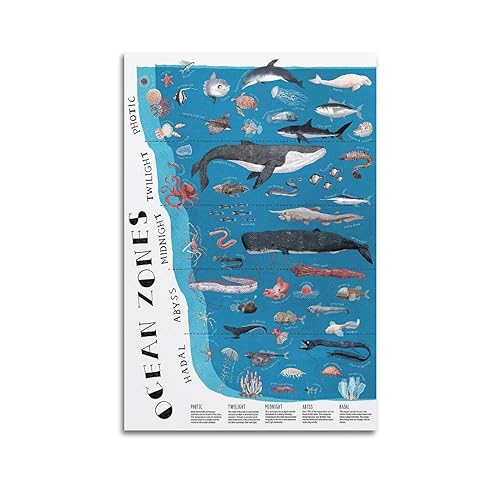
ZHAOYZZY The Layers Ocean Zones Poster Science Posters for Classroom Painting Canvas Wall Posters Art Picture Print Modern Family Decor Posters 12x18inch(30x45cm)
- Print Size: 12×18 inches (30x45cm)
- Color Variance Notice: Colors may vary slightly from screen
- Display Tips: Looks great framed or wall-mounted
As an affiliate, we earn on qualifying purchases.
As an affiliate, we earn on qualifying purchases.
Conclusion
Now that you know where different seaweeds thrive along the tide line, you can better appreciate their diverse roles. It might seem overwhelming at first, but once you start observing these zones, you’ll see how each type contributes to the coastal ecosystem. Just remember, exploring these zones is safe and fascinating—you don’t need to be an expert. So, go ahead, get closer to the shoreline, and discover the vibrant world of seaweed all around you.
Fiskars Harvesting Knife w/ Sheath, Serrated Edge Vegetable Garden Tool
- Ideal for Harvesting: Includes knife, sheath, and belt loop
- Versatile Blade Design: Sharp stainless steel with serrated section
- Durable Extended Tang: Enhanced strength and ergonomic SoftGrip handle
As an affiliate, we earn on qualifying purchases.
As an affiliate, we earn on qualifying purchases.

RedCrocus – RedCrocus American Beachgrass Grass Ammophila breviligulata for Dune Stabilization Coastal Gardens Native Plant Landscape 4" Pot (Pack of 10)
- Plant Type: Perennial American Beachgrass
- Appearance: Blue-green foliage with feathery flower spikes
- Native To: Atlantic coastal dunes
As an affiliate, we earn on qualifying purchases.
As an affiliate, we earn on qualifying purchases.