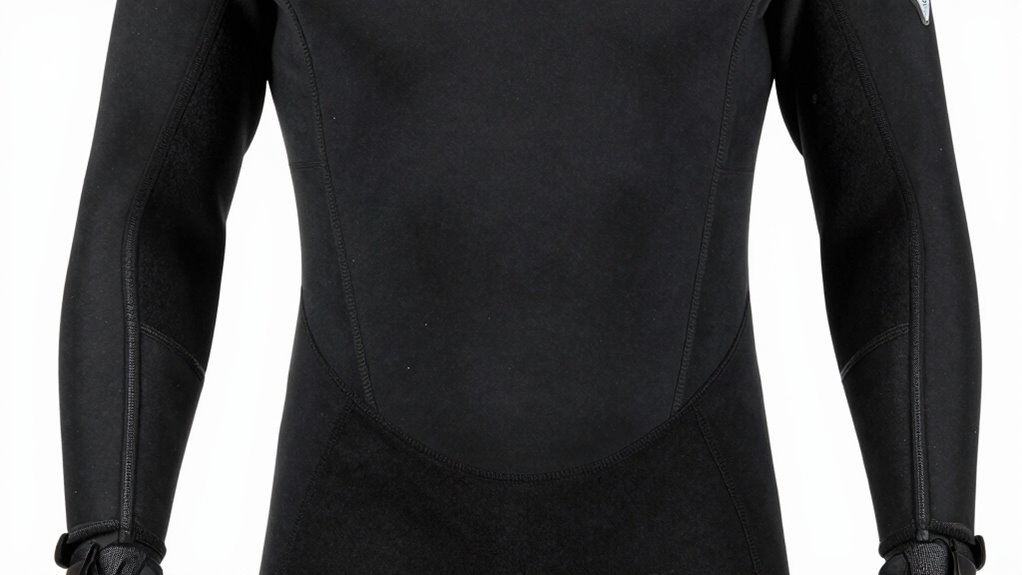

To stay warm without sweating in a drysuit, layer wisely by starting with a close-fitting, moisture-wicking base layer to keep your skin dry and warm. Add a lightweight mid-layer for insulation, adjusting based on water temperature and activity. Your drysuit acts as the outer barrier, helping maintain your internal climate. Be ready to remove or add layers as needed to prevent overheating or chilling. Keep exploring for more tips to perfect your layering technique.

Get garden gear delivered free — and shop member deals
- Fast, free delivery on millions of items
- Access to Prime Big Deal Days deals on October 6–7
- Prime Video, Amazon Music and more included
Key Takeaways
- Choose moisture-wicking base layers to keep skin dry and prevent heat loss.
- Add insulating mid-layers like fleece or thin neoprene based on water temperature.
- Adjust layers dynamically—remove when sweating and add when feeling cold during the dive.
- Use a drysuit as an outer shell to prevent water entry and support thermal regulation.
- Prioritize breathability and proper insulation to stay warm without trapping excess moisture.

Are you wondering how to stay warm and dry when diving or engaging in cold water activities? The secret lies in mastering the art of layering your drysuit effectively. Proper layering isn’t just about piling on extra clothing; it’s about optimizing thermal regulation and moisture management to keep you comfortable and safe throughout your adventure. When you dress correctly, you prevent heat loss and avoid the discomfort of sweating inside your drysuit, which can lead to cold, clammy conditions once you’re submerged.
Start with a close-fitting base layer made from a moisture-wicking material. This layer pulls sweat away from your skin, ensuring you stay dry and comfortable. Synthetic fabrics like polyester or polypropylene are excellent choices because they dry quickly and help regulate your core temperature. Avoid cotton, as it absorbs water and can make you feel colder once it gets wet. The goal here is to maintain a dry environment next to your skin, which is crucial for effective thermal regulation. When moisture stays away from your body, your body can better retain heat, and you’re less likely to experience chills after surfacing. Additionally, understanding the importance of layering techniques can significantly impact your comfort and safety. Incorporating knowledge of thermal regulation can further enhance your ability to stay warm without overheating. A well-structured layering approach also considers the moisture management properties of your clothing, ensuring that sweat is effectively wicked away from your skin.
Use moisture-wicking base layers like polyester or polypropylene to stay dry and retain heat during cold water activities.
Choosing the right materials for each layer is essential, as breathability influences how well moisture and heat are managed during activity. Over this, consider adding a mid-layer if the water temperature is particularly cold. This layer provides insulation and traps body heat. A lightweight fleece or a thin neoprene vest works well because it adds warmth without bulk. The key is to strike a balance: you want enough insulation to keep you warm but not so much that it restricts movement or causes excessive sweating. When you’re active, your body produces heat, and the right mid-layer can help you maintain a steady temperature. Also, it’s vital that this layer wicks moisture away from your skin to prevent dampness, which can accelerate heat loss. Recognizing insulation properties in your layers can help you select the most effective clothing for varying conditions.
Finally, your drysuit itself acts as a protective shell, keeping water out and maintaining the internal environment. When choosing your layering system, remember that the aim is to work with your drysuit’s design to promote thermal regulation and moisture management. Adjust your layers based on water temperature, your activity level, and personal comfort. If you start to sweat, remove a layer if possible. Conversely, if you feel cold, add a thin insulating layer. By paying attention to these details, you’ll optimize your drysuit setup, stay warm, and enjoy your dive without the discomfort of sweating yourself cold. Proper layering is the smart way to extend your time in the water comfortably and safely.
moisture-wicking base layer for diving
As an affiliate, we earn on qualifying purchases.
As an affiliate, we earn on qualifying purchases.
Frequently Asked Questions
How Often Should I Replace My Drysuit Layers?
You should replace your drysuit layers when you notice signs of wear, such as thinning fabric, tears, or persistent odors. Regular layer maintenance helps extend suit durability, but over time, materials break down. Check for changes in fit or insulation effectiveness. Typically, replacing layers every 1-3 years is recommended, depending on usage frequency. Staying attentive to these signs guarantees your drysuit remains reliable and keeps you warm without sacrificing comfort.
Can I Wear Cotton Underlayers With a Drysuit?
You shouldn’t wear cotton underlayers with a drysuit because it traps moisture and doesn’t wick it away, leading to dampness and cold. Cotton layering absorbs sweat, which can make you feel colder and increase the risk of hypothermia. Instead, opt for moisture management materials like synthetic fabrics or merino wool, which keep you dry and warm by wicking sweat away from your skin, ensuring comfort and safety during your dive.
What Are the Signs of Moisture Buildup Inside the Drysuit?
You notice a clammy feeling or slight dampness inside your drysuit—that’s moisture buildup. Moisture detection is essential because it compromises your suit insulation, risking cold stress. Look for fogging on your visor, feeling of dampness on your skin, or a sudden chill that doesn’t go away. These signs warn you that your suit isn’t sealing properly, and addressing it immediately keeps you warm, dry, and safe during your dive.
How Do I Prevent Chafing With Multiple Layers?
To prevent chafing with multiple layers, focus on friction reduction by choosing smooth, snug-fitting base layers that move with you and avoid bulky fabrics. Use moisture management techniques by selecting moisture-wicking materials that keep sweat away from your skin. Additionally, apply a lubricant or anti-chafing balm on areas prone to rubbing, and guarantee your layers aren’t too tight, allowing your skin to breathe and minimizing irritation during your drysuit adventures.
Are There Specific Materials Best for Drysuit Layering?
A stitch in time saves nine, so choose your materials wisely. For drysuit layering, synthetic fabrics are your best bet because they offer excellent insulation properties and wick moisture away from your skin, keeping you warm and dry. Look for materials like polyester or nylon, which dry quickly and resist compression. Avoid cotton, as it traps moisture and can make you cold. Prioritize synthetic layers for maximum warmth and comfort.
insulating neoprene vest for cold water
As an affiliate, we earn on qualifying purchases.
As an affiliate, we earn on qualifying purchases.
Conclusion
Now that you know the layering basics, you’re ready to stay warm and dry on your adventures. Think of your drysuit system like a well-organized wardrobe—each layer playing its part to keep you comfortable. When you choose the right materials and adjust your layers as needed, you’ll stay as warm as a cozy fire without sweating yourself cold. With these tips, you’ll confidently conquer any water adventure, feeling prepared and protected every time.
breathable drysuit layering clothing
As an affiliate, we earn on qualifying purchases.
As an affiliate, we earn on qualifying purchases.
thermal regulation clothing for cold water diving
As an affiliate, we earn on qualifying purchases.
As an affiliate, we earn on qualifying purchases.
Fall yard work Picks
leaf blowers
As an affiliate, we earn on qualifying purchases.