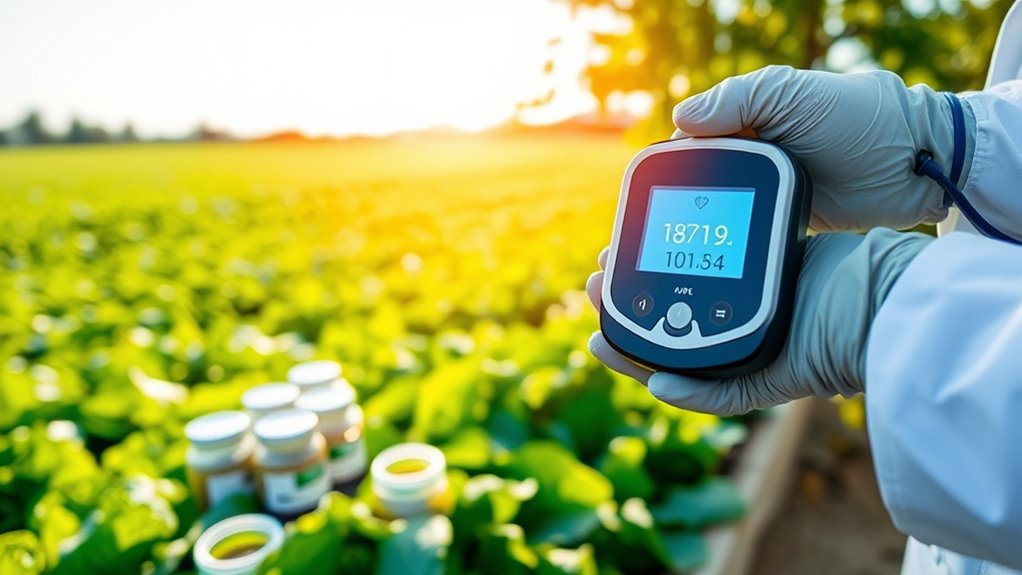

Before you harvest seafood or use water sources, verify with local hotlines for current biotoxin levels and safety advisories. These resources provide updates on algae blooms and toxin presence, helping you avoid contaminated areas. Always rely on laboratory testing of water and seafood samples for accurate results, as visual cues are unreliable. Staying informed and proactive can protect your health; continue to explore trusted methods to ensure safety before harvesting begins.
Key Takeaways
- Contact local health or environmental hotlines for current biotoxin advisories and water safety updates.
- Use official hotlines to report concerns and receive guidance on safe harvesting practices.
- Access laboratory testing services to verify biotoxin levels in water and seafood before harvesting.
- Monitor environmental conditions like water temperature and algae blooms that influence toxin risks.
- Follow testing results and advisories strictly, avoiding harvesting from contaminated or closed water bodies.
When dealing with unexplained health issues, recognizing the signs of biotoxin exposure is essential. You might not realize it, but symptoms like fatigue, headaches, dizziness, or gastrointestinal problems can be linked to biotoxins such as marine toxins. These toxins often originate from harmful algae blooms, which produce dangerous substances that contaminate water sources and seafood. If you’re involved in harvesting or consuming seafood, understanding the importance of water safety becomes critical. Consuming contaminated shellfish or fish can lead to serious health consequences, so knowing how to check for biotoxins before harvesting is vital for your safety.
One of the first steps you should take is to be aware of biotoxin hotlines and testing resources available in your area. Many states and health agencies operate hotlines where you can report concerns, get updates on current biotoxin levels, or seek advice on water safety. These hotlines serve as a quick, reliable way to stay informed about current risks related to marine toxins. They can also guide you on whether local water bodies are safe for harvesting seafood or if closures are in effect due to toxin presence. By regularly checking with these hotlines, you can prevent accidental exposure to harmful marine toxins that might be present in water sources.
Stay informed with local hotlines to ensure water safety and prevent exposure to harmful marine biotoxins.
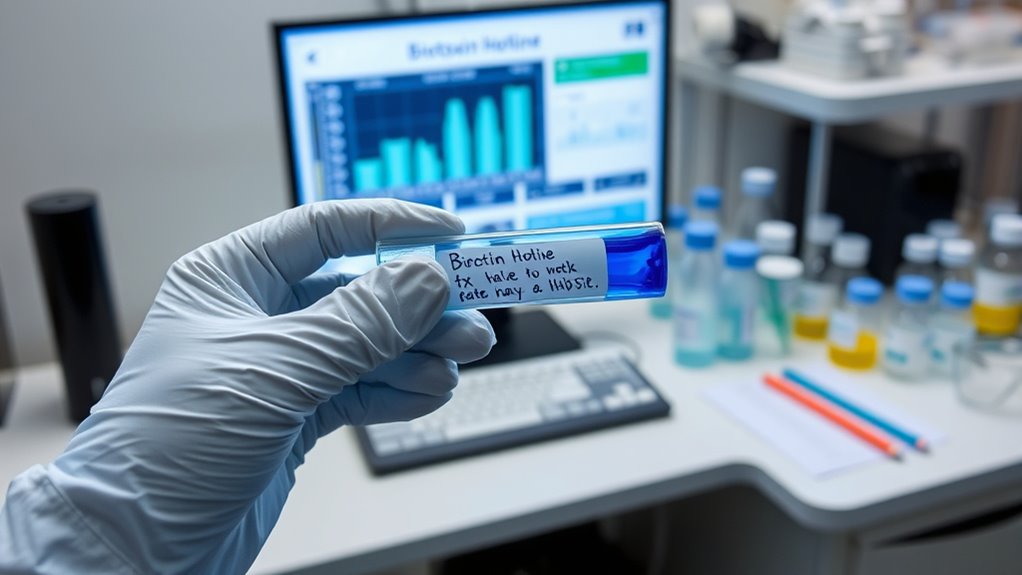
Testing plays a crucial role in guaranteeing water safety, especially if you’re harvesting seafood commercially or for personal use. Laboratory testing of water and seafood samples can detect the presence of biotoxins with high accuracy. Many testing facilities offer quick turnaround times, so you can make informed decisions about whether to proceed with harvesting. Some regions also provide online resources or local agencies that conduct routine testing, allowing you to stay updated on toxin levels. Before harvesting, always ensure that water testing has confirmed safety; don’t rely solely on visual cues, as marine toxins are invisible and don’t alter the appearance or smell of seafood. Additionally, understanding the contrast ratio of testing methods can help you evaluate their effectiveness in detecting low levels of toxins.
In addition to official testing, it’s wise to stay informed about environmental conditions that contribute to marine toxin development. Warm water temperatures, nutrient runoff, and algae blooms increase the risk of toxin production. Being proactive about water safety means paying attention to advisories, monitoring local news, and participating in community testing programs. This vigilance can protect you from unknowingly harvesting contaminated seafood, which can cause severe health issues. Remember, the key is to stay informed, utilize available hotlines, and rely on proper testing methods to guarantee the seafood you harvest is safe to eat and free from harmful biotoxins.
Frequently Asked Questions
How Often Should I Test My Seafood for Biotoxins?
You should test your seafood for biotoxins regularly, especially during seasonal variations when toxin levels can spike. The testing frequency depends on the specific shellfish and local conditions, but generally, it’s wise to test at least once every harvest or weekly during high-risk periods. Staying vigilant guarantees safe consumption, so keep track of seasonal trends and follow local testing guidelines for the best protection.
Are Biotoxin Hotlines Available Nationwide or Only in Specific Regions?
Think of biotoxin hotlines as lighthouse beacons guiding your harvest safely. They’re available nationwide, shining their light across regions, but testing accessibility can vary. In some areas, hotlines are easily reachable, offering quick advice, while others might have limited regional availability. To stay safe, check your local resources first, and remember, having access to these hotlines is key to avoiding dangerous biotoxin contamination.
What Are the Costs Associated With Biotoxin Testing?
The costs for biotoxin testing vary based on testing equipment and laboratory fees. You should expect to pay anywhere from $100 to $300 per sample, depending on the complexity of the test and the lab you choose. Some labs offer bulk discounts if you test multiple samples. It’s best to contact local testing labs directly to get precise pricing and verify you’re prepared financially before harvest.
Can I Test Seafood at Home, or Must It Be Done Professionally?
You can try DIY testing with specialized testing kits, but keep in mind they may not be as accurate as professional lab tests. These kits are designed for at-home use and can give you quick results, but for reliable, thorough safety assessments, it’s best to send samples to a certified lab. Always follow the instructions carefully to guarantee accurate results and protect your health before harvesting seafood.
How Quickly Can I Get Results From Biotoxin Testing Services?
You can typically get rapid testing results from biotoxin testing services within a few days, depending on the lab’s turnaround time. Many laboratories prioritize biotoxin analysis, offering quick results to guarantee your seafood is safe for harvest. To avoid delays, choose a reputable service known for fast turnaround times, and submit your samples promptly. This way, you can confidently proceed, knowing your seafood is free from biotoxins.
Conclusion
Before you harvest, checking biotoxin levels isn’t just smart—it’s like wielding a superhero’s shield against disaster! Imagine catching a hidden toxin invasion before it ruins your crop’s reputation forever. With hotlines and testing, you hold the power to save your harvest from catastrophe. Don’t leave your success to chance; be the hero who stops biotoxins in their tracks. Trust me, a quick check now could save your entire season from turning into a nightmare!