
Marine Protected Areas and No‑Take Zones are key tools to help conserve ocean life and make certain about healthy fisheries. These areas restrict or ban activities like fishing, mining, and drilling to protect habitats and support larger, more diverse fish populations. They act as nurseries for juvenile fish and help ecosystems recover from damage. By understanding their role, you’ll see how they promote sustainable use and preservation—discover more about their importance and benefits as you keep exploring.

Get garden gear delivered free with Prime
- Fast, free delivery on millions of items
- Prime Video, Amazon Music and more included
- Member-only deals all year
Key Takeaways
- Marine Protected Areas (MPAs) are designated zones that conserve ocean ecosystems and biodiversity by regulating human activities.
- No-Take Zones are a type of MPA where all extractive activities like fishing and mining are strictly prohibited.
- MPAs help restore fish populations, support coral reef health, and enhance biodiversity through protection and habitat preservation.
- These areas contribute to sustainable fisheries by acting as nurseries and replenishing stocks outside protected zones.
- Supporting MPAs promotes responsible marine stewardship, ecological resilience, and long-term benefits for communities and ecosystems.
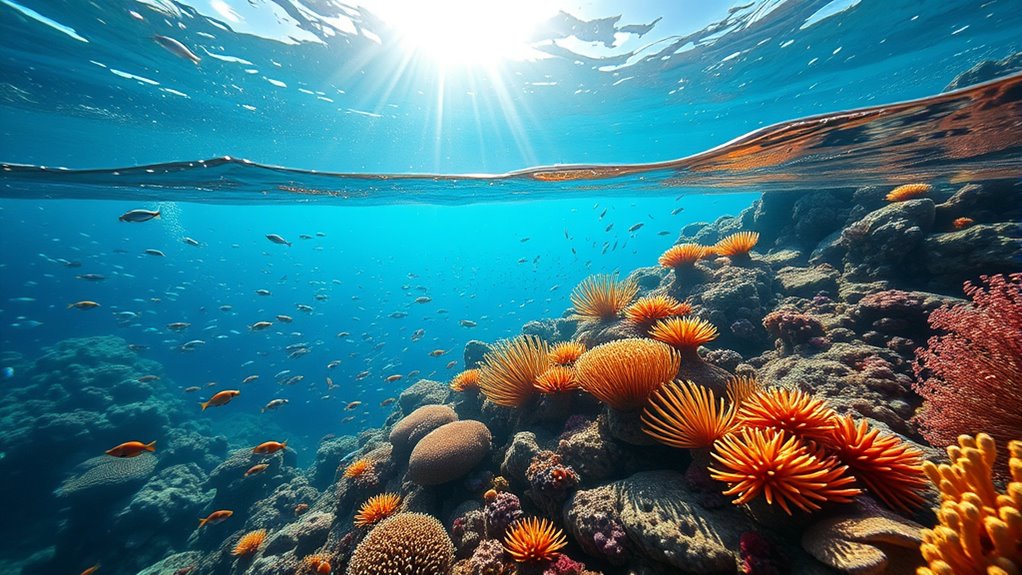
Marine Protected Areas (MPAs) and No-Take Zones are crucial tools for conserving ocean ecosystems and safeguarding marine biodiversity. When you visit these protected spots, you play a key part in supporting healthier fisheries management and the preservation of essential habitats like coral reefs. These zones restrict or eliminate human activities such as fishing, mining, and drilling, which helps reduce pressure on vulnerable marine populations and ecosystems. By establishing designated areas where fishing is limited or entirely banned, authorities aim to restore fish stocks, improve biodiversity, and ensure the resilience of marine environments. You might notice that, within these zones, fish populations tend to be larger and more diverse, which benefits both the local ecosystem and the fishing industry in the long run.
Fisheries management is a primary reason behind the creation of MPAs and No-Take Zones. Overfishing has led to the depletion of many fish species, disrupting food chains and affecting the stability of entire ecosystems. When you support or visit protected areas, you’re contributing to a sustainable approach that balances human needs with ecological health. These zones act as natural fish nurseries, allowing juvenile fish to grow and reproduce without the constant threat of fishing pressure. As a result, when fishing resumes outside the protected zones, you’ll find healthier fish populations, larger catches, and more sustainable yields. This approach ensures that future generations can enjoy the benefits of marine resources without risking their extinction.
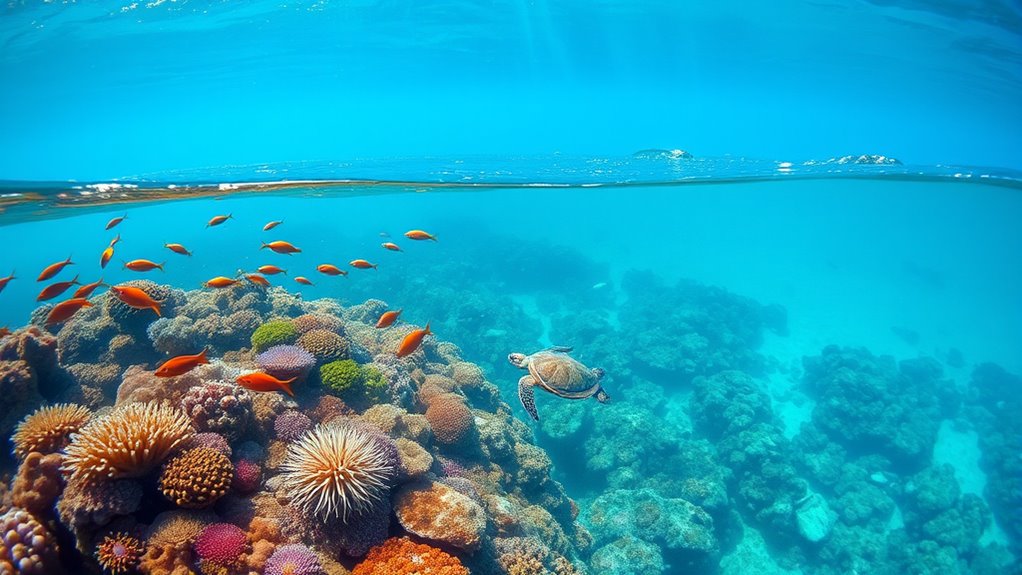
Coral reef conservation is another critical aspect of MPAs and No-Take Zones. Coral reefs are among the most diverse and productive ecosystems on Earth, but they face threats from pollution, climate change, and destructive fishing practices. When you visit these protected areas, you’re helping to safeguard these delicate habitats, which serve as breeding grounds for countless marine species. By limiting damaging activities like coral mining or anchoring on reefs, these zones allow corals to recover and thrive. Healthy reefs also provide essential services such as coastal protection and support for local communities that depend on fishing and tourism. Your support for MPAs helps ensure that coral reefs continue to flourish, maintaining their ecological functions and supporting marine biodiversity. Additionally, promoting awareness about marine protection can encourage more responsible behaviors among visitors and local stakeholders alike.
Frequently Asked Questions
How Are MPAS and No-Take Zones Enforced Locally?
You can see local enforcement of MPAs and no-take zones through patrols by rangers or authorities, regular monitoring, and clear signage. Community cooperation plays a crucial role, as locals often participate in enforcement efforts and educate visitors about restrictions. These combined efforts help guarantee compliance, protect marine habitats, and sustain fisheries. Your active involvement and support for local initiatives make enforcement more effective and foster a shared responsibility for marine conservation.
What Are the Economic Benefits for Surrounding Communities?
Imagine a thriving coastline where your community benefits immensely. By protecting marine areas, you open sustainable livelihoods through eco-tourism development, drawing visitors enthusiastic to explore vibrant reefs and abundant wildlife. This influx boosts local businesses, creates jobs, and encourages conservation. As your community embraces these benefits, the economy flourishes, ensuring a healthier environment and a prosperous future where both nature and people thrive together.
How Do MPAS Impact Commercial Fishing Industries?
You’ll find that MPAs, with their fishing restrictions, can initially reduce catch sizes for commercial fishing industries. However, by protecting marine biodiversity, these zones help replenish fish stocks outside their borders, leading to healthier ecosystems and long-term benefits. Over time, this results in increased fish populations and improved catches, benefiting the industry while ensuring sustainable use of marine resources.
Can MPAS Be Expanded or Re-Designated Over Time?
Yes, MPAs can be expanded or re-designated over time through adaptive management and stakeholder engagement. You can participate in the process by sharing your perspectives, supporting scientific assessments, and collaborating with authorities. This approach guarantees MPAs evolve based on new data and community needs, balancing conservation goals with economic interests. Active involvement helps shape effective boundaries and regulations, making sure MPAs continue to protect marine ecosystems while accommodating sustainable use.
What Are the Biggest Challenges in Establishing MPAS?
You face challenges like securing stakeholder engagement and overcoming funding issues. Building trust among diverse groups, balancing economic and environmental needs, and ensuring sustained financial support are tough hurdles. You must navigate differing priorities and secure ongoing funding, all while convincing communities and authorities of the long-term benefits. Addressing these challenges requires dialogue, collaboration, and commitment, making the process complex yet essential for successful MPA establishment.
Conclusion
By exploring marine protected areas and no‑take zones, you open a sanctuary where the ocean’s song can sing freely again. These zones act like guardians, nurturing coral castles and whispering waves, reminding you that your choices ripple through this underwater symphony. Protecting these waters isn’t just an act; it’s planting seeds in a vast, blue garden, ensuring future generations can marvel at the ocean’s endless dance—and find hope amidst its depths.
Halloween Picks
halloween
As an affiliate, we earn on qualifying purchases.