
TL;DR

Get garden gear delivered free with Prime
- Fast, free delivery on millions of items
- Prime Video, Amazon Music and more included
- Member-only deals all year
A Homes & Gardens report advises three October care steps for chrysanthemums: remove spent flowers, water at the base when the soil dries, and protect cold-sensitive plants before frost. The guidance may help extend blooms, but results depend on weather, variety and growing conditions.
A Homes & Gardens report recommends deadheading chrysanthemums, watering them at the base during dry spells and moving cold-sensitive varieties indoors before frost to help extend their October blooms. The advice comes from Plantum plant expert Marina Prokaten; how long flowers last will depend on the variety, local weather and growing conditions.
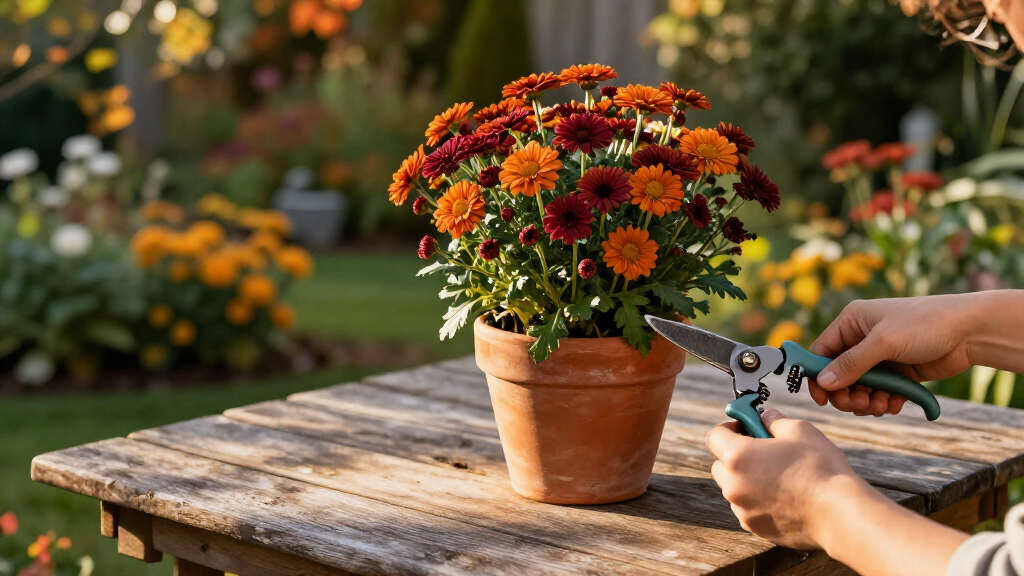
For ongoing flowering, Prokaten advises removing faded blooms and cutting away diseased or deteriorating growth. The report says gardeners can deadhead through October and continue until the first severe frost, using sharp scissors or pruning shears. Removing damaged material can also reduce places where pests and disease may develop, according to the expert.
Chrysanthemums need moisture while flowering, but the soil should not remain soggy. Prokaten recommends checking whether the top inch of soil has dried before watering, then directing water to the plant’s base, preferably in the early morning. Wet foliage can encourage fungal problems, while overwatering can contribute to root rot. The report says to keep watering through dry spells until the ground freezes, then stop until spring.
Before frost, gardeners can bring cold-sensitive varieties indoors, checking leaves and stems for pests first and keeping the plants apart from houseplants. The report says this may provide a few additional weeks of flowers. Once flowering ends, plants can be kept in a cool, dark, frost-free place, such as a garage, and cut back to about 3 to 6 inches above the soil. For hardy mums left outside, Prokaten recommends waiting until the ground has cooled or begun to freeze before applying loose mulch, such as straw or pine needles, around the base.
Three Steps for Longer Fall Blooms
October care can affect both the length of the flower display and the plants’ condition as temperatures fall. Removing spent blooms keeps the plant tidy and may encourage further flowering; careful watering supports plants still in bloom without leaving their roots waterlogged. Preparing for frost can also help gardeners avoid exposing sensitive varieties to cold before they have a chance to bring them indoors.
The practical value of the advice is that it distinguishes between plants kept indoors and hardy mums left in the garden. Moving a plant inside is not the only option: outdoor plants can be mulched for root protection after the soil cools. Neither approach guarantees a particular number of extra weeks or that every variety will survive winter, so local conditions and the plant’s hardiness matter.
garden pruning shears for deadheading chrysanthemums
As an affiliate, we earn on qualifying purchases.
As an affiliate, we earn on qualifying purchases.
Care Changes as Frost Approaches
Chrysanthemums are commonly grown in pots and garden borders for fall color. The report describes them as hardy across USDA zones 5 to 9, while also noting that cold tolerance varies among varieties. A plant’s zone rating is not a guarantee that it will keep flowering through any particular October: local frost dates, exposure and growing conditions affect what care is appropriate.
The advice is specific to the seasonal shift. While a plant is actively flowering and the soil remains unfrozen, gardeners should monitor moisture and remove faded flowers. As frost approaches, they can decide whether to shelter a sensitive plant or leave a hardy one outdoors with protection. For plants brought inside, checking for pests and isolating them from other houseplants can reduce the risk of carrying pests or disease indoors.
watering can with long spout for garden plants
As an affiliate, we earn on qualifying purchases.
As an affiliate, we earn on qualifying purchases.
Results Depend on Local Conditions
The report does not establish that these steps will double the length of every chrysanthemum display; it presents longer flowering as a possible result of fall care. It gives no controlled comparison, expected bloom extension or variety-by-variety guidance. The exact timing of watering, moving plants and adding mulch will depend on local temperatures, soil moisture and frost dates.
It is also not clear how well a particular potted or garden-grown plant will overwinter. The report’s zone range is general guidance, not confirmation that every mum in those zones will tolerate outdoor conditions. Gardeners should identify their variety where possible and respond to actual weather and soil conditions.
frost protection for potted chrysanthemums
As an affiliate, we earn on qualifying purchases.
As an affiliate, we earn on qualifying purchases.
Watch Soil and Local Frost Dates
For the rest of October, check plants regularly for fading flowers, disease and pests, and test the soil before watering. If frost is forecast, bring cold-sensitive mums indoors before temperatures fall; inspect them first and keep them separate from other houseplants. For hardy plants staying outside, wait until the ground cools before applying loose mulch around the base.
After flowering finishes, keep sheltered plants in a cool, dark, frost-free place through winter, then acclimate them outdoors in spring after frost risk has passed. The report gives no location-specific forecast or follow-up results, so the next care decision should be guided by local frost conditions and the plant’s response.
mulch straw for garden plant protection
As an affiliate, we earn on qualifying purchases.
As an affiliate, we earn on qualifying purchases.
Key Questions
Should I deadhead chrysanthemums in October?
Yes. The report cites Plantum expert Marina Prokaten advising gardeners to remove faded flowers and diseased or deteriorating growth through October, stopping at the first severe frosts.
How often should I water mums in fall?
Check the soil rather than following a fixed schedule. Prokaten recommends watering when the top inch of soil is dry, keeping moisture consistent without allowing soggy conditions. Water at the base during dry spells until the ground freezes.
Should chrysanthemums be brought inside before frost?
The report recommends moving cold-sensitive varieties indoors before the first frost. Inspect plants for pests and keep them separate from other houseplants. Hardy garden mums may instead remain outdoors with suitable root protection.
When should I mulch mums left outdoors?
For hardy garden mums, Prokaten advises waiting until the ground has cooled or begun to freeze, then placing loose, airy mulch such as straw or pine needles around the base.
Will these steps guarantee more weeks of flowers?
No. The report says indoor shelter may provide a few more weeks of blooms, but it does not establish a guaranteed extension. Results vary with the chrysanthemum variety, weather and growing conditions.
Source: rss
Halloween Picks
halloween
As an affiliate, we earn on qualifying purchases.