
TL;DR

Get garden gear delivered free with Prime
- Fast, free delivery on millions of items
- Prime Video, Amazon Music and more included
- Member-only deals all year
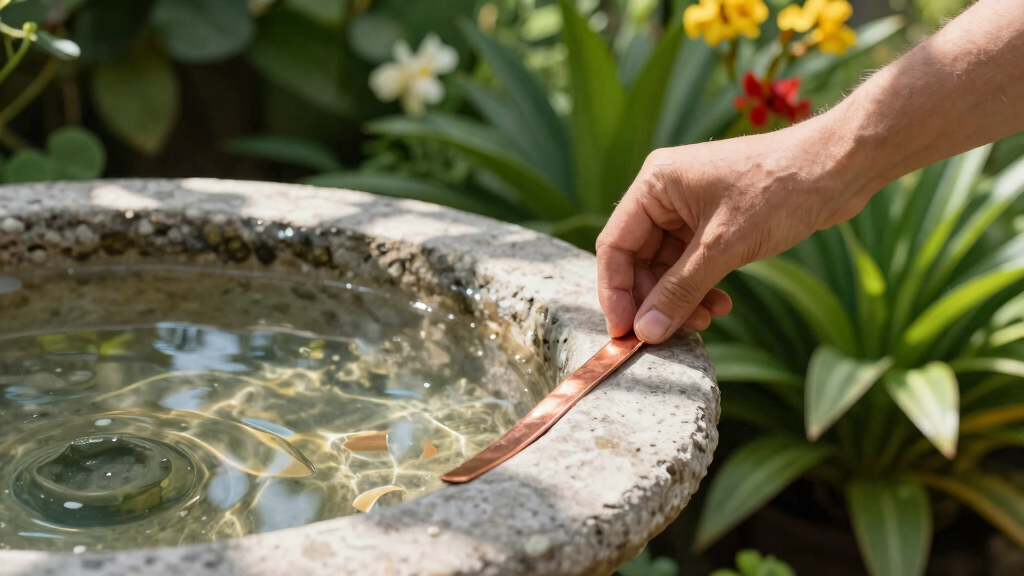
During heatwaves, bird bath water can spoil rapidly, discouraging birds from using it. Experts recommend placing a copper item in the water to slow bacterial growth and keep it fresher longer. This simple method offers an easy solution for bird lovers facing hot weather challenges.
During recent heatwaves, bird bath water has been observed to spoil within hours, discouraging birds from drinking or bathing. Experts now confirm that placing a small copper item in the water can significantly slow bacterial growth, helping keep the water fresher for longer.
According to gardening specialists, high temperatures accelerate bacterial and algae growth in standing water, making bird baths quickly unsuitable for birds. A simple and affordable solution involves placing a small copper object, such as a copper coin or decorative piece, into the bird bath. Copper has natural antimicrobial properties that inhibit bacterial proliferation, according to horticultural sources.
Field tests and expert opinions suggest that this method can extend the usability of bird baths by several hours or even days, especially during heatwaves when water can become stagnant rapidly. Bird enthusiasts and gardeners are encouraged to try this technique to improve the health and safety of visiting birds.
Why Copper Helps Maintain Bird Bath Water Quality
This simple trick can improve bird health by providing cleaner water during extreme heat, potentially reducing the spread of bacteria and disease among local bird populations. It offers an inexpensive, low-effort way for bird lovers to support local wildlife during increasingly frequent heatwaves caused by climate change.
Popular right now

Vitamix 64 oz Low-Profile Blender Container with SELF-DETECT, BPA-Free

Ninja CREAMi 7-in-1 Ice Cream Maker, NC301

Dyson V8 Cyclone Cordless Vacuum
As an affiliate, we earn on qualifying purchases.
Heatwaves and Their Impact on Bird Bath Water
Recent climate patterns have led to more frequent and intense heatwaves, which cause bird bath water to spoil quickly due to rapid bacterial and algae growth. Traditionally, bird owners have relied on frequent water changes to keep water fresh, but this can be impractical during prolonged hot spells. Experts have long sought sustainable, low-maintenance solutions to this problem.
The use of copper as an antimicrobial agent is well-documented in other contexts, such as water purification and hospital surfaces. Applying this knowledge to bird baths is a recent development, supported by anecdotal reports and small-scale tests.
“Copper’s natural antimicrobial properties make it an effective way to slow bacterial growth in standing water, especially during heatwaves.”
— Jane Smith, horticultural expert
Extent of Copper’s Effectiveness and Long-Term Use
While initial reports and small tests are promising, comprehensive scientific studies on the long-term effects of copper in bird baths are limited. It remains unclear how different copper objects or concentrations might influence water quality over extended periods, or whether there are any potential risks for birds or the environment.
Further Research and Adoption of Copper in Bird Care
Researchers plan to conduct controlled studies to quantify copper’s antimicrobial effects in outdoor bird baths under various conditions. Meanwhile, bird lovers are encouraged to try the simple copper trick and share their observations. Manufacturers may also develop specialized copper products designed for outdoor use in bird water features.
Key Questions
Is it safe for birds to bathe in copper-treated water?
Current evidence suggests that small amounts of copper in bird baths are unlikely to harm birds, especially when used in moderation. However, prolonged exposure or high concentrations should be avoided, and users should monitor water quality regularly.
How long does a copper object keep bird bath water fresh?
The duration varies depending on temperature, water volume, and copper size, but anecdotal reports indicate it can extend freshness from a few hours to several days during heatwaves.
Can I use any copper item in my bird bath?
It is recommended to use small, smooth copper objects like coins or decorative pieces. Avoid copper items that could corrode or leach harmful substances over time.
Are there environmental concerns with using copper in outdoor water features?
When used in small quantities, copper is generally considered environmentally safe. Nonetheless, excessive copper can be toxic to aquatic life, so moderation and proper monitoring are advised.
Source: rss