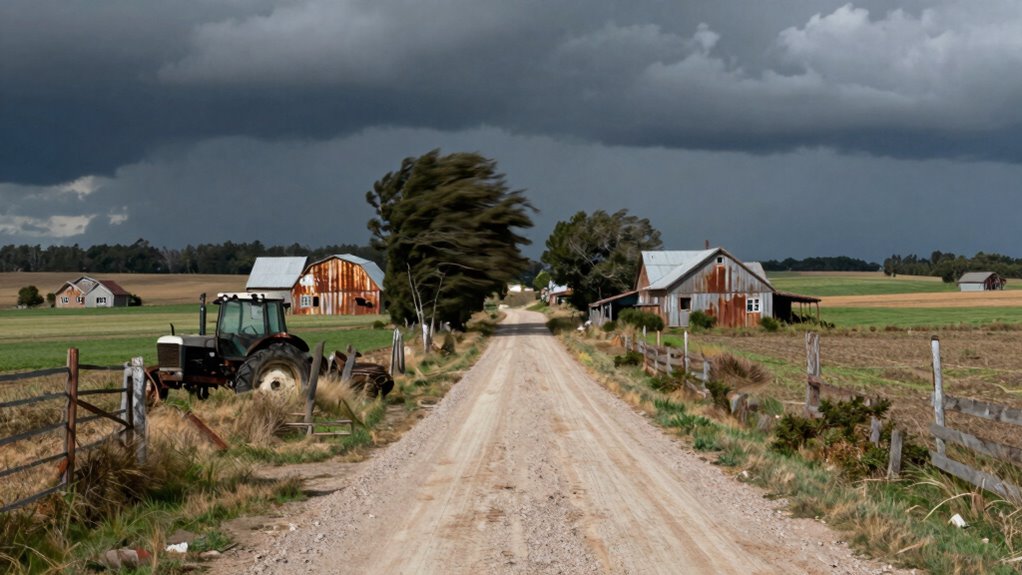

Living in a rural area means facing unique emergency risks you might not expect. Limited cell towers and distant services can slow help, while wildlife encounters like bears and mountain lions add safety concerns. Longer response times and fewer evacuation routes make preparedness crucial. Ensuring reliable communication tools, developing emergency plans, and understanding local hazards are essential for staying safe. If you wanna know more about these challenges and how to prepare, keep exploring these critical issues.

Get garden gear delivered free with Prime
- Fast, free delivery on millions of items
- Prime Video, Amazon Music and more included
- Member-only deals all year
Key Takeaways
- Limited cell tower coverage and infrastructure increase communication challenges during emergencies.
- Wildlife encounters are more common and require specific safety precautions.
- Longer response times from emergency services demand comprehensive self-reliance planning.
- Wildfires and storms can spread rapidly with fewer evacuation options available.
- Reliable emergency devices and well-practiced plans are essential for rural crisis management.
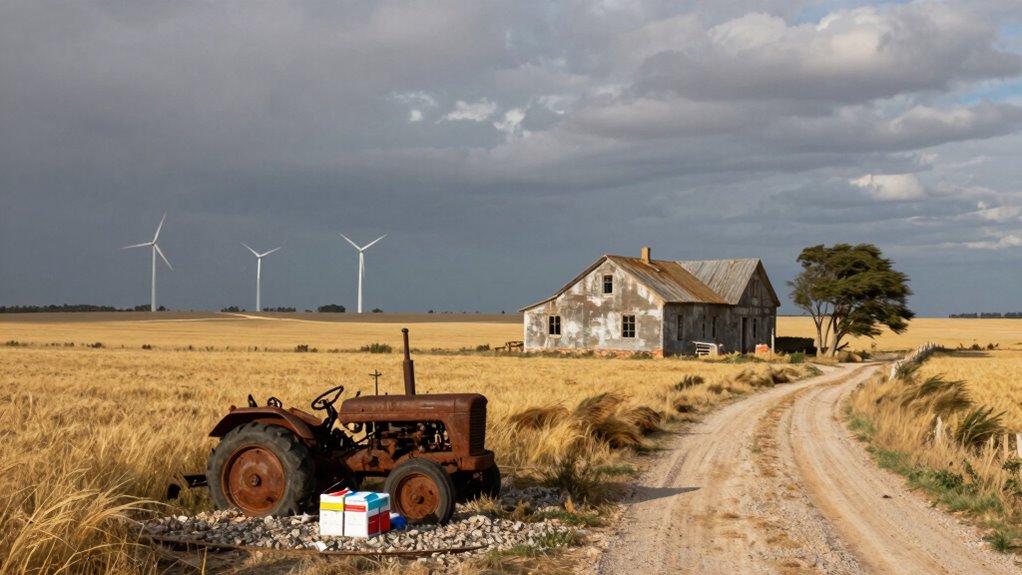
Rural communities face unique preparedness risks that often go overlooked compared to urban areas. While many focus on natural disasters like storms or floods, you also need to evaluate challenges specific to less populated regions. Emergency communication can be complicated in rural areas because cell towers are fewer and farther between, making it harder to stay connected during a crisis. If a disaster strikes, you could find yourself isolated without reliable ways to call for help or receive updates. Having alternative communication methods, such as satellite phones or emergency radios, becomes essential. These tools guarantee you can stay informed and reach emergency services, even when traditional networks fail.
Rural areas face unique risks like limited communication and longer emergency response times, requiring special preparedness strategies.
Another significant risk in rural settings is wildlife encounters. Unlike city dwellers, you’re more likely to share your environment with animals like bears, mountain lions, or wolves. While most wildlife tends to avoid humans, their presence can turn dangerous during emergencies or if they’re habituated to human food. It’s imperative to secure food supplies and trash to reduce attractants that might lure animals into your home or campsite. Additionally, knowing how to respond if you encounter a wild animal can prevent injuries and escalate situations. Carrying bear spray and understanding wildlife behavior goes a long way in keeping you safe.
Beyond wildlife, the vast distances between homes and emergency services pose another risk. In a rural setting, medical help, fire services, or police may take longer to arrive, especially during a widespread disaster. Preparing your home with safety equipment, first aid supplies, and emergency kits ensures you’re ready to handle minor injuries or issues until help can reach you. You should also develop a family emergency plan that accounts for these longer response times, including designated meeting points and communication strategies. Emergency planning is crucial to ensure everyone knows their roles and responsibilities during a crisis. Additionally, understanding rural infrastructure can help you better prepare for potential delays and obstacles in reaching assistance. Building a contingency plan for emergencies that considers these factors can significantly improve your resilience.
Furthermore, natural hazards like wildfires and severe storms can move quickly through rural areas, often with less warning. Because these regions tend to have more open land and brush, the fire risk can be higher, and evacuation routes may be limited or poorly marked. Staying informed through local alerts and having a clear evacuation plan is crucial. You need to regularly review your emergency communication plan and make sure everyone in your household knows what to do. Additionally, understanding Gadget Reviews and Tech Tips can help you select reliable emergency communication devices suited for rural conditions.
Frequently Asked Questions
How Does Rural Preparedness Differ During Urban and Rural Emergencies?
During urban emergencies, you often have quicker access to resources and emergency services. In rural areas, you face remote isolation and resource scarcity, making response times longer and supplies harder to get. You need to plan for limited communication, transportation challenges, and fewer nearby facilities. Preparing for these differences means stocking extra supplies, establishing communication plans, and knowing how to manage emergencies with limited resources.
What Role Does Community Cohesion Play in Rural Disaster Response?
Like an unbreakable chain, community cohesion strengthens rural disaster response. Your community trust and social networks are essential, enabling quick information sharing and coordinated efforts. When residents believe in each other, they act swiftly and supportively, much like the camaraderie of ancient patrols. This collective resilience ensures resources are pooled efficiently, and recovery begins sooner, making your community more resilient against the unique risks rural emergencies bring.
Are Rural Areas More Vulnerable to Cyberattacks?
Yes, rural areas are more vulnerable to cyberattacks because they often have weaker digital defenses and fewer resources dedicated to cybersecurity. Cyber vulnerabilities in these communities can be exploited more easily, leading to disruptions in critical services like healthcare, utilities, and communication networks. To protect yourself, invest in stronger digital defenses, stay informed about cyber threats, and encourage community-wide cybersecurity awareness to reduce risks effectively.
How Does Limited Infrastructure Impact Rural Emergency Planning?
Like Atlas bearing the world, your rural area faces heavy logistical challenges. Limited infrastructure hampers emergency planning by restricting communication, transportation, and resource distribution. You might struggle to quickly mobilize aid or reach isolated communities, increasing vulnerability during crises. These resource limitations mean you must prioritize resilient, adaptable strategies, forging strong local networks and creative solutions to overcome obstacles, ensuring safety even when traditional systems falter.
What Unique Health Risks Do Rural Residents Face During Disasters?
You face unique health risks during disasters, mainly due to limited healthcare access. You might struggle to get timely medical care or emergency services because of fewer providers and long travel distances. Additionally, shortages of medical supplies can leave you vulnerable to infections or untreated injuries. These challenges make it essential for rural residents to have personalized emergency plans, including stocked supplies and alternative healthcare options.
Conclusion
As you consider rural preparedness, remember that the landscape of risks can often hide in plain sight, gently reminding you to stay vigilant. Embrace the quieter challenges with a calm and proactive mindset, knowing that being prepared isn’t just about avoiding trouble but about nurturing resilience in unforeseen moments. By paying attention to these subtle signals, you’ll be better equipped to navigate whatever comes your way, turning potential hurdles into opportunities for strength and growth.
Halloween Picks
halloween
As an affiliate, we earn on qualifying purchases.