
Start by focusing on essential communication tools like battery-powered radios and keeping extra batteries, so you stay connected during emergencies. Next, gather simple water purification options like tablets or DIY filters to guarantee safe drinking water. Gradually add basic first aid supplies and non-perishable food, practicing routines regularly. Prioritize affordable, reliable items and expand your kit over time. If you continue exploring, you’ll discover more practical steps to build your preparedness from scratch effectively.

Get garden gear delivered free with Prime
- Fast, free delivery on millions of items
- Prime Video, Amazon Music and more included
- Member-only deals all year
Key Takeaways
- Start by acquiring reliable communication devices like radios and extra batteries for essential connectivity.
- Focus on basic water purification methods such as boiling or tablets before expanding supplies.
- Gradually build your kit with first aid, non-perishable food, and protective gear over time.
- Learn local natural resources and simple survival skills to maximize resourcefulness cost-effectively.
- Regularly practice routines and review plans to build confidence and ensure preparedness.
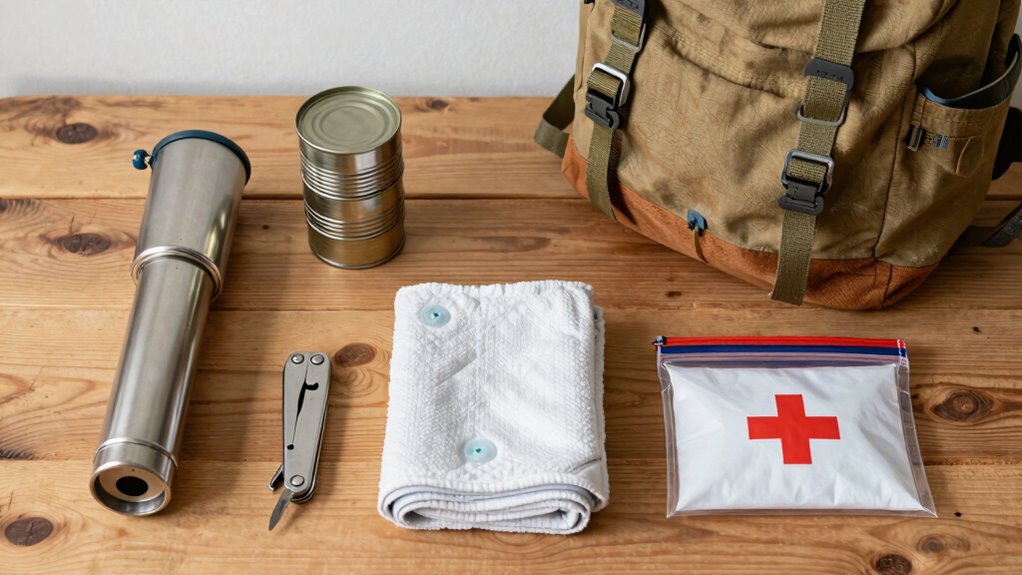
Are you overwhelmed by the thought of preparing for emergencies without breaking the bank? It’s understandable—stockpiling supplies, acquiring skills, and staying informed can seem costly and complicated. But with a strategic approach, you can build a solid preparedness plan without draining your wallet. Start by focusing on essentials that keep you safe and connected, such as emergency communication tools and water purification methods. These are the foundation of any emergency kit, and investing in them early ensures you’re ready for most situations.
Emergency communication is critical, especially during a crisis when conventional channels might fail. You don’t need the latest high-tech gadgets; simple options like a battery-powered or hand-crank radio provide vital information about weather alerts, emergency instructions, or community updates. Keep a set of extra batteries or consider rechargeable options to extend usability. A basic two-way radio can be a lifesaver, and they often come at affordable prices. Writing down important contacts, local shelters, and emergency plans also ensures you’re prepared to communicate, even if electronic devices are compromised. Remember, effective communication keeps you connected to help and loved ones, so prioritize these tools. Additionally, practicing how to use your communication devices regularly can improve your response time during emergencies.
Prioritize simple, reliable emergency radios and keep important contact info to stay connected when devices fail.
Water purification is another vital component of preparedness that doesn’t have to be expensive. Clean drinking water is essential, and there are simple, cost-effective ways to ensure your supply remains safe. Basic water purification tablets or drops can be purchased for a few dollars and are easy to use in an emergency. You can also create a DIY water filter using common household items—such as a plastic bottle, activated charcoal, gravel, and cloth—to remove debris and some bacteria. Boiling water remains one of the most effective methods; all you need is a pot and a heat source. Stockpiling a few gallons of water in your home is smart, and rotating your supply helps prevent spoilage. Learning these simple purification techniques allows you to maintain a steady, safe water source without significant expense. Additionally, understanding the importance of biodiversity can help you identify local natural resources that might assist in survival situations, such as edible plants or clean water sources in your environment. Exploring local natural resources can further enhance your preparedness by expanding the options available for finding safe water and food in an emergency. Developing a basic knowledge of survival skills can also help you utilize the environment around you more effectively, especially when resources are limited. Incorporating knowledge about local ecosystems can empower you to recognize and utilize resources that are often overlooked but vital in emergencies.
Building your preparedness plan step-by-step ensures you don’t feel overwhelmed. Focus on acquiring essential items like emergency communication tools and water purification supplies first. As your budget allows, expand your kit with additional resources, such as first aid supplies, non-perishable food, and personal protective gear. Being consistent and pragmatic in your approach means you’ll develop confidence and resilience over time. Preparedness doesn’t have to mean expensive or complicated; it’s about making smart choices, staying informed, and practicing good habits. Starting small and building from a solid base ensures you’re ready for emergencies without unnecessary stress or financial strain.
Popular right now

Bose QuietComfort True Wireless Earbuds with Active Noise Cancellation, Bluetooth 5.3, USB-C Charging, and IPX4 Water Resistance

Samsung 65-Inch Class M70H Series 4K Mini LED Smart TV (2026)

iRobot Roomba 105 Combo Robot Vacuum & Mop with AutoEmpty Dock
As an affiliate, we earn on qualifying purchases.
Frequently Asked Questions
How Do I Prioritize Items for My Emergency Kit?
You should prioritize items that guarantee safety protocols and address basic needs first, like water, food, and first aid supplies. Then, focus on resource management tools like flashlights, batteries, and hygiene items. Consider your family’s specific needs, such as medication or special equipment. By organizing your kit around safety and essential resources, you’re better prepared for emergencies, making sure you can handle unexpected situations efficiently and confidently.
What Are the Best Budget-Friendly Sources for Survival Gear?
You can find affordable camping and DIY survival gear at thrift stores, discount retailers, and online marketplaces like eBay or Facebook Marketplace. Look for multi-use items and repurpose household goods to save money. Check out outdoor clearance sales and seasonal discounts to get quality gear at lower prices. These sources help you build a reliable, budget-friendly emergency kit without sacrificing safety or preparedness.
How Often Should I Review and Update My Preparedness Plan?
In the age of dial-up, you should review and update your preparedness plan at least once a year. Regularly, say every six months, perform a risk assessment to identify new threats and gaps. Engage your community in training sessions, which helps refine strategies and keeps everyone prepared. Staying proactive guarantees you’re ready for unexpected events, making your plan as reliable as a vintage typewriter in a modern office.
Are There Affordable Ways to Learn Survival Skills?
Yes, you can learn survival skills affordably through online resources, affordable courses, or DIY training. Look for free or low-cost classes offered by community centers or local organizations, and explore YouTube tutorials for practical tips. Practice skills like fire-starting, water purification, or basic first aid at home. Combining these methods helps you build essential skills without breaking the bank, making preparedness accessible and budget-friendly.
How Can I Involve Family Members in Budget Preparedness Planning?
You can involve your family in budget preparedness planning by encouraging shared planning sessions where everyone contributes ideas and skills. Make it fun by assigning simple tasks and setting achievable goals together. Use family participation to foster a sense of ownership, ensuring everyone stays engaged and motivated. This collaborative approach not only strengthens your preparedness but also builds teamwork and resilience within your family unit.
Conclusion
Now that you’ve laid the foundation with your budget-friendly plan, the real test begins. Will your preparations withstand unforeseen challenges? Every step you take from here could mean the difference between staying safe or facing chaos. The clock is ticking, and your next move is essential. Stay vigilant, adapt as needed, and remember: the true test of preparedness starts when the unexpected strikes. Are you ready to see how far your plans will go?