
TL;DR
Gardening Know How reports that planting garlic cloves about 4 inches deep—rather than the traditional 1 to 2 inches—may help produce larger bulbs, provided the soil is loose and drains well. The advice also calls for planting large cloves, allowing enough fall root growth, spacing plants 6 inches apart and watering during spring and early-summer dry spells.
Gardening Know How recommends planting garlic cloves about 4 inches deep—deeper than the traditional 1-to-2-inch rule—in loose, well-drained soil to encourage root growth and potentially produce larger bulbs. The advice matters to home growers because the same depth can be risky in heavy, wet ground, where cloves may rot or shoots may struggle to emerge.
The report says an extra couple of inches of soil can help insulate cloves from cold and reduce frost heaving, which can push shallow-planted cloves out of the ground. Its explanation is that roots can continue growing for longer before freezing conditions halt them; a stronger root system may then support spring growth. The article presents this as gardening guidance, not a guarantee of a particular bulb size.
Soil drainage is the condition behind the deeper-planting advice. Gardening Know How recommends using a raised bed or naturally free-draining soil and improving structure with compost. It warns that dense, wet soil can lead to rot, and that shoots in heavy soil may use energy pushing through it rather than developing bulbs. For poorer or heavily used soil, the report suggests replenishing nutrients with a slow-release fertilizer high in phosphorus.
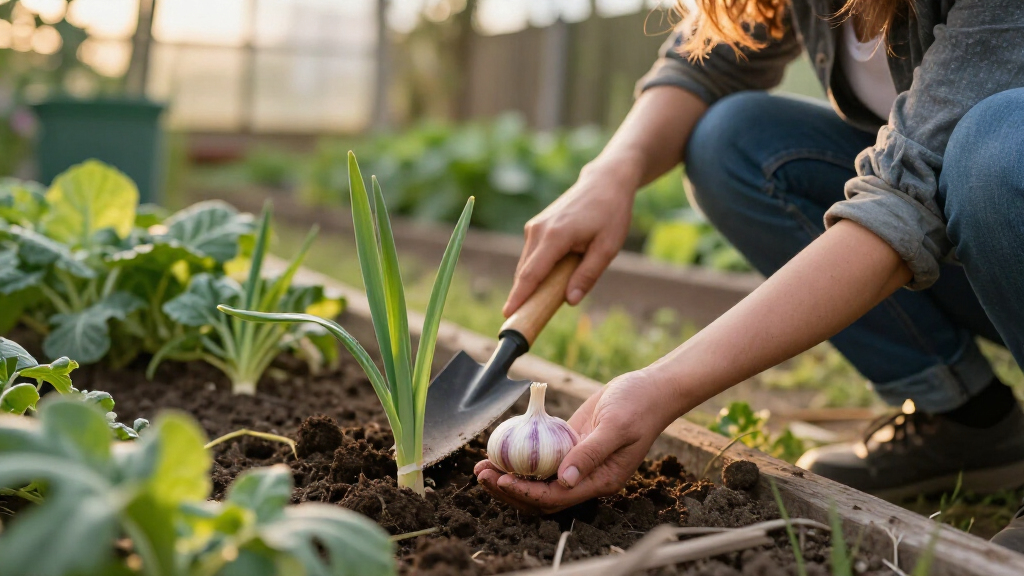
The practical steps include planting around three weeks after the first frost, adjusted for local conditions, and choosing the largest cloves from a bulb. The report suggests placing cloves pointy end up, about 4 inches deep and 6 inches apart. It also advises watering during dry spells in spring and early summer while bulbs swell, then reducing watering when foliage begins to yellow. These recommendations are general; local climate, variety and soil conditions affect results.
Deeper Planting Depends on Drainage
The recommendation offers beginner gardeners a clear change to try, but it also sets a firm limit: depth alone is not the method. In well-drained soil, deeper planting may protect cloves from cold and frost heaving while roots establish. In waterlogged or compacted ground, the same practice could increase the chance of cloves rotting or make emergence more difficult.
That distinction helps readers avoid treating a single planting measurement as universal. The report links larger bulbs to several conditions working together: healthy roots, suitable soil, large starting cloves, adequate spacing and spring moisture. Its claim that the approach can yield plumper bulbs should be understood as horticultural advice, not a measured result applying to every garden.
As an affiliate, we earn on qualifying purchases.
How the Planting Advice Changes
The conventional rule cited by Gardening Know How is to plant garlic cloves 1 to 2 inches deep. The report says that rule developed when more gardeners planted in ground that stayed wet through winter, making rot a greater concern. Its alternative is intended for loose, free-draining soil, including raised beds or ground improved with compost.
Timing also varies by climate. The report suggests October planting in USDA zones 1 to 6, late October in zones 7 to 8, and potentially November in zones 9 to 10, while describing roughly three weeks after the first frost as a general guide. It says many garlic varieties need an 8-to-10-week period below 45 degrees Fahrenheit to trigger bulb formation. For zones 10 and warmer, it recommends chilling garlic in a paper bag or lidded jar in a refrigerator for a couple of months before planting. These are recommendations from the report, not a substitute for variety-specific or local growing advice.
“The sweet spot to plant garlic cloves for big bulbs is around three weeks after your first frost, depending on your USDA zone.”
— Gardening Know How
As an affiliate, we earn on qualifying purchases.
Results Depend on Garden Conditions
The report does not provide trial data, a named study or a quantified comparison showing how much larger bulbs become with 4-inch planting. It says larger cloves grow larger bulbs and describes deeper planting as a route to plumper harvests, but the size of any benefit is not specified. Gardeners should treat the expected result as conditional rather than guaranteed.
Outcomes can vary with drainage, winter temperatures, garlic variety, planting date, soil fertility and watering. The report does not give a single planting schedule that will fit every location, nor does the supplied material include the full recommendations for warm-climate varieties. Gardeners in wet or heavy soil should not assume that planting deeper is appropriate.
As an affiliate, we earn on qualifying purchases.
Check Soil Before Planting
Before planting, gardeners can assess whether their bed drains freely and loosen or amend it with compost where appropriate. They can then select large cloves, check local frost timing and the needs of their garlic variety, and use the report’s 4-inch depth only where soil conditions suit it. Keep plants about 6 inches apart, and monitor soil moisture during bulb development.
The next meaningful test is the harvest: growers can compare bulb size and condition with their own previous crops, while accounting for differences in variety, weather and care. The report offers no follow-up trial or forecast for a specific harvest, so whether the method produces larger bulbs in an individual garden remains to be seen.
garden soil drainage improvement kit
As an affiliate, we earn on qualifying purchases.
As an affiliate, we earn on qualifying purchases.
Key Questions
How deep should garlic cloves be planted according to the report?
Gardening Know How recommends planting cloves about 4 inches deep in loose, well-drained soil. It contrasts this with the traditional 1-to-2-inch depth and cautions against the deeper method in heavy, wet ground.
Why might deeper planting help garlic?
The report says additional soil can insulate cloves from cold and reduce frost heaving, giving roots more time to grow. It argues that stronger roots can support spring growth, but does not quantify the expected increase in bulb size.
Can I plant garlic 4 inches deep in heavy soil?
The report advises against deeper planting in heavy or poorly drained soil, where cloves may rot and shoots may have difficulty pushing through. It recommends raised beds or naturally free-draining soil for this approach.
When should garlic be planted?
The article gives around three weeks after the first frost as a broad fall guide, with dates varying by USDA zone. Local conditions and the garlic variety matter, so the listed dates should not be treated as universal.
What else does the report recommend for larger bulbs?
It recommends choosing the largest cloves, spacing them about 6 inches apart, preparing fertile soil and watering during dry spells as bulbs swell in spring and early summer. It says to reduce watering when foliage begins to yellow.
Source: rss