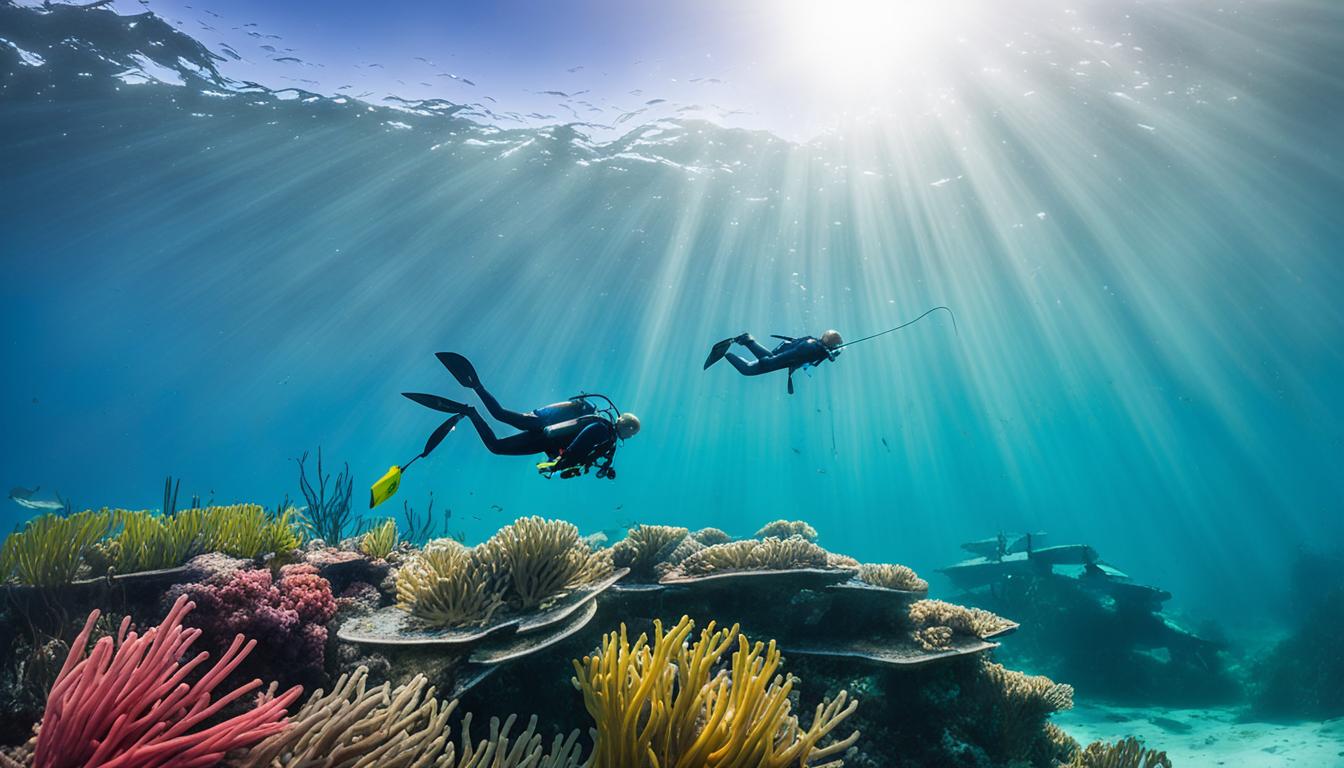
To find fish effectively, pay attention to currents and eddies, as they shape the underwater scene and guide bait and predators to specific spots. Watch for areas where bait balls gather, often near underwater structures, drop-offs, or reef edges that slow or funnel water flow. Recognizing how tides influence bait movement and how features create turbulence can help you locate feeding hotspots. Keep exploring to discover more about these dynamic underwater patterns and increase your chances of a successful catch.

Get garden gear delivered free with Prime
- Fast, free delivery on millions of items
- Prime Video, Amazon Music and more included
- Member-only deals all year
Key Takeaways
- Recognize that eddies and current edges concentrate bait, forming predictable feeding hotspots for predator fish.
- Use underwater topography to identify areas where currents slow, creating bait ball aggregation zones.
- Monitor tide changes to predict bait movement and locate optimal fishing spots at high or low tide.
- Observe bait ball formation as an indicator of nearby predator activity fueled by current-driven bait congregations.
- Understand flow patterns to target areas with turbulence and eddies that attract bait and attract feeding fish.

Currents and eddies shape the underwater environment in dynamic and powerful ways, influencing the movement of marine life and the formation of bait balls. To find where the fish are, you need to pay close attention to tide patterns. Tides dictate how water moves through the ocean, creating predictable flows that attract certain species at specific times. As the tide rises or falls, it pushes nutrients, plankton, and baitfish along particular routes, guiding predators toward feeding hotspots. Recognizing these patterns helps you anticipate where bait balls might form, especially around areas where the tide moves swiftly or slows down. For example, during a rising tide, bait tends to be pushed into shallow flats or around structures, drawing predatory fish to feast. Conversely, during a falling tide, bait often concentrates in deeper channels or along drop-offs, making these prime spots to target.
Equally important is underwater topography, which shapes how currents flow and where bait balls gather. Reef edges, underwater ridges, and drop-offs act as natural funnels, directing water movement and trapping bait in specific zones. When you understand how topography influences water flow, you can predict where bait balls are likely to form. For instance, fish often gather around rocky outcroppings or wrecks, where currents slow down and bait congregates. These spots become magnets for larger predator fish, giving you a valuable clue about where to cast your line. Pay attention to the contours on your fish finder; these are often where bait balls and feeding fish cluster. The shape and depth of the underwater landscape create eddies and zones of turbulence that concentrate bait, making them ideal targets for your next cast. Additionally, understanding marine current patterns can greatly enhance your fishing success by helping you target areas with high bait activity.
Frequently Asked Questions
How Do Seasonal Changes Affect Marine Current Patterns?
Seasonal changes cause significant shifts in marine current patterns due to ocean temperature variations. You’ll notice that in summer, warmer waters strengthen surface currents, while in winter, cooler temperatures weaken them or change their directions. These seasonal current shifts influence fish migration and bait ball formations, helping you locate fish more effectively. Staying aware of these patterns allows you to adapt your fishing strategies throughout the year for better results.
What Are the Best Tools to Detect Bait Balls Underwater?
To detect bait balls underwater, you should use an underwater sonar or fish finder. These tools emit sound waves that bounce back when they hit dense bait clusters, creating clear images on your screen. Opt for a high-frequency fish finder for better detail, especially in shallow waters. Regularly adjust sensitivity settings to distinguish bait balls from other structures, ensuring you locate the bait efficiently and improve your chances of catching fish.
How Do Eddies Influence the Migration Routes of Fish?
Eddies influence fish migration routes by creating localized food sources and affecting magnetic navigation. As fish detect these changes, they use magnetic cues to follow safe pathways and avoid predators. You’ll notice fish often travel along eddy edges, where bait balls gather. These areas offer both feeding opportunities and safer routes, guiding fish in their seasonal migrations and helping them evade predators effectively.
Can Weather Forecasts Predict Changes in Currents and Eddies?
Imagine you’re tracking a fishing spot, and satellite imagery reveals a sudden eddy formation. Weather forecasts, combined with oceanographic models, can predict changes in currents and eddies. These tools analyze wind patterns and sea surface temperatures, helping you anticipate shifts. While not always perfect, they provide valuable insights into ocean dynamics, enabling you to plan your trip better and increase your chances of catching fish.
What Are the Signs of Fish Activity Around Bait Balls?
You’ll notice fish activity around bait balls when seabirds are circling keenly above, diving repeatedly. Look for sudden splashes or darting movements near the water’s surface, signaling feeding fish. Plankton blooms often attract bait, which in turn draws larger fish, so dense bait balls accompanied by increased bird activity are key signs. These indicators help you locate feeding fish actively chasing prey, boosting your chances of a successful catch.
Conclusion
By understanding currents, eddies, and bait balls, you can spot prime fishing spots. Some might think these signs are only useful for professional anglers, but even beginners can learn to read the water’s clues. It’s not about perfect knowledge; it’s about paying attention and practicing. With patience, you’ll start noticing patterns, boosting your chances of success. So, don’t get discouraged—trust your instincts and keep exploring the water’s hidden secrets.
Fall yard work Picks
leaf blowers
As an affiliate, we earn on qualifying purchases.