
To keep your pets safe, be aware of wild plants with toxic berries or sap, like holly, yew berries, mistletoe, and bleeding heart. These plants can cause vomiting, diarrhea, skin irritation, or even more severe health issues if ingested or touched. Regularly inspect your yard and remove or fence off risky plants, and supervise pets outdoors. Staying informed on common hazards can help prevent emergencies—continue to learn which plants pose the greatest risks to your pets.

Get garden gear delivered free — and shop member deals
- Fast, free delivery on millions of items
- Access to Prime Big Deal Days deals on October 6–7
- Prime Video, Amazon Music and more included
Key Takeaways
- Many wild plants produce attractive berries that can cause vomiting, diarrhea, or more severe poisoning in pets.
- Yew berries are highly toxic and can be fatal if ingested by animals.
- Sap from plants like poinsettias or bleeding hearts can irritate the skin and oral tissues of pets.
- Wild plants with sticky or milky sap pose ingestion risks leading to stomach upset or vomiting.
- Regularly inspect and remove or fence off toxic wild plants from your yard to keep pets safe.
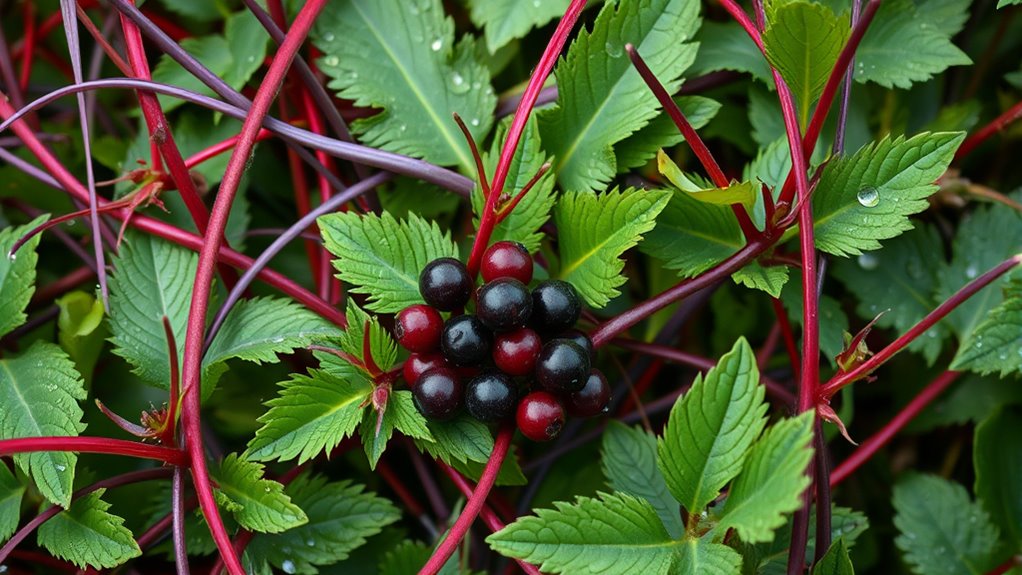
Wild plants can be beautiful additions to your yard, but some pose serious risks to your pets. It’s essential to recognize which plants can harm your furry friends so you can keep them safe. Many wild plants produce features that look appealing but hide dangerous properties, such as poisonous berries or toxic sap. These can cause serious health issues if ingested or even touched, so understanding what to watch for is vital.
Poisonous berries are a common hazard in wild plants. Plants like holly, yew, and mistletoe produce bright, attractive berries that might seem tempting to your pets. Dogs and cats often nibble on anything that catches their eye, especially if they’re curious or bored. When they eat these berries, it can lead to vomiting, diarrhea, drooling, or more severe symptoms like difficulty breathing or seizures. Holly berries, for instance, contain substances that can irritate the gastrointestinal tract and cause nausea. Yew berries, on the other hand, are highly toxic and can be fatal if ingested in significant amounts. Even though mistletoe berries are small, they contain toxins that can cause abdominal pain and cardiovascular issues.
In addition to berries, many wild plants secrete toxic sap that can pose a danger to your pets. Toxic sap is often found in plants like poinsettias, bleeding hearts, or certain wild trees. If your pet chews on or scratches these plants, they may get the sap on their skin or fur. Contact with this sap can lead to skin irritation, redness, or swelling. If they lick the sap off their fur or paws, it can cause oral irritation, drooling, or stomach upset. Some plants with milky or sticky sap contain compounds that interfere with your pet’s digestion or blood circulation. For example, the sap from some wild trees contains irritants that can cause vomiting or abdominal pain if ingested. Additionally, certain eco-friendly living practices, such as maintaining a healthy landscape, can help prevent the growth of invasive or toxic plants in your yard.
To safeguard your pets, you’ll need to identify these risky plants and take steps to prevent access. Regularly inspect your yard for wild plants that produce poisonous berries or secrete toxic sap. If you spot any, consider removing them or fencing off areas where they grow. Keep a close eye on your pets when they’re outside, especially during seasons when these plants are in fruit or bloom. Training your pets not to chew on unfamiliar plants can also help. Remember, what looks harmless or attractive to you might be deadly to your pet, so awareness and vigilance are your best tools for preventing accidental poisoning.
Frequently Asked Questions
Which Wild Plants Are Most Deadly to Dogs?
You should watch out for wild plants like foxglove, which contains poisonous berries that can cause heart issues in dogs. Also, avoid plants with toxic roots, such as certain wild hemlock, as ingestion can lead to severe poisoning. Keep your dog away from these dangerous plants, especially if they tend to chew or eat unknown greenery during walks or in your yard. Prevention is key to keeping your furry friend safe.
Can Cats Be Harmed by These Wild Plants?
Yes, cats can be harmed by these wild plants. Their plant toxicity varies, and some plants that are dangerous to dogs are equally harmful to cats. You need to prioritize pet safety by identifying and removing toxic wild plants from your yard. Always stay alert, educate yourself about plant toxicity, and monitor your cats closely when outside. This proactive approach helps make certain your pets remain safe and healthy.
How Can I Identify Toxic Wild Plants in My Area?
You can identify toxic wild plants in your area through plant identification apps, field guides, or local extension services. Look for distinctive features like leaf shape, flower color, and growth patterns to accurately identify plants. Always prioritize foraging safety by double-checking your identifications before handling or consuming any wild plants. Staying informed helps keep your pets safe and prevents accidental poisoning from toxic wild plants.
What Are the First Signs of Plant Poisoning in Pets?
Imagine your pet suddenly drooping or shaking—these are early signs of plant poisoning. You might notice vomiting, diarrhea, or drooling, which are key pet poisoning symptoms. Watch for lethargy or uncoordinated movements, indicating distress. Recognizing plant symptom recognition quickly helps you catch toxicity early. If you see these signs, act fast by removing the plant and consulting your veterinarian immediately. Early action can save your pet’s life.
Are There Safe Alternatives to Keep Pets Away From Wild Plants?
You can use natural repellents like citrus peels or vinegar sprays to deter pets from wild plants without risking their health. Installing pet-safe barriers, such as fencing or garden netting, also helps keep your pets away from hazardous plants. These methods are effective, non-toxic, and humane, ensuring your pets stay safe while allowing you to enjoy your outdoor space without worrying about toxic plants.
Conclusion
By knowing which wild plants are toxic, you protect your pets from harm—think of it as building an invisible fortress around their safety. Keep these plants out of reach, and you’ll prevent accidental poisonings. Remember, a little awareness can be the difference between a happy home and a heartbreaking tragedy. Don’t let these silent threats turn your pet’s world upside down—stay vigilant, and you’ll keep their lives thriving and safe.
Halloween Picks
halloween
As an affiliate, we earn on qualifying purchases.