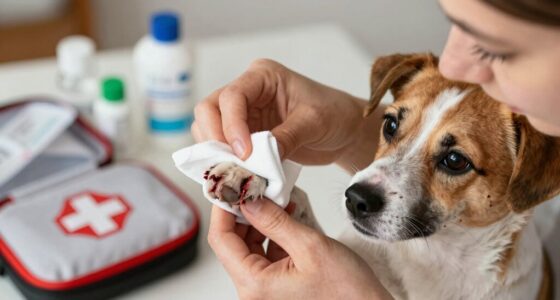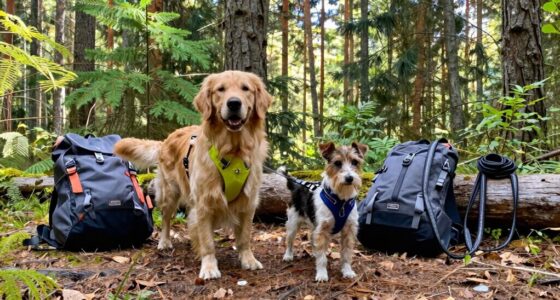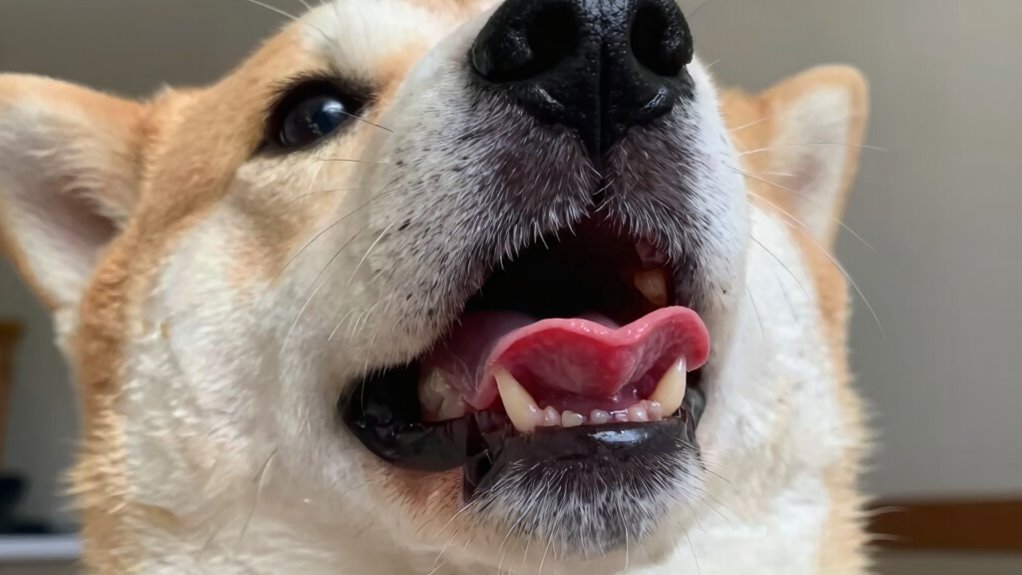

To check if your dog might be dehydrated, gently lift their lip and examine the gums. Healthy gums should feel moist and be a healthy pink color. If the gums are dry, sticky, pale, or discolored, your dog could be dehydrated. This simple test is quick, easy, and can be done anywhere, helping you catch dehydration early. Keep going to discover more tips on keeping your pup properly hydrated.

Get garden gear delivered free — and shop member deals
- Fast, free delivery on millions of items
- Access to Prime Big Deal Days deals on October 6–7
- Prime Video, Amazon Music and more included
Key Takeaways
- Gently lift the dog’s lip to examine the gums for moisture and color.
- Healthy gums are moist, pink, and feel smooth; dry, pale, or sticky gums indicate dehydration.
- Check gum color and moisture regularly, especially during hot weather or after activity.
- A quick gum check helps identify dehydration early, enabling prompt hydration and vet care.
- Use the gum check as a simple, non-invasive way to monitor your dog’s hydration status anytime.
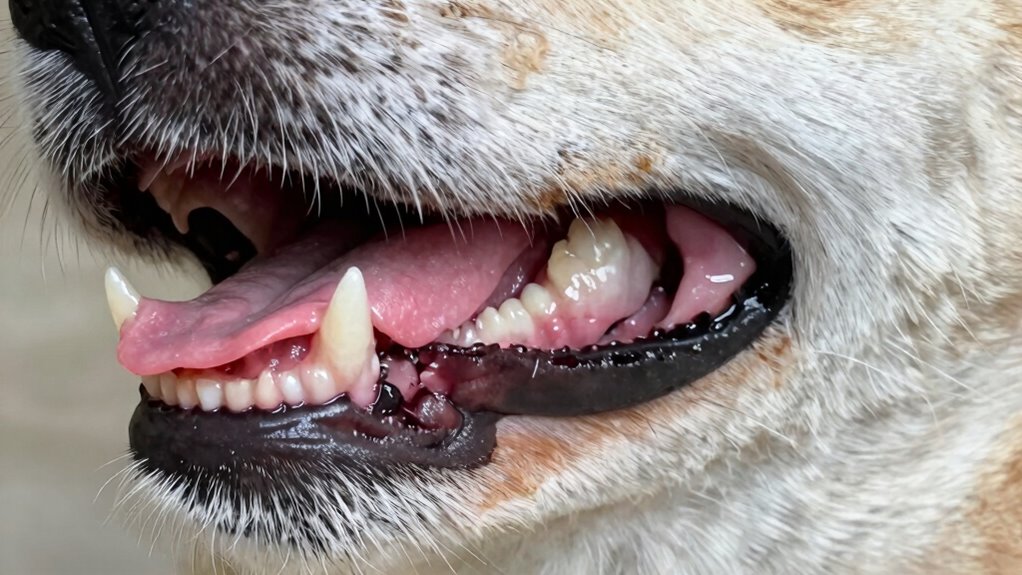
Dehydration in dogs can develop quickly and often goes unnoticed until symptoms become serious. That’s why knowing how to spot the early signs is vital. One simple way to check your dog’s hydration status is by performing the gum check, which you can do anywhere. Recognizing common symptoms early can help you act fast, preventing dehydration from worsening into a dangerous situation.
Start by gently lifting your dog’s lip and examining the gums. Healthy gums should feel moist and be pink in color. If the gums feel dry, sticky, or appear pale or discolored, these are signs your dog might be dehydrated. Remember, dehydration can sneak up on you, especially if your dog has been active, is in a hot environment, or isn’t drinking enough water. Regularly doing gum checks is one of the most effective hydration tips for pet owners because it’s quick, non-invasive, and doesn’t require special tools.
Check your dog’s gums regularly; moist, pink gums indicate proper hydration.
Aside from checking the gums, be aware of the common symptoms that indicate dehydration. Your dog might seem lethargic or less interested in playing, or they could be panting more than usual. Loss of skin elasticity—when you gently pinch the skin on their neck or back and it doesn’t snap back quickly—is another telltale sign. Additionally, a dry nose or sunken eyes can point to dehydration, especially if combined with other symptoms. If you notice any of these signs, it’s vital to encourage your dog to drink water immediately and seek veterinary advice if symptoms worsen or persist.
Understanding hydration tips can help you prevent dehydration altogether. Always guarantee fresh water is available and easily accessible, especially during hot days or after vigorous activity. Keep water bowls clean and, if you’re outdoors, consider bringing extra water to keep your dog hydrated. Offering ice cubes can also encourage drinking and help cool them down. Limiting outdoor activity during the hottest parts of the day reduces the risk of dehydration, and providing shade can make a big difference. If your dog has any health issues or is on medication, consult your vet about additional hydration strategies. Additionally, knowing about home theatre projectors can be useful if you’re planning outdoor movie nights to keep your pet entertained and relaxed during hot evenings.
As an affiliate, we earn on qualifying purchases.
Frequently Asked Questions
How Long Can a Dehydrated Dog Survive Without Water?
A dehydrated dog can survive only a few days without water, but this varies based on factors like age and health. Without hydration, electrolyte imbalance can develop quickly, leading to weakness or seizures. If dehydration persists, kidney damage becomes a serious risk. You need to act fast by providing water and seeking veterinary help to prevent severe health issues and improve your dog’s chances of recovery.
What Are the Long-Term Health Effects of Dehydration in Dogs?
A stitch in time saves nine, so addressing dehydration early is vital. Long-term dehydration can lead to electrolyte imbalance, affecting your dog’s nerve and muscle functions, and cause kidney damage, which may lead to chronic health issues. If left untreated, these problems can become severe, impacting your dog’s quality of life. Always guarantee your dog stays hydrated and seek vet care promptly to prevent lasting health effects.
Can Dehydration Cause Behavioral Changes in Dogs?
Yes, dehydration can cause behavioral changes in dogs, like lethargy, irritability, or confusion. When your dog’s electrolyte balance is disrupted due to dehydration, it affects their brain function and energy levels. To help, offer hydration supplements or encourage water intake. Recognizing these signs early and maintaining proper hydration can prevent further behavioral issues and keep your dog healthy and active.
Are Certain Breeds More Prone to Dehydration?
Certain breeds are more prone to dehydration due to breed susceptibility and differences in size, coat, and activity level. Small breeds, like Chihuahuas, often dehydrate faster because of their higher metabolic rates. Dogs with thick coats, such as Huskies, may struggle to stay cool and stay hydrated in hot weather. Recognizing breed differences helps you monitor your dog better and guarantee they stay properly hydrated, especially during exercise or in hot conditions.
How Can I Prevent Dehydration During Hot Weather Outings?
To prevent dehydration during hot weather outings, prioritize hydration tips like carrying plenty of fresh water and offering it frequently. Use sun protection, such as shaded areas and dog-friendly sunscreen, to keep your pup cool and safe. Avoid strenuous activity during peak heat and monitor for signs of dehydration. Keeping your dog well-hydrated and protected from the sun guarantees a safe, enjoyable outing for both of you.
As an affiliate, we earn on qualifying purchases.
Conclusion
So, next time you’re worried your pup might be dehydrated, don’t just stare at their wagging tail—check those gums! It’s funny how something so simple can be a lifesaver, yet many overlook it. After all, who knew that a quick gum check could save your dog from a trip to the vet? Stay alert, stay proactive, and remember: sometimes the smallest signs tell the biggest stories. Your dog’s health is worth it!
As an affiliate, we earn on qualifying purchases.
As an affiliate, we earn on qualifying purchases.
Fall Picks
fall essentials
As an affiliate, we earn on qualifying purchases.