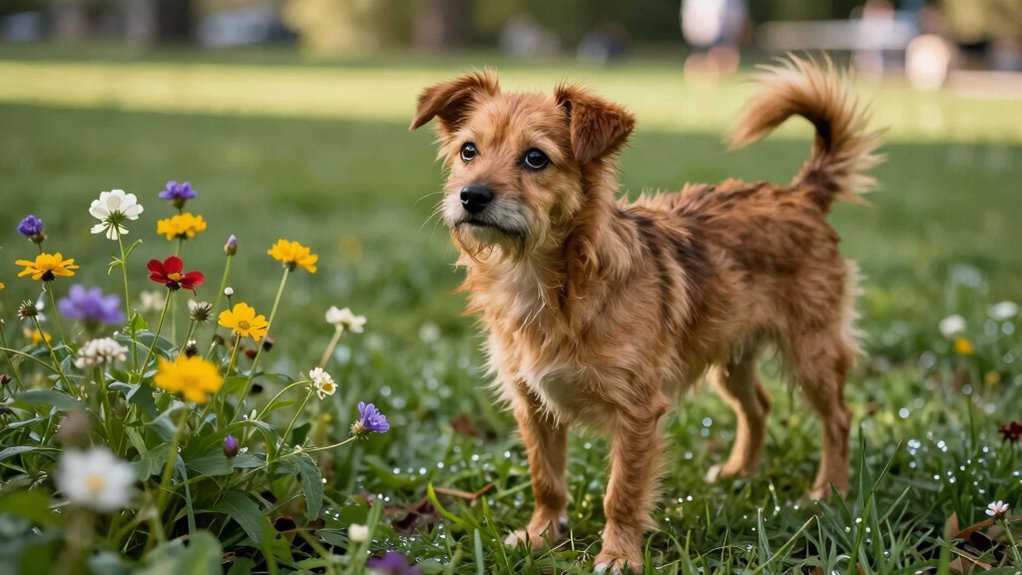

When your dog goes missing, acting within the first hour is vital. Call out their name loudly, check your yard and nearby areas, and verify that their collar has current ID tags or consider microchipping. Knock on neighbors’ doors, put up signs, and post on local social media and community groups. Staying calm and organized helps you find your dog faster and increases the chance of a safe reunion. For more important tips, keep going.

Get garden gear delivered free with Prime
- Fast, free delivery on millions of items
- Prime Video, Amazon Music and more included
- Member-only deals all year
Key Takeaways
- Act immediately by searching the home and yard, calling the dog’s name, and checking for a visible ID tag or microchip.
- Notify neighbors, post signs, and share on social media within the first hour to maximize community awareness.
- Understand typical lost dog behaviors like hiding or seeking safety to inform effective search tactics.
- Stay calm and organized, using familiar sounds and quick outreach to increase chances of reunion.
- Prioritize rapid response to reduce risks and improve the likelihood of safely recovering your dog.
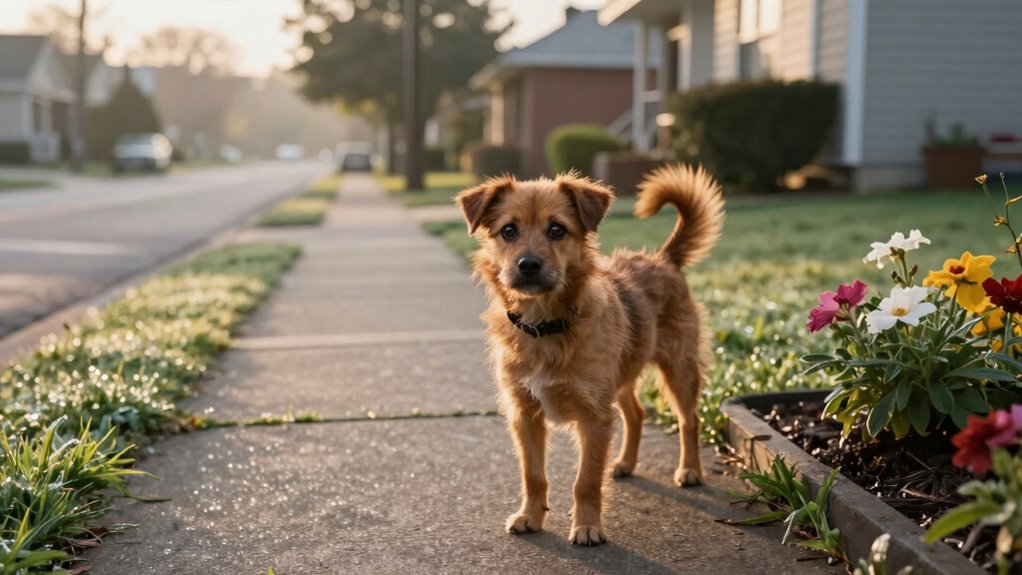
Have you ever wondered what steps to take if your dog goes missing? The first hour after your dog disappears is crucial, and knowing exactly what to do can make all the difference. Your immediate response can increase the chances of a swift reunion, so staying calm and focused is essential. Start by thoroughly searching your home and yard, calling your dog’s name loudly and repeatedly. Use familiar commands or sounds that your dog responds to, like whistling or clapping. If your dog has a collar with an ID tag, verify it’s visible and up to date. If not, consider having your dog microchipped, which greatly improves the chances of recovery if someone finds them and takes them to a vet or shelter.
The first hour after your dog goes missing is critical—act quickly and stay calm to increase the chances of reunion.
Reaching out to neighbors and nearby areas right away is crucial. Knock on doors or put up signs with a clear photo and your contact information. Social media is also a powerful tool—post on local lost pet groups, community pages, and neighborhood apps. The sooner you spread the word, the better. During this initial period, it’s also wise to check local shelters, vet clinics, and animal control facilities. Sometimes, people bring lost dogs there, and quick visits can help you reconnect quickly. Additionally, understanding lost dog behavior can help you anticipate where your dog might be hiding or seeking safety. Knowing how dogs react when lost can help tailor your search efforts more effectively. Learning about dog escape prevention can also help you take steps to avoid future incidents. Familiarizing yourself with recovery techniques can further enhance your chances of a successful reunion.
Training techniques can help prevent your dog from escaping in the first place, but if they do go missing, knowing how to handle the situation is key. Use positive reinforcement when your dog returns or is found, and avoid harsh words or punishment, which can make them frightened or less likely to approach. Keep a close eye on your dog’s behavior and health, especially once they’re found. If you spot any injuries or signs of illness, seek veterinary care immediately. Prompt veterinary attention can address injuries or health issues that might have occurred while they were lost. It’s also helpful to have a lost dog preparedness kit ready, containing essentials like recent photos, a leash, and medical records, to speed up your response.
Time is of the essence, so don’t delay in taking action. Act quickly but thoughtfully—your patience, combined with effective search techniques and swift communication, can drastically improve your chances of recovery. Remember, your dog’s safety depends on your immediate response, so stay organized, stay calm, and use all available resources. The first hour is critical, and your quick, decisive actions could be what brings your furry friend back home safe and sound.
As an affiliate, we earn on qualifying purchases.
Frequently Asked Questions
How Can I Prevent My Dog From Running Away in the First Place?
To prevent your dog from running away, you should use effective training techniques like recall training and boundary commands. Always supervise your dog, especially outdoors, and use preventative measures such as secure fences and leashes. Regular exercise and mental stimulation reduce the urge to escape. Consistency is key; reinforce commands daily and reward good behavior. These steps help make certain your dog feels safe and less likely to seek an escape route.
What Should I Do if My Dog Is Injured or Scared During a Lost Situation?
If your dog is injured or scared, act quickly by providing emergency first aid if needed, such as stopping bleeding or immobilizing injuries. Use calming techniques like gentle voice, soft petting, or a familiar blanket to reduce their anxiety. Keep a close eye on their condition, and if necessary, seek immediate veterinary care. Your calmness and prompt action can make a big difference in their recovery and comfort.
How Effective Are GPS Collars in Recovering Lost Dogs?
GPS collars are highly effective for recovering lost dogs, especially when you choose the right collar types with reliable GPS technology. They allow you to track your dog’s location in real-time, making it easier to find them quickly. Opt for collars with strong signal strength and long battery life, and guarantee they’re comfortable for your dog. This technology greatly enhances your chances of a safe, swift reunion.
What Are the Legal Responsibilities When Recovering a Lost Dog?
When recovering a lost dog, you must understand your legal obligations, which vary by location. You’re responsible for guaranteeing the dog’s safety and avoiding liability concerns, especially if the dog gets hurt or causes damage during recovery. Always act within local laws, obtain necessary permissions, and avoid trespassing. Being aware of your responsibilities helps protect you legally and ensures the dog’s safe return, reducing potential liability issues.
How Long Should I Wait Before Giving up Searching for My Dog?
You shouldn’t give up searching immediately; many dogs are found days or even weeks later. During this time, focus on behavioral training to improve your dog’s recall and guarantee microchip registration is up-to-date. Keep searching, checking shelters, and using social media. Remember, persistence pays off—dogs often return or are found when you least expect it. Stay hopeful and proactive in your efforts.
As an affiliate, we earn on qualifying purchases.
Conclusion
Remember, the first hour after your dog goes missing is like a ticking clock—every second counts. Act quickly, stay calm, and use every tool at your disposal to find your furry friend. With swift action and a clear plan, you’re giving yourself the best shot at bringing your dog home safe and sound. Don’t let that precious window slip away; it’s your chance to turn hope into reality before time runs out.
As an affiliate, we earn on qualifying purchases.
As an affiliate, we earn on qualifying purchases.
Halloween Picks
halloween
As an affiliate, we earn on qualifying purchases.