
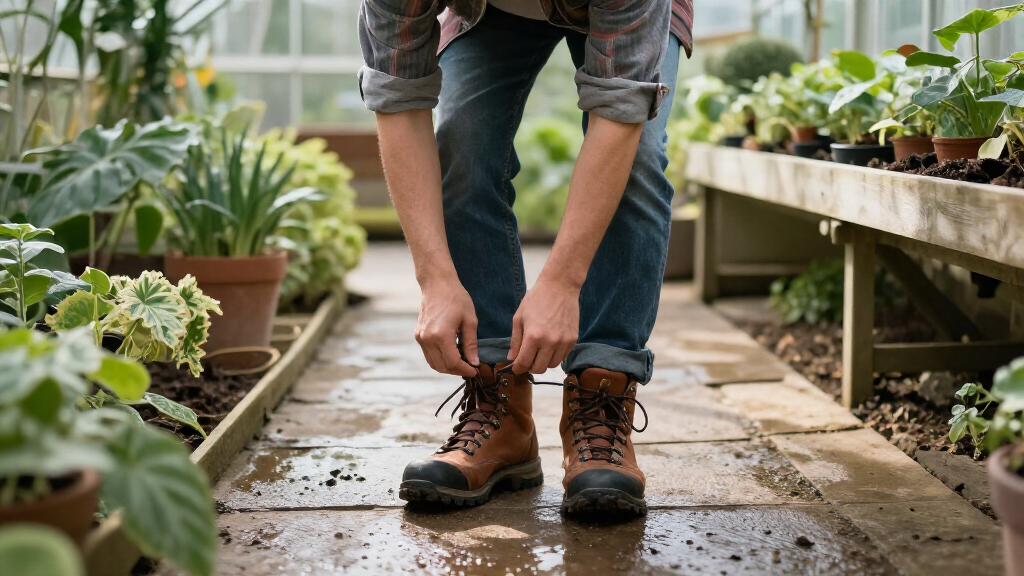

The best hiking boots balance reliable traction, support, weather protection, and a fit that works for your feet. In this roundup, the Merrell Moab 3 Mid Waterproof stands out as the strongest all-around choice, while the Oboz Bridger Mid B-DRY suits hikers who want a more supportive build and the Merrell Moab 3 Hiking Shoe favors lighter, lower-cut travel. The main tradeoff is between added structure and protection on rough or wet trails and the lighter feel of less boot-like designs. Fit, warmth, and intended terrain can matter more than a long feature list. Read on for the full breakdown of all 15 options and help matching a boot to your hikes.

Get garden gear delivered free with Prime
- Fast, free delivery on millions of items
- Prime Video, Amazon Music and more included
- Member-only deals all year
Complete the kit


Key Takeaways
- The Merrell Moab 3 Mid Waterproof is the most balanced pick: it combines mid-height coverage and waterproofing without narrowing the roundup to cold-weather or highly specialized use.
- The Oboz Bridger Mid B-DRY leans toward support: its more substantial approach makes it a stronger candidate for hikers prioritizing structure over a lightweight feel.
- The lineup includes meaningful alternatives to traditional boots: the Merrell Moab 3 Hiking Shoe and Speed Strike 2 Mid Waterproof trade some boot-like structure for a lighter, more flexible style.
- Waterproofing does not automatically mean better for every hike: insulated models such as the Columbia Firecamp make more sense in cold conditions than on warm, strenuous trails.
- Several Columbia and Moab entries overlap: compare the intended use and cut carefully, since the list includes repeated Newton Ridge Plus II names and multiple Moab 3 versions.
| Foxelli Men’s Waterproof Suede Leather Hiking Boots |  | Best Lightweight Comfort Pick | Upper: Suede leather | Waterproofing: Waterproof (specific membrane not listed) | Sole: Ethylene vinyl acetate | VIEW LATEST PRICE | See Our Full Breakdown |
| Columbia Men’s Firecamp Waterproof Insulated Boots |  | Best for Cold-Weather Day Hikes | Upper: Cordura textile | Shaft height: Ankle | Insulation: 200 grams | VIEW LATEST PRICE | See Our Full Breakdown |
| Oboz Men’s Bridger Mid B-DRY Waterproof Hiking Boots |  | Best for Support on Rugged Trails | Upper: Nubuck leather and textile | Shaft height: Ankle | Waterproofing: B-DRY waterproof-breathable membrane | VIEW LATEST PRICE | See Our Full Breakdown |
| ANJOUFEMME Women’s Waterproof Lightweight Hiking Boots |  | Best Lightweight Women’s Trail-to-Travel Pick | Upper: Leather | Shaft height: Ankle | Shaft circumference: 9.8 | VIEW LATEST PRICE | See Our Full Breakdown |
| Columbia Men’s Newton Ridge Plus II Waterproof Hiking Boot |  | Best Versatile All-Season Pick | Upper: Waterproof full-grain leather and mesh | Shaft height: Ankle | Shaft circumference: 1 inch (listed) | VIEW LATEST PRICE | See Our Full Breakdown |
| Merrell Men’s Moab 3 Waterproof Hiking Boots |  | Best for Cushioned All-Day Hiking | Upper: Pig suede leather and breathable mesh | Waterproofing: Waterproof membrane | Outsole: Vibram TC5+ | VIEW LATEST PRICE | See Our Full Breakdown |
| Columbia Transverse Waterproof Women’s Hiking Boots |  | Best Women’s Pick for Moderate Weather | Upper material: Leather and mesh | Waterproof technology: Omni-Tech, seam-sealed construction | Cushioning technology: TechLite | VIEW LATEST PRICE | See Our Full Breakdown |
| Merrell Men’s Moab 3 Hiking Shoe |  | Best for Dry-Trail Versatility | Upper material: Pigskin leather and mesh | Insole: Removable Kinetic Fit ADVANCED contoured insole with reinforced heel cushioning | Support: Medium | VIEW LATEST PRICE | See Our Full Breakdown |
| NORTIV 8 Men’s Waterproof Ankle-High Hiking Boots |  | Best for Everyday Outdoor Use | Outer material: Nylon and faux leather | Sole material: Rubber | Shaft height: Ankle | VIEW LATEST PRICE | See Our Full Breakdown |
| Merrell Men’s Speed Strike 2 Mid Waterproof Hiking Shoes |  | Best Lightweight Waterproof Pick | Upper: Waterproof synthetic leather and mesh | Waterproofing: Waterproof membrane | Midsole: Lightweight EVA foam | VIEW LATEST PRICE | See Our Full Breakdown |
| Columbia Men’s Fairbanks Mid Waterproof Hiking Boots |  | Best for Town-to-Trail Wear | Waterproofing: Omni-Tech waterproof, seam-sealed construction | Cushioning: TechLite lightweight impact absorption | Traction: Omni-Grip multi-terrain outsole | VIEW LATEST PRICE | See Our Full Breakdown |
| Men’s Waterproof Lightweight Mid-Top Hiking Boots |  | Best Lightweight Budget-Style Pick | Upper: Synthetic suede and fabric | Waterproofing: SL-TEX waterproof membrane | Weight: 1.25 lb (size 10) | VIEW LATEST PRICE | See Our Full Breakdown |
| Columbia Men’s Newton Ridge Plus II Waterproof Hiking Boot |  | Best for Varied Trail Conditions | Upper material: Full-grain leather and mesh | Waterproof: Yes | Sole material: Rubber | VIEW LATEST PRICE | See Our Full Breakdown |
| Columbia Men’s Transverse Waterproof Hiking Boots | 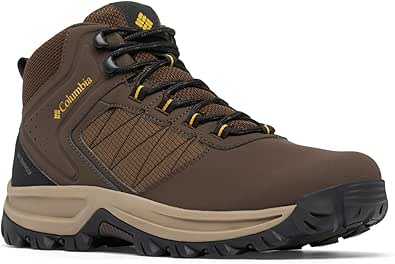 | Best for Moderate Wet-Weather Day Hikes | Upper material: Leather and mesh | Waterproofing: Waterproof, breathable, seam-sealed construction | Cushioning: TECHLITE | VIEW LATEST PRICE | See Our Full Breakdown |
| Merrell Men’s Moab 3 Mid Waterproof Hiking Boots |  | Best for Comfort-Focused Trail Hikes | Upper: Pigskin leather and mesh | Waterproofing: Waterproof membrane | Insole: Removable Kinetic Fit ADVANCED contoured insole with reinforced heel cushioning | VIEW LATEST PRICE | See Our Full Breakdown |
| hiking boot | Waterproofing | Shaft height | Sole material | Shaft circumference |
|---|---|---|---|---|
| Foxelli Men’s Waterproof Suede | Waterproof (specific membrane not listed) | — | — | — |
| Columbia Men’s Firecamp Waterp | Omni-Tech waterproof, seam-sealed construction | Ankle | Rubber | 1 inch (listed) |
| Oboz Men’s Bridger Mid B-DRY W | B-DRY waterproof-breathable membrane | Ankle | — | — |
| ANJOUFEMME Women’s Waterproof | Waterproof membrane | Ankle | — | 9.8 |
| Columbia Men’s Newton Ridge Pl | Waterproof construction | Ankle | — | 1 inch (listed) |
| Merrell Men’s Moab 3 Waterproo | Waterproof membrane | Calf high | Rubber | — |
| Columbia Transverse Waterproof | — | Ankle | Rubber | 1 inch (as listed) |
| Merrell Men’s Moab 3 Hiking Sh | — | — | Rubber | — |
| NORTIV 8 Men’s Waterproof Ankl | Described as waterproof; technology not specified | Ankle | Rubber | Approximately 10 inches |
| Merrell Men’s Speed Strike 2 M | Waterproof membrane | Ankle | Rubber | 4 inches |
| Columbia Men’s Fairbanks Mid W | Omni-Tech waterproof, seam-sealed construction | Ankle | Rubber | 1 inch |
| Men’s Waterproof Lightweight M | SL-TEX waterproof membrane | — | Synthetic rubber | — |
| Columbia Men’s Newton Ridge Pl | — | Ankle | Rubber | 1 inch |
| Columbia Men’s Transverse Wate | Waterproof, breathable, seam-sealed construction | Ankle | Rubber | 1 inch |
| Merrell Men’s Moab 3 Mid Water | Waterproof membrane | Ankle | — | 4 (unit not specified) |
More Details on Our Top Picks
Foxelli Men’s Waterproof Suede Leather Hiking Boots
The Foxelli stands out for hikers who want a lightweight suede boot with cushioning and basic trail protection, rather than a heavier, more structured build. Its padded insole, shock-absorbing midsole, and breathable mesh collar are aimed at reducing fatigue on day hikes, while the gusseted tongue helps limit grit entering around the laces. Compared with the Oboz Bridger Mid B-DRY, it has fewer listed support components and less detail about its construction, so I’d favor the Oboz for longer outings or rougher terrain. The Foxelli’s rubber outsole is described as non-slip, but the available information does not specify a membrane or tested waterproofing level. It suits moderate hikes and everyday trail use; buyers needing documented waterproofing or more robust underfoot support should look elsewhere.
Pros:- Lightweight construction supports easier movement on day hikes.
- Padded insoles and a shock-absorbent midsole target walking comfort.
- Non-slip rubber soles are intended to grip wet and slippery trails.
- Gusseted tongue helps keep trail debris out.
Cons:- Waterproofing is claimed, but no membrane or performance details are provided.
- Support and outsole construction are less fully specified than on the Oboz Bridger Mid B-DRY.
- No product-specific fit guidance or performance testing details are provided.
Best for: Day hikers seeking a lightweight, cushioned men’s boot for established trails and everyday outdoor walks.
Not ideal for: Backpackers tackling rocky, demanding routes or hikers who need clearly specified waterproofing and support components.
- Upper:Suede leather
- Waterproofing:Waterproof (specific membrane not listed)
- Sole:Ethylene vinyl acetate
- Outsole:Non-slip rubber
- Collar:Breathable mesh
- Fit and debris protection:Ankle support and gusseted tongue
- Available colors:Grey, brown, and blue
- Included accessories:Extra laces and a pair of hiking socks
Our verdict“Choose the Foxelli for light, cushioned day hikes, but pick the Oboz Bridger if you need more clearly documented support and waterproof construction.”
Columbia Men’s Firecamp Waterproof Insulated Boots
The Firecamp is the cold-weather choice in this group: its 200-gram insulation adds warmth that the uninsulated Columbia Newton Ridge Plus II does not list. Waterproof, seam-sealed Omni-Tech construction and a breathable design also suit damp winter walks, while Techlite cushioning and Omni-Grip traction address comfort and grip across wet and dry ground. The tradeoff is specialization: insulation can feel too warm on mild-weather hikes, and this boot is described for moderate rain and snow rather than prolonged severe conditions. Its ankle-height shaft offers less coverage than a taller winter boot, and the listed shaft circumference is unusually limited. I’d choose it for chilly, shorter outings, but hikers prioritizing a less insulated option for year-round use may prefer the Newton Ridge Plus II.
Pros:- 200 grams of insulation adds warmth for cold-weather outings.
- Seam-sealed Omni-Tech construction is designed to keep water out while allowing breathability.
- Techlite cushioning supports comfort with a lightweight feel.
- Omni-Grip outsole is designed for traction on wet and dry terrain.
Cons:- Insulation may feel too warm during mild-weather hikes or high-output climbs.
- The product is described for moderate rain and snow, not prolonged severe conditions.
- Ankle-height coverage and the listed 1-inch shaft circumference may not suit buyers seeking more coverage.
Best for: Hikers who take short to moderate trails in cold, wet weather and want built-in insulation without a heavy boot.
Not ideal for: Warm-weather hikers, people needing tall shaft coverage, or those facing prolonged severe snow and rain.
- Upper:Cordura textile
- Shaft height:Ankle
- Insulation:200 grams
- Waterproofing:Omni-Tech waterproof, seam-sealed construction
- Cushioning:Techlite
- Traction:Omni-Grip
- Sole material:Rubber
- Shaft circumference:1 inch (listed)
Our verdict“Pick the Firecamp for cold, damp day hikes where insulation matters; choose the uninsulated Newton Ridge Plus II for more flexible use across seasons.”
Oboz Men’s Bridger Mid B-DRY Waterproof Hiking Boots
The Bridger Mid earns its place through the most clearly detailed support package in this group: a TPU chassis and nylon shank work with a single-density EVA midsole to steady the foot on uneven ground. Its B-DRY waterproof-breathable membrane, reinforced nubuck-and-textile upper, toe cap, and heel counter make it a more protective choice than the lighter, less specified Foxelli. A triple-density O FIT insole and Trail Tread HD outsole add cushioning and multidirectional grip for longer outings. That structure comes with a tradeoff: at 19 ounces per half pair, it may feel like more boot than casual walkers want. I’d favor it for rocky day hikes and loaded trail days, while the Foxelli makes more sense when lower weight and simple comfort matter more than defined support.
Pros:- TPU chassis and nylon shank provide clearly specified underfoot support.
- B-DRY membrane combines waterproofing with breathability.
- Triple-density O FIT insole is designed for cushioning on extended outings.
- Reinforced upper, toe cap, and heel counter add protection on rough trails.
Cons:- At 19 ounces per half pair, it may feel substantial compared with lighter options such as the Foxelli.
- Its more structured build may be excessive for easy walks and everyday wear.
- No product-specific customer review or performance-testing details are provided.
Best for: Hikers who want a supportive, waterproof mid boot for rocky trails, uneven terrain, and longer day hikes.
Not ideal for: Casual walkers or weight-conscious hikers who prefer a simpler, lighter-feeling boot for easy paths.
- Upper:Nubuck leather and textile
- Shaft height:Ankle
- Waterproofing:B-DRY waterproof-breathable membrane
- Insole:Triple-density EVA O FIT
- Midsole:Single-density EVA
- Support:TPU chassis and nylon shank
- Outsole:Trail Tread HD rubber
- Weight:19.0 oz per half pair
Our verdict“Choose the Bridger Mid for supportive protection on demanding trails, and skip it if your hikes are short, easy, and weight-sensitive.”
ANJOUFEMME Women’s Waterproof Lightweight Hiking Boots
ANJOUFEMME’s ankle-height design is aimed at women who want one lightweight boot for hiking, travel, and daily walks. The waterproof membrane and aggressive rubber lugs give it a more trail-focused setup than an ordinary walking shoe, while the EVA midsole is intended to soften repeated steps. Compared with Columbia’s Newton Ridge Plus II, this option is specifically presented as lightweight and versatile across outdoor and everyday use, but its product details provide less information about the upper’s construction and no named traction system. The mid-cut shape offers some ankle support, though it is not a substitute for a more structured boot on demanding terrain. Missing fit and sizing guidance also makes online selection harder. I’d choose it for moderate outings and travel, not technical routes or buyers who need detailed fit data.
Pros:- Waterproof membrane is suited to damp trails and everyday outdoor use.
- Aggressive rubber lugs are designed for grip on varied terrain.
- Lightweight construction and EVA cushioning support walking comfort.
- Ankle-height design provides more coverage than a low-cut shoe.
Cons:- No specific sizing or fit guidance is provided.
- The support system and outsole performance are less fully detailed than on the Oboz Bridger Mid.
- The available information does not describe reinforced toe or heel protection.
Best for: Women seeking a lightweight waterproof boot for moderate hikes, travel days, and mixed outdoor and everyday wear.
Not ideal for: Hikers tackling technical, heavily loaded routes or buyers who need detailed fit and sizing guidance before ordering.
- Upper:Leather
- Shaft height:Ankle
- Shaft circumference:9.8
- Waterproofing:Waterproof membrane
- Midsole:EVA
- Outsole:Rubber with aggressive lugs
- Intended use:Hiking, walking, travel, and everyday use
Our verdict“Choose ANJOUFEMME for lightweight, mixed-use outings, but look to a more fully specified boot for technical trails or uncertain sizing.”
Columbia Men’s Newton Ridge Plus II Waterproof Hiking Boot
The Newton Ridge Plus II is the more season-flexible Columbia choice here: unlike the insulated Firecamp, it has no listed insulation, making it a better fit for changing conditions and longer stretches of walking. Its waterproof full-grain leather-and-mesh upper pairs protection with a breathable tongue, while the cushioned midsole and Omni-Grip rubber outsole target comfort and traction across varied terrain, including ice and snow. The lace-up closure also lets hikers adjust the fit around different socks. It is still an ankle-height boot, and the listed shaft circumference is only 1 inch, so it will not provide the coverage of a taller model. The available details also do not specify a shank or support chassis like the Oboz Bridger Mid. I’d choose it for general day hikes over the Firecamp when warmth is not the priority.
Pros:- Waterproof full-grain leather and mesh upper balances protection with ventilation.
- Cushioned midsole is designed for comfort over varied terrain.
- Omni-Grip rubber outsole is intended for grip on terrain that can include ice and snow.
- Lace-up closure allows fit adjustment.
Cons:- No insulation is listed, making it less suited to cold outings than the Columbia Firecamp.
- Ankle-height shaft offers limited coverage compared with taller boots.
- No shank or support chassis is specified, unlike the Oboz Bridger Mid.
Best for: Hikers seeking a waterproof men’s boot for varied day-hike conditions who do not need built-in insulation.
Not ideal for: Cold-weather hikers who want insulated footwear or buyers seeking tall coverage and specifically documented structural support.
- Upper:Waterproof full-grain leather and mesh
- Shaft height:Ankle
- Shaft circumference:1 inch (listed)
- Closure:Lace-up
- Outsole:Omni-Grip multi-terrain rubber
- Midsole:Lightweight cushioned midsole
- Waterproofing:Waterproof construction
Our verdict“Choose the Newton Ridge Plus II for a waterproof, uninsulated boot suited to varied day hikes, and choose the Firecamp if cold-weather warmth is your priority.”
Merrell Men’s Moab 3 Waterproof Hiking Boots
The Moab 3 Waterproof is the comfort-led choice here: its supportive insole, cushioned midsole, and Air Cushion heel are built to soften repeated steps on day hikes. The Vibram TC5+ outsole adds dependable grip for varied outdoor surfaces, while the waterproof membrane helps keep rain and trail moisture out without sealing in all perspiration. Compared with the lighter, lower-cut Merrell Speed Strike 2 Mid Waterproof, this boot emphasizes cushioning and a more substantial suede-and-mesh upper over a hybrid, lightweight feel. That comfort focus comes with a tradeoff: it may feel like more boot than buyers want for quick walks or warm-weather trails. I’d also look elsewhere if you need a clearly specified fit, since the supplied shaft-circumference figure has no unit.
Pros:- Waterproof membrane helps keep feet dry while allowing moisture to escape.
- Cushioned midsole and Air Cushion heel help soften impact over long walks.
- Vibram TC5+ outsole provides traction for varied outdoor surfaces.
- Pig suede leather and breathable mesh balance durability with ventilation.
Cons:- More substantial construction may feel warm or cumbersome on short, hot-weather walks.
- The listed shaft circumference lacks a unit, limiting its usefulness for fit comparisons.
Best for: Hikers who prioritize cushioned support and waterproof protection for regular day hikes on mixed trails.
Not ideal for: Fast-moving hikers seeking the lightest possible footwear, or buyers who need detailed fit measurements before choosing.
- Upper:Pig suede leather and breathable mesh
- Waterproofing:Waterproof membrane
- Outsole:Vibram TC5+
- Midsole:Super Rebound Compound
- Heel feature:Merrell Air Cushion
- Sole material:Rubber
- Shaft height:Calf high
- Origin:Imported
Our verdict“Choose the Moab 3 Waterproof if you want cushioned support and reliable wet-weather coverage for day hikes, rather than the lighter feel of the Speed Strike 2 Mid.”
Columbia Transverse Waterproof Women’s Hiking Boots
The Columbia Transverse suits hikers who want a waterproof, ankle-height boot without the more substantial feel of the Merrell Moab 3 Waterproof. Its seam-sealed Omni-Tech construction is described for moderate rain and snow, and the leather-and-mesh upper pairs protection with some breathability. Underfoot, TechLite cushioning and Omni-Grip traction target comfort and grip across wet and dry surfaces. That lighter ankle-height design is a practical match for day hikes and changeable everyday conditions, but the stated weather scope matters: this isn’t the pick for prolonged exposure to severe rain or snow. Compared with the waterproof Moab 3, it offers a more compact profile, while the Moab’s listed Vibram outsole and cushioning details may appeal more to buyers seeking a more built-up hiking boot.
Pros:- Seam-sealed Omni-Tech construction helps keep water out in moderate conditions.
- TechLite cushioning offers lightweight underfoot comfort.
- Omni-Grip outsole is designed for traction on wet and dry terrain.
- Leather-and-mesh upper combines a durable exterior with breathable material.
Cons:- Weather protection is described for moderate rain and snow, not prolonged severe conditions.
- Ankle-height coverage offers less protection than taller hiking boots.
- The supplied shaft-circumference measurement is not useful for comparing fit without more context.
Best for: Women seeking an ankle-height waterproof boot for day hikes and regular outings in moderate rain or snow.
Not ideal for: Hikers who routinely face prolonged severe weather or want a taller boot with more coverage.
- Upper material:Leather and mesh
- Waterproof technology:Omni-Tech, seam-sealed construction
- Cushioning technology:TechLite
- Traction technology:Omni-Grip
- Shaft height:Ankle
- Sole material:Rubber
- Shaft circumference:1 inch (as listed)
- Origin:Imported
Our verdict“Pick the Transverse for moderate-weather hikes when you want a women’s ankle-height waterproof boot rather than the more substantial Moab 3 Waterproof.”
Merrell Men’s Moab 3 Hiking Shoe
For hikers who don’t need a waterproof membrane, the Moab 3 Hiking Shoe keeps the lineup’s familiar comfort-and-traction focus in a non-waterproof design. Its removable Kinetic Fit ADVANCED insole has reinforced heel cushioning, so buyers can take it out for their own insert or keep the structured support underfoot. A Vibram outsole and protective toe cap suit everyday trails where grip and toe protection matter. Compared with the waterproof Moab 3 boot, this model gives up stated waterproof protection; that makes it a less suitable choice for wet routes, but a sensible option when breathability and simpler trail footwear matter more. The listed calf-high shaft height sits awkwardly beside its hiking-shoe name, so I’d verify the actual cut before buying if low-profile footwear is a priority.
Pros:- Removable contoured insole includes reinforced heel cushioning.
- Vibram outsole provides grip for general trail use.
- Protective toe cap helps guard against trail debris.
- Recycled laces, webbing, and mesh lining reduce reliance on new materials.
Cons:- No waterproofing is specified, making it a poor match for consistently wet routes.
- The listed calf-high shaft height conflicts with the hiking-shoe description and may require fit verification.
Best for: Hikers who mostly walk dry or mild-weather trails and want a removable supportive insole with a protective toe cap.
Not ideal for: People hiking in persistent rain, crossing wet terrain, or specifically seeking waterproof coverage.
- Upper material:Pigskin leather and mesh
- Insole:Removable Kinetic Fit ADVANCED contoured insole with reinforced heel cushioning
- Support:Medium
- Outsole:Vibram
- Laces and webbing:100% recycled
- Lining:100% recycled mesh
- Features:Bellows tongue and protective toe cap
- Sole material:Rubber
Our verdict“Choose this Moab 3 for supportive footwear on mostly dry trails, but opt for the waterproof Moab 3 if rain protection is a priority.”
NORTIV 8 Men’s Waterproof Ankle-High Hiking Boots
The NORTIV 8 Waterproof is a straightforward ankle-high option for buyers who want one pair for casual hikes and everyday outdoor wear. A removable shock-absorbent insole and lightweight EVA midsole focus on cushioning, while the rubber sole is described as slip-resistant for wet and challenging surfaces. Compared with the Merrell Moab 3 Waterproof, the NORTIV 8 has a more basic material specification—nylon and faux leather rather than pig suede and mesh—and no named outsole compound. That makes the Merrell the clearer choice for shoppers prioritizing specific footwear components, while this boot’s appeal is its simple, practical setup. The supplied details don’t name a waterproofing technology or give weather-use limits, so I wouldn’t choose it over the Columbia Transverse when seam-sealed construction and defined moderate-weather coverage are priorities.
Pros:- Removable shock-absorbent insoles allow replacement or adjustment.
- Lightweight EVA midsole provides cushioning without a heavier midsole material.
- Rubber soles are described as slip-resistant with traction for wet and challenging terrain.
- Ankle-high design works for both casual hiking and everyday wear.
Cons:- Waterproofing technology and weather-use limits are not specified.
- Nylon and faux-leather upper details are less specific than the Merrell Moab 3’s suede-and-mesh construction.
- No named outsole compound is provided for comparing trail grip with options such as the Moab 3.
Best for: Buyers who want an ankle-high waterproof-design boot for casual hikes, outdoor chores, and regular daily wear.
Not ideal for: Hikers who need detailed waterproofing specifications, a named high-traction outsole, or clear guidance for prolonged wet-weather use.
- Outer material:Nylon and faux leather
- Sole material:Rubber
- Shaft height:Ankle
- Shaft circumference:Approximately 10 inches
- Midsole:EVA
- Insole:Removable, shock-absorbent
- Waterproofing:Described as waterproof; technology not specified
Our verdict“Choose the NORTIV 8 for everyday versatility and basic cushioning, but favor the Columbia Transverse if you want more clearly described seam-sealed weather protection.”
Merrell Men’s Speed Strike 2 Mid Waterproof Hiking Shoes
The Speed Strike 2 Mid Waterproof is the lighter-feeling alternative for hikers who want water protection without the more cushioned, substantial profile of the Merrell Moab 3 Waterproof. Its waterproof membrane, synthetic leather-and-mesh upper, and lightweight EVA foam midsole make it a practical match for day hikes where lower weight and basic trail comfort matter. Protective heel and toe caps add a buffer against scuffs and trail debris, while Merrell sticky rubber supplies grip. The tradeoff is that the supplied details don’t include fit guidance or a named cushioning system comparable to the Moab 3’s Air Cushion heel and Super Rebound Compound. I’d choose the Moab for a more explicitly comfort-focused build, but the Speed Strike is the better fit when a lighter mid-height waterproof shoe is the priority.
Pros:- Waterproof membrane helps block water while allowing moisture to escape.
- Lightweight EVA foam midsole supports a less bulky feel.
- Protective heel and toe caps help guard against abrasion and trail debris.
- Merrell sticky rubber outsole is designed for trail traction.
Cons:- Fit details are not provided, making it harder to judge sizing needs.
- Cushioning components are less specifically described than those on the Moab 3 Waterproof.
Best for: Hikers seeking a lightweight, waterproof mid-height option for day hikes and varied outdoor trails.
Not ideal for: Buyers who prioritize detailed fit information or the Moab 3’s specified heel cushioning and midsole compound.
- Upper:Waterproof synthetic leather and mesh
- Waterproofing:Waterproof membrane
- Midsole:Lightweight EVA foam
- Outsole:Merrell sticky rubber
- Sole material:Rubber
- Shaft height:Ankle
- Shaft circumference:4 inches
- Origin:Imported
Our verdict“Pick the Speed Strike 2 Mid if a lightweight waterproof feel matters more than the Moab 3’s more explicitly cushioned build.”
Columbia Men’s Fairbanks Mid Waterproof Hiking Boots
The Fairbanks Mid is a good fit for buyers who want one lightweight boot for casual hikes and everyday wet-weather wear. Its Omni-Tech seam-sealed construction is described for moderate rain and snow, while TechLite cushioning and an Omni-Grip outsole add comfort and traction across wet and dry surfaces. Compared with the Columbia Newton Ridge Plus II, the Fairbanks emphasizes lightweight cushioning and versatile styling rather than a full-grain leather-and-mesh upper. That makes it appealing for mixed daily use, but less compelling for hikers who prioritize a more substantial upper or demanding trail protection. Its stated water protection also has limits: this is not the pick for prolonged exposure to severe conditions. I’d choose it for routine outings, not as a specialized boot for rough, persistently wet routes.
Pros:- Seam-sealed waterproof construction is designed for moderate rain and snow.
- TechLite cushioning absorbs impact while keeping the feel lightweight.
- Omni-Grip outsole is designed for traction on wet and dry surfaces.
- Versatile styling suits both casual trail use and everyday wear.
Cons:- Water protection is specified for moderate conditions, not prolonged severe exposure.
- The description does not give detailed fit guidance or durability results.
Best for: Hikers who split time between easy trails, errands, and moderate rain or snow.
Not ideal for: Backpackers facing prolonged severe wet conditions or hikers seeking a boot specifically described with a full-grain leather upper.
- Waterproofing:Omni-Tech waterproof, seam-sealed construction
- Cushioning:TechLite lightweight impact absorption
- Traction:Omni-Grip multi-terrain outsole
- Sole material:Rubber
- Shaft height:Ankle
- Shaft circumference:1 inch
- Origin:Imported
Our verdict“Choose the Fairbanks for lightweight town-to-trail versatility, but pick a more protective option for extended wet-weather hiking.”
Men’s Waterproof Lightweight Mid-Top Hiking Boots
This lightweight mid-top stands out for a comfort-focused feature mix: a waterproof membrane, breathable lining, EVA midsole, and removable memory foam insole. At a listed 1.25 pounds in size 10, it gives weight-conscious hikers a clear point of comparison with the more feature-specific Merrell Moab 3 Mid Waterproof, which names its Vibram outsole and contoured insole. This boot instead keeps the construction straightforward, with a synthetic suede-and-fabric upper and rubber traction outsole suited to everyday outdoor activities. The removable insole offers some flexibility for replacing or adjusting underfoot cushioning, but the available description provides no verified performance feedback or specific durability details. I’d treat it as a practical option for lighter outings rather than a proven choice for demanding routes or heavy loads.
Pros:- Listed weight is 1.25 pounds for size 10.
- SL-TEX membrane and breathable lining combine water protection with ventilation.
- Removable memory foam insole allows replacement or changes to underfoot feel.
- EVA midsole and rubber outsole provide cushioning and trail grip.
Cons:- No verified performance feedback or durability results are provided.
- The description does not specify a technical traction system or fit guidance.
Best for: Casual hikers who want a lightweight waterproof mid-top with cushioned underfoot comfort for day walks and everyday outdoor use.
Not ideal for: Hikers choosing footwear for rugged, heavily loaded trips who want detailed evidence about long-term durability or a named technical outsole.
- Upper:Synthetic suede and fabric
- Waterproofing:SL-TEX waterproof membrane
- Weight:1.25 lb (size 10)
- Lining:D01 breathable lining
- Insole:Removable memory foam
- Midsole:EVA
- Sole material:Synthetic rubber
- Closure:Lace-up
Our verdict“Pick this boot for lightweight, cushioned everyday hikes, but choose the Moab 3 if named outsole and insole details matter more to you.”
Columbia Men’s Newton Ridge Plus II Waterproof Hiking Boot
The Newton Ridge Plus II is the stronger fit for hikers who want a traditional leather-and-mesh upper paired with waterproofing and traction described for varied terrain, including ice and snow. Its Omni-Grip rubber outsole gives it a more explicit all-conditions trail focus than the town-to-trail-oriented Fairbanks Mid, while the cushioned lightweight midsole helps keep the boot from feeling needlessly heavy. The full-grain leather and mesh construction also sets it apart from the synthetic suede-and-fabric upper of the lightweight mid-top in this lineup. The tradeoff is that the product information gives little fit guidance beyond referring buyers to a sizing chart, so shoppers may have to do more sizing research before choosing. I’d favor it for varied day hikes over the Fairbanks, but not if clear fit details are your priority.
Pros:- Waterproof construction helps protect feet in wet conditions.
- Full-grain leather and mesh upper balances coverage with breathability.
- Cushioned lightweight midsole absorbs impact on day hikes.
- Omni-Grip outsole is designed for varied terrain, including ice and snow.
Cons:- Fit guidance is limited to a reference to the sizing chart.
- The provided details do not specify the boot’s weight or cushioning system.
Best for: Day hikers who encounter mixed terrain and want waterproofing, a leather-and-mesh upper, and traction designed for ice and snow.
Not ideal for: Buyers who need detailed sizing or fit guidance before ordering, or who prefer a synthetic, especially lightweight upper.
- Upper material:Full-grain leather and mesh
- Waterproof:Yes
- Sole material:Rubber
- Shaft height:Ankle
- Shaft circumference:1 inch
- Closure:Lace-up
- Traction system:Omni-Grip
- Origin:Imported
Our verdict“Choose the Newton Ridge Plus II for varied-terrain day hikes, provided you are comfortable checking fit without detailed guidance.”
Columbia Men’s Transverse Waterproof Hiking Boots
The Transverse makes sense for day hikers who want an ankle-height leather-and-mesh boot with waterproof, breathable construction and lightweight cushioning. Its seam-sealed design is described for moderate rain and snow, and the OMNI-GRIP outsole is intended for rock, dirt, and gravel. Compared with the Columbia Newton Ridge Plus II, the Transverse specifically highlights TECHLITE cushioning and a cushioned collar, while the Newton Ridge calls out traction for ice and snow. That makes the Transverse a straightforward choice for ordinary mixed-surface walks, not a clear upgrade for icy routes. The stated water protection has a defined limit, and the product information offers no durability results or customer feedback. I’d choose it for regular day hikes in changeable weather, while looking elsewhere for proven long-term performance or sustained exposure to severe conditions.
Pros:- Waterproof, breathable, seam-sealed construction is designed for moderate rain and snow.
- TECHLITE cushioning absorbs impact and offers energy return.
- OMNI-GRIP outsole is designed for rock, dirt, and gravel.
- Leather-and-mesh upper and cushioned collar add coverage and comfort.
Cons:- Water protection is described for moderate exposure, not prolonged severe conditions.
- No customer feedback or durability results are provided.
Best for: Day hikers who want a cushioned ankle boot for dirt, gravel, and rock trails in moderate wet or snowy weather.
Not ideal for: Hikers expecting prolonged severe wet conditions or buyers who need durability evidence before choosing a boot.
- Upper material:Leather and mesh
- Waterproofing:Waterproof, breathable, seam-sealed construction
- Cushioning:TECHLITE
- Traction system:OMNI-GRIP
- Sole material:Rubber
- Shaft height:Ankle
- Shaft circumference:1 inch
- Origin:Imported
Our verdict“Choose the Transverse for cushioned day hikes on mixed surfaces in moderate wet weather, not for extended exposure or proven durability.”
Merrell Men’s Moab 3 Mid Waterproof Hiking Boots
The Moab 3 Mid Waterproof has the most specifically described underfoot and outsole components in this group: a contoured Kinetic Fit ADVANCED insole with reinforced heel cushioning, lightweight EVA foam, and a Vibram TC5+ outsole. That makes it a stronger match for hikers who value named support and traction components than the Columbia Fairbanks Mid, whose description emphasizes lightweight cushioning and everyday versatility. A waterproof membrane, pigskin leather-and-mesh upper, and recycled mesh lining round out a trail-oriented design. The tradeoffs are practical: the listed shaft circumference is “4” without a unit, and there are no customer review details here to clarify fit or long-term wear. It also may be more boot than casual walkers need. I’d put it ahead of simpler options when trail comfort and a specified outsole are the priority.
Pros:- Vibram TC5+ rubber outsole provides a specifically identified traction component.
- Contoured removable insole includes reinforced heel cushioning.
- Waterproof membrane is designed to keep water out while allowing moisture to escape.
- Recycled mesh lining, laces, and webbing reduce reliance on new materials.
Cons:- Shaft circumference is listed as 4 without a unit.
- No customer review details or fit guidance are provided.
Best for: Hikers seeking a waterproof mid-height boot with a contoured insole and named Vibram outsole for regular trail use.
Not ideal for: Casual walkers who want a simpler everyday boot, or shoppers who require fully specified measurements and fit feedback.
- Upper:Pigskin leather and mesh
- Waterproofing:Waterproof membrane
- Insole:Removable Kinetic Fit ADVANCED contoured insole with reinforced heel cushioning
- Midsole:Lightweight EVA foam
- Outsole:Vibram TC5+ rubber
- Lining:100% recycled mesh
- Laces and webbing:100% recycled
- Shaft height:Ankle
- Shaft circumference:4 (unit not specified)
Our verdict“Choose the Moab 3 Mid if named outsole and contoured cushioning matter for your trail hikes, but check fit details before buying.”

How We Picked
I compared these 15 options by how well their stated designs address common hiking needs: traction and underfoot support, protection from rain and trail debris, weight and flexibility, warmth, and versatility across day hikes and varied terrain. I also considered the practical tradeoffs behind each design, since a waterproof or insulated boot can offer useful protection but may feel less comfortable in hot weather or on easy trails.
The ranking favors models that appear suited to a broad range of hiking rather than a narrow condition, then distinguishes more specialized picks for support, cold weather, lighter walking, and value-minded shopping. The product list contains repeated Columbia Newton Ridge Plus II entries and several related Merrell Moab 3 models, so I treat those as overlapping choices rather than assuming a model name alone signals a meaningful difference. Fit and intended terrain remain individual factors, so I recommend comparing sizing and construction details before choosing.
| hiking boot | Shaft height | Sole material | Midsole |
|---|---|---|---|
| Foxelli Men’s Waterproof Suede | — | — | — |
| Columbia Men’s Firecamp Waterp | Ankle | Rubber | — |
| Oboz Men’s Bridger Mid B-DRY W | Ankle | — | Single-density EVA |
| ANJOUFEMME Women’s Waterproof | Ankle | — | EVA |
| Columbia Men’s Newton Ridge Pl | Ankle | — | Lightweight cushioned midsole |
| Merrell Men’s Moab 3 Waterproo | Calf high | Rubber | Super Rebound Compound |
| Columbia Transverse Waterproof | Ankle | Rubber | — |
| Merrell Men’s Moab 3 Hiking Sh | — | Rubber | — |
| NORTIV 8 Men’s Waterproof Ankl | Ankle | Rubber | EVA |
| Merrell Men’s Speed Strike 2 M | Ankle | Rubber | Lightweight EVA foam |
| Columbia Men’s Fairbanks Mid W | Ankle | Rubber | — |
| Men’s Waterproof Lightweight M | — | Synthetic rubber | EVA |
| Columbia Men’s Newton Ridge Pl | Ankle | Rubber | — |
| Columbia Men’s Transverse Wate | Ankle | Rubber | — |
| Merrell Men’s Moab 3 Mid Water | Ankle | — | Lightweight EVA foam |
Factors to Consider When Choosing Best Hiking Boots
Choosing hiking boots is less about collecting features and more about matching protection and support to your routes. These factors can help separate a useful upgrade from extra weight or warmth you may not need.
Match Support to Your Pack and Terrain
A stiff, supportive boot can feel reassuring on uneven ground, especially when carrying a heavier pack, but extra structure can reduce flexibility on smooth trails. Think about the routes you hike most often rather than the toughest trail you might take once a year. For maintained day-hike paths, a lighter shoe or flexible mid may be easier to walk in. Rocky, steep terrain can make underfoot support and ankle coverage more appealing. Ankle height alone does not prevent every twist, so do not treat a taller collar as a substitute for stable footing. Choose the level of structure you will actually use.
Treat Waterproofing as a Weather Choice
Waterproof membranes help with rain, damp grass, and shallow splashes, but they can also make a boot warmer and slower to dry if water gets inside. For frequent wet-weather hikes, that protection can be worth the comfort tradeoff. In hot climates or on dry, high-output routes, ventilation may matter more than keeping out occasional moisture. Waterproofing also does not make a boot suitable for prolonged submersion. Consider how wet your typical trails are and whether you can let boots dry fully between outings. Socks and gaiters can help manage moisture without relying on a heavily insulated boot.
Prioritize Fit Before Brand or Feature Lists
A boot that fits poorly can cause blisters regardless of its materials or support features. Try boots later in the day, when feet may be slightly swollen, and wear the socks you expect to use on hikes. Leave room for toes to move downhill without letting the heel lift excessively. A snug fit across the midfoot can help limit sliding, while a toe box that is too tight may become uncomfortable over longer distances. Do not assume that two models from the same brand fit alike. Check the return policy and take time to walk on an incline if possible.
Weigh Boot Height Against Weight and Flexibility
Mid-height boots add coverage around the ankle and can help keep debris out, but they generally feel more substantial than low-cut shoes. That added coverage may suit rougher trails or hikers who prefer a more secure collar. A hiking shoe can be a better match for packed paths, travel, and warmer conditions where flexibility matters. Some mid-height designs still emphasize a light, nimble feel, so height alone does not tell the whole story. Compare the whole construction, including sole stiffness and upper materials. Avoid choosing a heavier boot simply because it looks more protective.
Choose Insulation Only for the Conditions You Face
Insulation can make winter walks and cold-weather outings more comfortable, but it can become uncomfortable when exertion or air temperature rises. A waterproof boot without insulation is often more adaptable across changing seasons. If you hike in cold weather, think about your pace, sock thickness, and whether you tend to run warm or cold. A boot that fits well with thin socks may feel cramped with the thicker socks you need in winter. Do not count on insulation to compensate for poor circulation or wet socks. Match warmth to your usual conditions rather than buying for an occasional cold snap.
Look Beyond the Boot to Long-Term Use
How a boot handles repeated use depends on more than its initial feel: sole wear, upper construction, and drying habits all shape its useful life. After wet hikes, remove the insoles and let the boots dry away from direct heat, which can damage some materials. Clean mud and grit from the outsole so traction is not compromised by packed debris. If you hike often, consider whether you can replace the insoles or whether the boot’s fit works with your preferred pair. A less specialized boot may serve more routes, while a purpose-built warm or supportive option can be worthwhile if it addresses a frequent need. Think about maintenance and versatility alongside trail performance.
Frequently Asked Questions
Should I choose a mid boot or a hiking shoe for day hikes?
Choose based on the trail and the feel you prefer, not the assumption that a taller boot is always safer. A hiking shoe can suit maintained paths, warm weather, and hikers who value flexibility and lower weight. A mid boot offers more coverage and may feel more supportive on rough terrain or when carrying a pack. Both still need a secure fit and suitable traction. If you are unsure, compare them on the kind of terrain you hike most often.
Are waterproof hiking boots a good choice for summer?
They can work for summer hikes in rainy regions, wet grass, or muddy conditions, but they may feel warmer than non-waterproof footwear. A waterproof membrane can also slow drying if water enters over the collar. For dry, hot routes, breathability and comfort may matter more than keeping out rain. Consider your local weather, hiking pace, and how often you encounter standing water. A waterproof boot is a weather-specific choice, not a universal upgrade.
How much toe room should hiking boots have?
Your toes should be able to spread and move without pressing into the front of the boot, especially as you walk downhill. At the same time, too much space can let your foot slide and create friction. Try boots with your hiking socks and check that the heel stays secure while the forefoot feels unpinched. Fit can change between models, even within the same brand. If you hike steep trails, test the fit on an incline before committing.
Do I need insulated boots, or is waterproofing enough?
Insulation is mainly useful when cold conditions are a regular part of your hiking, while waterproofing addresses rain and surface moisture. An insulated boot can feel overly warm during strenuous walks or in mild weather. A non-insulated waterproof model is usually more adaptable across seasons, though it will not add warmth on its own. Consider the temperatures you actually hike in, your pace, and the socks you wear. If cold-weather outings are occasional, layering socks may give you more flexibility than choosing a heavily warm boot.
Which option in this roundup is better for someone who wants less boot-like footwear?
The Merrell Moab 3 Hiking Shoe is the clearest lower-cut choice in this lineup, while the Merrell Speed Strike 2 Mid Waterproof offers a mid-height alternative with a lighter, less traditional boot profile. A lower cut can feel more flexible and convenient on easy trails, but gives less ankle coverage and may let in more debris. Consider how rocky your routes are and whether you carry a heavy pack before choosing. Either way, do not trade away a secure fit for a lighter feel. The right option is the one that suits your terrain and stays comfortable over distance.
Conclusion
For most hikers seeking one versatile starting point, I recommend the Merrell Moab 3 Mid Waterproof as the best overall choice in this lineup. The Columbia Newton Ridge Plus II is a practical value-oriented alternative for shoppers comparing familiar waterproof mid-boot designs, while the Oboz Bridger Mid B-DRY is the stronger match for hikers who put added structure first. Beginners should favor a comfortable, adaptable option such as the Moab 3 Mid rather than buying extra insulation or stiffness they may not need. For cold-weather outings, look to the Columbia Firecamp; for lighter walking, compare the Moab 3 Hiking Shoe and Speed Strike 2 Mid. Start with fit and your usual trail conditions, then choose the boot whose tradeoffs make sense for your hikes.