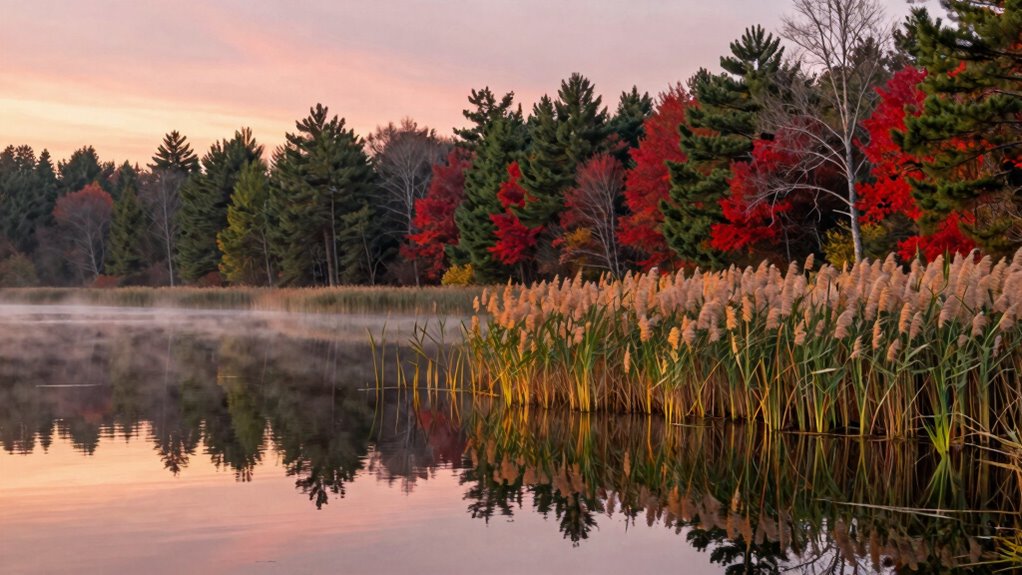

Revisiting the same spot all year allows you to witness the natural rhythms and seasonal changes firsthand, helping you recognize patterns in wildlife, plants, and weather. You’ll notice subtle shifts in the environment, deepen your understanding of ecosystems, and develop a stronger personal connection to the land. This ongoing observation sharpens your ecological awareness and patience, revealing a living story that unfolds with each season. Keep exploring, and you’ll discover even more of nature’s fascinating details.

Get garden gear delivered free — and shop member deals
- Fast, free delivery on millions of items
- Access to Prime Big Deal Days deals on October 6–7
- Prime Video, Amazon Music and more included
Key Takeaways
- To observe seasonal changes and understand ecological rhythms over time.
- To recognize patterns in wildlife behavior and plant blooming cycles.
- To deepen personal connection and sense of belonging within nature.
- To develop keen observation skills and ecological awareness.
- To appreciate the ongoing, dynamic “dance” of life in its natural environment.
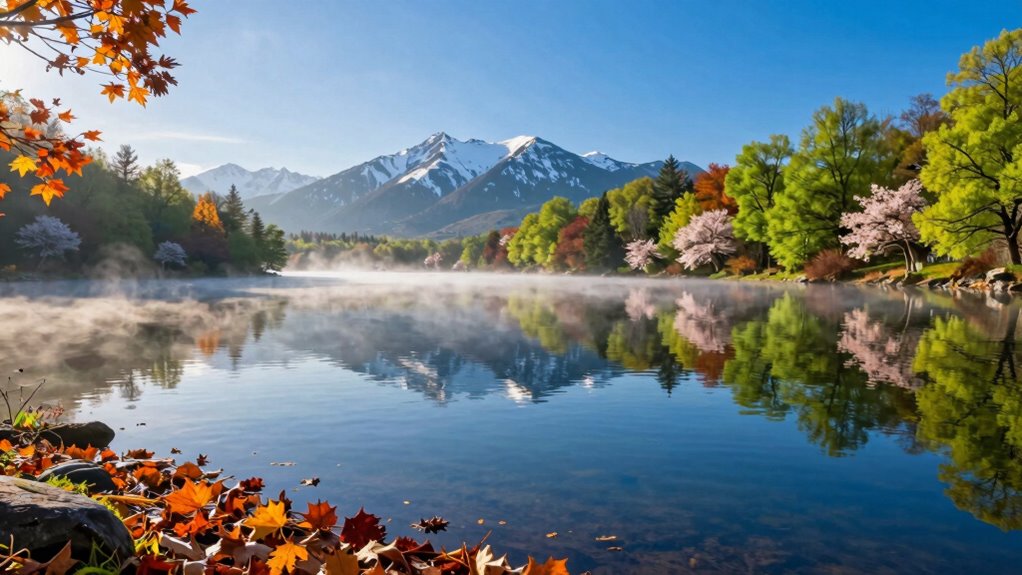
There’s a unique magic in returning to the same spot throughout the year, and it’s something you might not immediately notice. As the seasons shift, the landscape transforms before your eyes, revealing a rhythm that’s both predictable and surprising. You’ll see trees shed their leaves in autumn, creating a tapestry of warm hues, only to burst into fresh greenery come spring. The quiet stillness of winter gives way to lively, bustling scenes in summer. These seasonal changes shape your experience, adding layers of depth and meaning you wouldn’t get from a single visit.
By revisiting the same location over time, you gain a front-row seat to nature’s cycles. You’ll start to recognize patterns—when certain flowers bloom, when animals become more active, or when the weather turns particularly dramatic. It’s like watching a story unfold, chapter after chapter, with each visit revealing new details. This ongoing observation becomes a personal narrative, one that deepens your connection to the land and its inhabitants. Additionally, observing seasonal patterns can enhance your understanding of how climate influences local ecosystems and wildlife behaviors.
Revisiting the same place reveals nature’s stories, deepening your bond through seasonal patterns and unfolding details.
Wildlife observation is a key part of this journey. As the months pass, you’ll notice different creatures at different times of the year. In spring, you might catch sight of nesting birds or the first signs of new mammals emerging from hibernation. Summer brings a flurry of activity—bees buzzing, butterflies fluttering, and young animals exploring their surroundings. When fall arrives, you’ll see animals preparing for winter, gathering food, or changing their behavior to survive the colder months. Winter, though quieter, offers its own rewards: tracks in the snow, the silhouette of a lone fox, or birds braving the cold. Each visit offers a new perspective, a chance to witness nature’s resilience and adaptability.
Revisiting the same spot also sharpens your skills in wildlife observation. You start noticing subtle cues—how animals behave differently in various seasons, how the environment responds to weather changes, and how your own perceptions evolve. Over time, you develop a deeper appreciation for the delicate balance that sustains this ecosystem. More importantly, you cultivate patience and mindfulness, learning to slow down and truly observe. Observing biodiversity over time helps deepen your understanding of ecosystem health and the importance of conservation efforts. Recognizing these interconnected patterns enhances your overall awareness of ecological processes.
Ultimately, the best reason to revisit the same spot all year is that it allows you to witness life’s ongoing dance in its full complexity. It’s an invitation to slow down, observe closely, and become a part of the natural world’s ever-changing story. And in doing so, you find a sense of belonging and understanding that no single visit could ever offer.
As an affiliate, we earn on qualifying purchases.
Frequently Asked Questions
How Do Seasonal Changes Affect Local Wildlife?
Seasonal changes profoundly influence wildlife behavior and adaptations. As seasons shift, animals adjust their activities—some migrate, hibernate, or change their diets—to survive. You’ll notice wildlife becoming more active in spring and summer, then slowing down in winter. These seasonal adaptations help animals conserve energy and thrive despite changing conditions, making your observations of local wildlife a fascinating reminder of nature’s resilience and flexibility throughout the year.
What Hidden Features Can Be Discovered Throughout the Year?
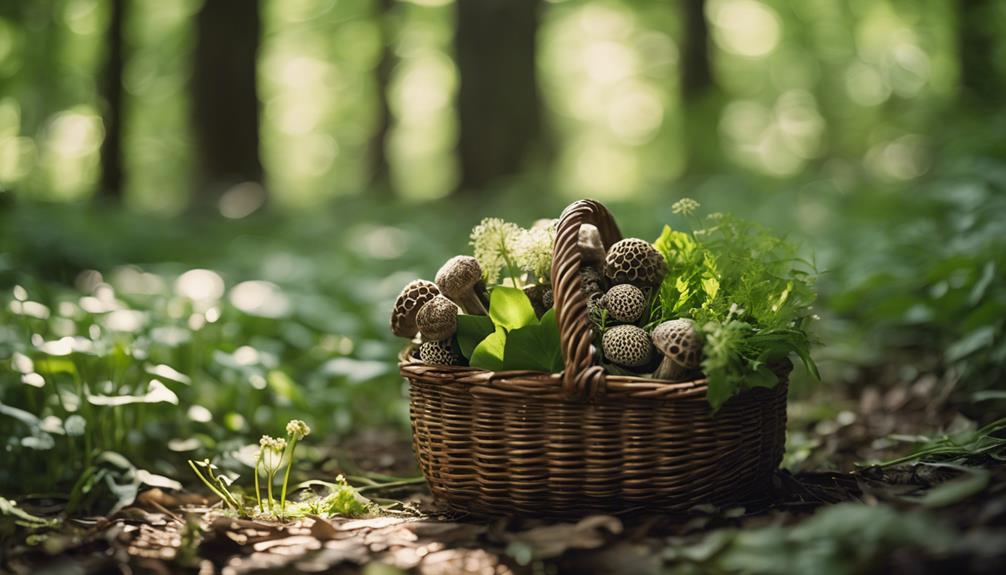
Like a treasure map, your explorations reveal hidden features throughout the year. You’ll notice flora diversity changing with seasons, revealing secret blooms in spring and rare fungi in fall. Weather patterns uncover subtle shifts—moss thriving after rain or berries ripening in the sun. Repeated visits uncover these hidden gems, allowing you to witness nature’s quiet surprises, making each season a new chapter in your discovery journey.
How Does Visiting the Same Spot Improve Personal Connection?
Visiting the same spot repeatedly deepens your personal growth and emotional connection with the place. You notice subtle changes over time, fostering a sense of familiarity and trust. This consistency helps you understand your reactions and feelings better, strengthening your bond. As you observe seasons shifting or small details emerging, you build a meaningful connection that nurtures your self-awareness and emotional resilience.
Are There Any Safety Concerns During Different Seasons?
Think of visiting a spot all year like sailing through changing seas—each season brings new weather-related hazards. You should always consider seasonal safety precautions, like avoiding icy paths in winter or staying hydrated during summer heatwaves. For example, I once slipped on wet leaves in fall because I didn’t check the weather forecast. Staying aware of weather-related hazards guarantees you stay safe, no matter the season.
What Are the Best Times for Photography at This Location?
You’ll want to visit early morning or late afternoon for ideal lighting, especially if you’re into urban exploration and capturing cityscapes. Night photography is best on clear nights when the city lights shine brightly, giving your shots a vibrant, lively feel. These times offer unique lighting and atmosphere, so you can experiment with different moods and perspectives, making each visit fresh and exciting.
nature journal for outdoor tracking
As an affiliate, we earn on qualifying purchases.
As an affiliate, we earn on qualifying purchases.
Conclusion
Revisiting the same spot year-round reveals subtle changes you might never notice otherwise. Did you know that the average person visits a familiar place just 7 times a year? By going back more often, you’ll witness nature’s shifts firsthand—colors changing, wildlife emerging, weather transforming. These small moments deepen your connection and appreciation. So, keep exploring the same spot throughout the year; it’s the best way to truly see how life evolves right before your eyes.
As an affiliate, we earn on qualifying purchases.
compact field guide to plants and animals
As an affiliate, we earn on qualifying purchases.
As an affiliate, we earn on qualifying purchases.
Halloween Picks
halloween
As an affiliate, we earn on qualifying purchases.