To identify edible plants safely, you need to master the smell, snap, and sip tests. Crush a small part of the plant to check its scent—pleasant aromas help confirm edibility, while foul smells signal danger. Gently snap seeds or pods to assess freshness—firm snaps often indicate ripeness. Finally, take a cautious sip or taste to gauge flavor, but always cross-check with other clues. Continue exploring these techniques to boost your foraging confidence and safety.

Get garden gear delivered free — and shop member deals
- Fast, free delivery on millions of items
- Access to Prime Big Deal Days deals on October 6–7
- Prime Video, Amazon Music and more included
Key Takeaways
- Sensory tests—smell, snap, and sip—are essential tools for accurately identifying edible plants in foraging.
- Always use the smell test to detect recognizable, pleasant aromas and avoid foul or chemical odors.
- The snap test helps assess freshness and ripeness but should be combined with other identification methods for safety.
- Sip or taste tests can reveal flavor clues but require caution and verification to prevent ingesting toxic plants.
- Never rely solely on one test; cross-reference visual, scent, and texture cues, and consult reputable sources for confirmation.
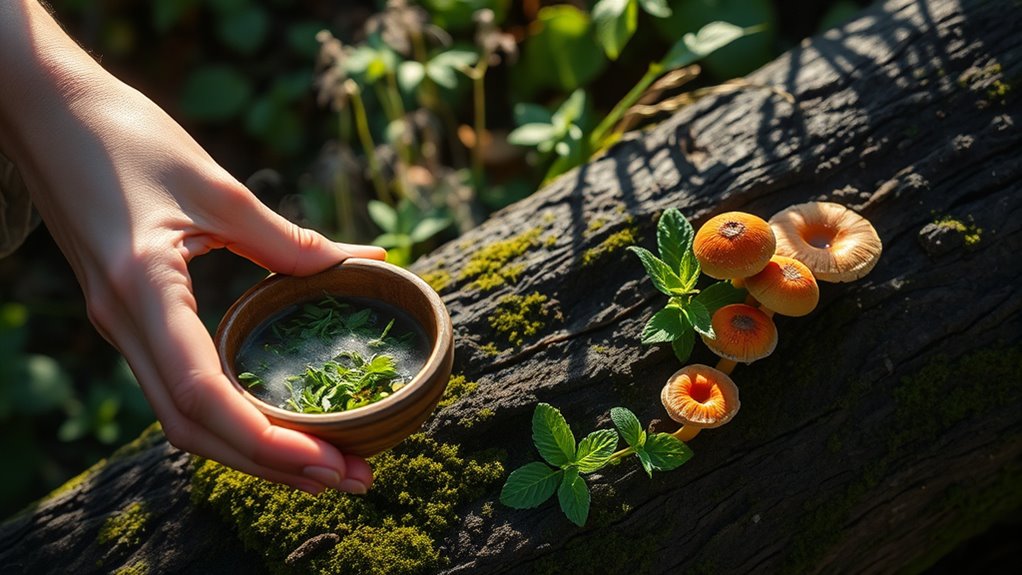
When foraging for wild foods, your senses are your most valuable tools. They help you distinguish edible plants from dangerous look-alikes and guarantee your safety. Mastering sensory tests like smell, snap, and sip can markedly improve your ability to identify safe, delicious wild foods. However, before relying on these tests, you need to focus on proper plant identification and always follow safety precautions. Misidentification can lead to serious health risks, so never assume a plant is safe based solely on appearance or scent without thorough knowledge. Use reputable guides, learn from experienced foragers, and verify your identifications with multiple sources.
Your senses are vital for safe wild food foraging; always verify plant identifications thoroughly before tasting.
The smell test is often the first step in plant identification. When you encounter a plant, gently crush a small part—like a leaf, stem, or flower—and inhale deeply. Many edible plants have distinctive, pleasant aromas that can help confirm their identity. For example, the aroma of wild mint or basil is unmistakable. Conversely, some toxic plants emit foul or chemical smells that serve as warning signs. Always trust your nose, but don’t rely on scent alone. Smell can be misleading if you’re unfamiliar with the plant or if it’s been affected by environmental factors. That’s why safety precautions are essential: never eat anything based solely on smell, and always cross-reference with visual cues and other identification methods.
The snap test involves assessing a plant’s texture and structure. For certain nuts, seeds, or pods, you can gently crack them open to examine their insides. A fresh, firm snap often indicates a ripe or edible seed—think of fresh peas or beans. This test helps you gauge ripeness and edibility, but it’s not foolproof. Some toxic seeds may also snap easily, so always combine this with other identification techniques. Remember, safety precautions mean never trying a plant or seed solely based on one test. If you’re unsure, consult a reliable guide or expert before proceeding.
The sip test is particularly useful for identifying wild berries and fruits. Carefully take a small sip or taste a tiny piece, paying close attention to the flavor. A sweet, nutty, or tart taste can be a good sign, but always remember that some toxic berries mimic edible ones in flavor. Never swallow or eat a large amount during this test. Instead, combine the sip with visual examination—checking the plant’s color, shape, and growth pattern—and scent. Safety precautions are essential: if anything about the plant seems off or unfamiliar, avoid tasting it altogether. When in doubt, err on the side of caution and seek expert advice. Additionally, understanding the role of color accuracy in visual identification can help distinguish safe plants from look-alikes more effectively.
Frequently Asked Questions
How Do I Prevent Cross-Contamination During Sensory Testing?
To prevent cross-contamination during sensory testing, you should follow strict sanitization protocols for all utensils and testing areas. Always use clean, disposable sampling tools and wash hands thoroughly between tests. Label samples clearly to avoid mix-ups, and keep testing environments organized. By adhering to contamination prevention practices, you guarantee accurate results and maintain the integrity of each sensory assessment, protecting both your palate and the quality of your findings.
Can Sensory Tests Be Adapted for Visually Impaired Foragers?
You can adapt sensory tests for visually impaired foragers through tactile identification, auditory cues, and verbal descriptions. Use adaptive techniques like textured markers or raised symbols to help identify plants, and incorporate sound-based clues to distinguish features. Encourage verbal cues and tactile exploration, enabling foragers to confidently assess their environment and make safe choices. These methods guarantee inclusivity while maintaining the effectiveness of sensory testing.
What Equipment Is Essential for Conducting Accurate Sensory Tests?
To conduct accurate sensory tests, you need essential equipment like small sample containers, tasting spoons, and blindfolds to guarantee unbiased sampling. Create controlled testing environments free from distractions and strong odors. Focus on proper sampling techniques, such as using consistent sample sizes and exposure methods. This setup helps you accurately assess sensory qualities, enabling you to make informed foraging decisions based on reliable, repeatable results.
How Often Should I Perform Sensory Tests to Improve Accuracy?
To improve accuracy in sensory tests, you should perform them regularly, ideally weekly or biweekly. Consistent frequency training helps reinforce your skills and sharpens your senses over time. By maintaining a steady schedule, you build confidence and develop better discrimination abilities. Remember, the more consistently you practice, the more precise your observations become, making your foraging more successful and ensuring you don’t miss important cues in your environment.
Are There Any Health Risks Associated With Certain Foraged Foods?
Did you know that about 1 in 10 foraged foods can be toxic if misidentified? You should always conduct thorough toxicity assessments and allergen identification before consuming anything wild. Some plants and fungi contain dangerous compounds, risking poisoning or allergic reactions. Regularly updating your knowledge and practicing caution helps prevent health risks, ensuring your foraging experience remains safe and enjoyable.
Conclusion
Mastering smell, snap, and sip isn’t just about skill—it’s about safety and success. When you sharpen these sensory skills, you’ll confidently identify edibles, avoid dangers, and enhance your foraging finesse. Practice persistently, pay close attention, and trust your senses. With each test, you’ll become more mindful and more masterful. So, step boldly, savor the sensations, and let your senses lead your foraging adventures to fruitful and fearless findings.
Halloween Picks
halloween
As an affiliate, we earn on qualifying purchases.