To build a community foraging club, start by promoting safety through accurate plant identification and environmental awareness. Use social media, local boards, and partner with organizations to attract members. Organize educational outings, workshops, and shared recipes to foster engagement. Emphasize respecting nature and safe harvesting practices to build trust. Creating a welcoming, knowledgeable environment encourages responsible foraging and sustainable growth. Keep exploring ways to strengthen your club’s focus on safety, education, and community spirit.

Get garden gear delivered free with Prime
- Fast, free delivery on millions of items
- Prime Video, Amazon Music and more included
- Member-only deals all year
Key Takeaways
- Establish safety protocols and expert-led workshops for accurate plant identification and sustainable harvesting.
- Utilize local media, social platforms, and partnerships to promote the club and attract diverse members.
- Emphasize environmental respect and safety guidelines during activities to foster responsible foraging practices.
- Organize engaging events like plant hunts and cooking classes to build community and deepen knowledge.
- Share resources, success stories, and foster collaboration to create an informed, enthusiastic foraging community.
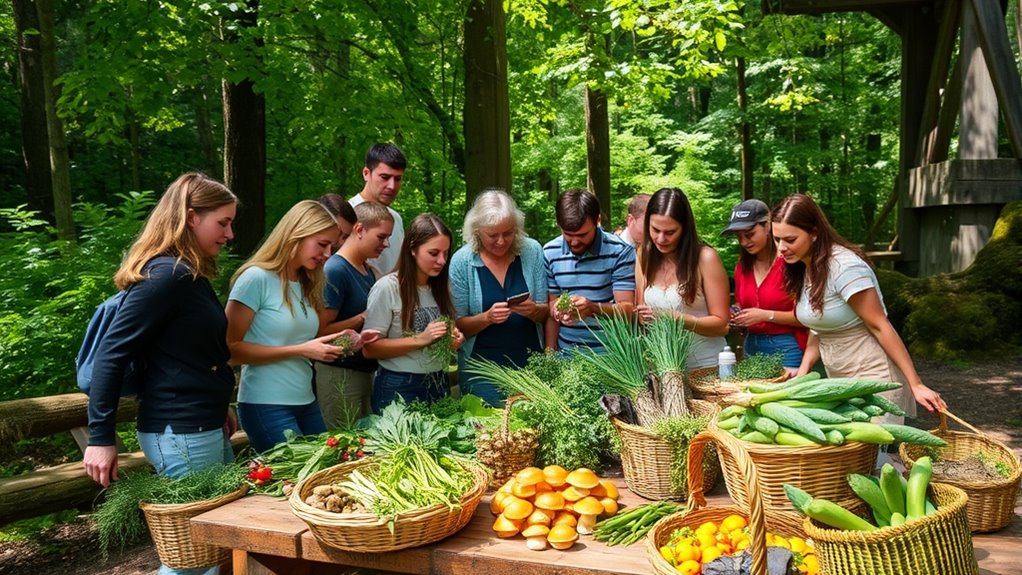
Have you ever wondered how to turn your love of wild plants into a shared community activity? Starting a foraging club can be a rewarding way to connect with others who share your passion, but it requires careful planning and a focus on safety. The first step is ensuring everyone’s well-being by emphasizing foraging safety. Educate your group on how to identify plants accurately, avoid toxic species, and recognize signs of environmental contamination. Establish clear guidelines about what’s safe to harvest and how much to collect, so the activity remains sustainable and safe for everyone involved. You can also invite experts or experienced foragers to lead workshops on plant identification and safe foraging techniques, which helps build confidence and minimizes risks. Promoting these safety practices early on sets a solid foundation for your club’s growth and credibility.
Once safety is addressed, focus on developing effective club outreach strategies. You want to reach as many potential members as possible and foster a sense of community. Utilize social media platforms, local bulletin boards, and community centers to spread the word about upcoming foraging outings and events. Consider partnering with local environmental organizations, farmers’ markets, or educational groups to expand your reach. Hosting introductory sessions or open-foraging days can attract newcomers and give them a taste of what your club offers. Be inclusive by highlighting the benefits of foraging—such as connecting with nature, learning new skills, and contributing to local food sources. Sharing success stories, photos, and testimonials from current members can inspire others to join and participate.
Your outreach efforts should also include clear communication about safety protocols and the importance of respecting the environment. Encourage members to share their own tips and experiences, creating an engaging, collaborative atmosphere. Provide resources like field guides or mobile apps that assist with plant identification, further supporting safe foraging practices. As your club grows, consider organizing themed outings—seasonal plant hunts or cooking classes—that deepen members’ knowledge and skills. Remember, building a community isn’t just about gathering people; it’s about creating trust, shared purpose, and collective responsibility for safe, sustainable foraging. A good understanding of projector technology can also enhance your ability to share visual resources during educational sessions, making learning more engaging. By combining strong safety practices with targeted outreach strategies, you’ll foster a vibrant, informed community that’s enthusiastic to explore and enjoy the bounty of wild plants responsibly.
Frequently Asked Questions
How Do I Ensure Sustainable Foraging Practices?
To guarantee sustainable foraging practices, you should follow foraging ethics by only taking what you need and leaving enough for the ecosystem. Always focus on accurate plant identification to avoid harming rare or protected species. Educate yourself regularly on local regulations and sustainable harvesting methods, and share this knowledge with your community. By respecting nature’s balance and practicing responsible foraging, you help preserve plant populations for future generations.
What Permits or Legal Considerations Are Involved?
Sure, you can’t just go wild and pluck away—local regulations often require permits, so check with your city or landowner first. Don’t forget liability waivers; they’re your club’s best defense against unexpected lawsuits from accidental mishaps. Skipping these steps? That’s like trying to hide a forest of permits under a tiny mushroom cap—inevitably, you’ll get caught. Stay legal, stay safe, and keep foraging fun!
How Can I Attract Beginners to the Club?
To attract beginners, focus on clear community outreach that emphasizes safety and fun. Share beginner-friendly foraging etiquette, like respecting nature and identifying safe plants, to build trust. Host free workshops or social events where newcomers can learn and ask questions. Use social media to showcase success stories and encourage sharing. Creating a welcoming environment helps beginners feel comfortable, making them more likely to join and stay engaged in your foraging club.
What Safety Protocols Should Be Established?
Think of safety as your guiding star. You should establish protocols like always carrying proper foraging gear—knife, gloves, basket—and knowing local regulations to avoid legal issues. Teach members how to identify edible plants correctly and warn against toxic lookalikes. Encourage buddy systems and emergency plans. By setting these safety standards, you create a secure environment where beginners feel confident exploring nature’s bounty safely.
How Do I Identify and Avoid Toxic Plants?
To identify and avoid toxic plants, you should focus on accurate plant identification and toxicity prevention. Use reliable field guides and apps to recognize edible versus harmful species. Always double-check unfamiliar plants before harvesting, and learn key features like leaf shape, flowers, and scent. Avoid plants with warning signs like milky sap or bad odor. When in doubt, don’t collect it—prioritizing safety keeps your foraging enjoyable and risk-free.
Conclusion
As you bring together fellow foragers, remember that many hands make light work. By sharing knowledge and passion, you create a thriving community rooted in respect and curiosity. Keep in mind, a rising tide lifts all boats—your efforts will inspire others to explore, learn, and grow alongside you. Together, you’ll cultivate not just a foraging club, but a supportive space where nature’s bounty becomes a shared adventure for everyone involved.
Halloween Picks
halloween
As an affiliate, we earn on qualifying purchases.