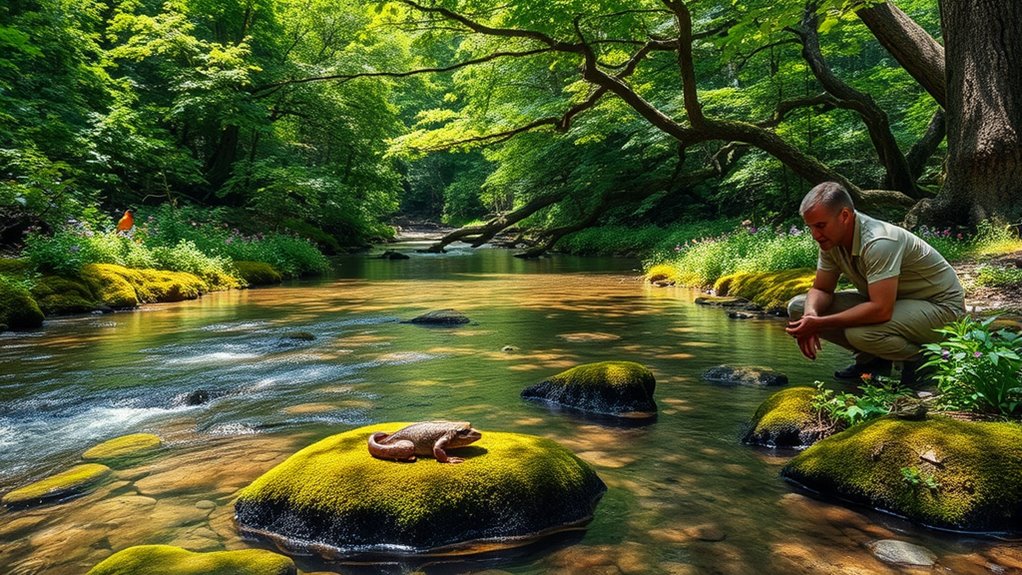

To respect protected species and sensitive habitats, you should always stick to designated paths, avoid disturbing wildlife, and follow local guidelines. Supporting conservation efforts and participating in initiatives help maintain these fragile environments. Your actions, like reducing pollution and refraining from touching or feeding animals, make a difference. By understanding their needs and effects of human activity, you can help ensure their survival. There’s more to discover about how you can actively contribute to safeguarding our planet’s biodiversity.

Get garden gear delivered free with Prime
- Fast, free delivery on millions of items
- Prime Video, Amazon Music and more included
- Member-only deals all year
Key Takeaways
- Follow laws and guidelines protecting endangered species and their habitats.
- Avoid disturbing wildlife, especially during breeding and nesting seasons.
- Stick to designated paths and avoid trampling sensitive vegetation or breeding sites.
- Support conservation initiatives and participate in habitat preservation efforts.
- Educate yourself and others about the importance of protecting vulnerable species and ecosystems.
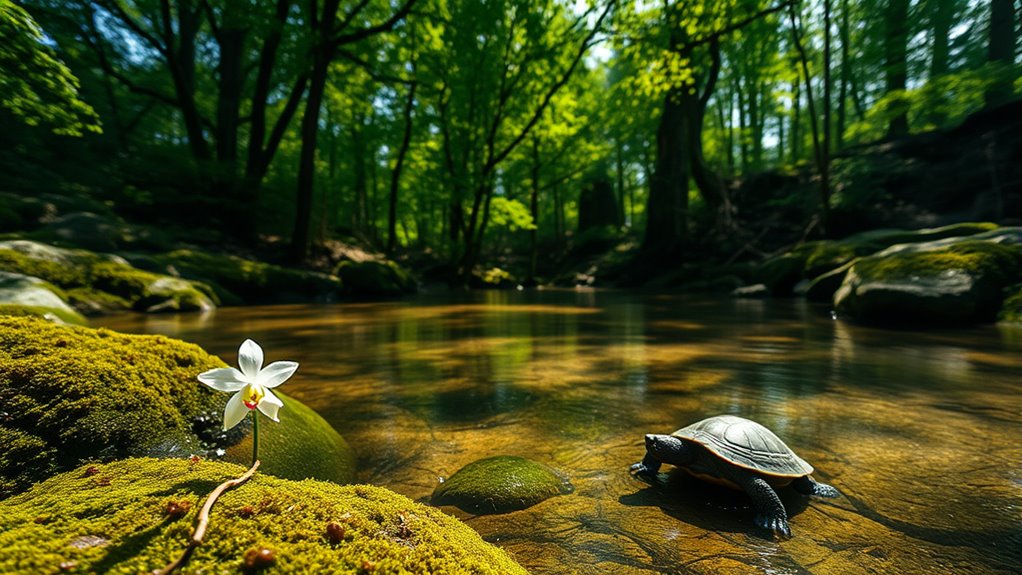
Have you ever wondered why certain species are protected by law? It’s because these animals and plants play essential roles in their ecosystems, and their survival depends on us understanding and respecting their needs. One key reason for protection is to safeguard their breeding behaviors. When species are left undisturbed during critical reproductive periods, they can successfully mate, nurture their young, and ensure the continuation of their populations. Disturbances during breeding seasons—like habitat destruction or human interference—can disrupt these behaviors, leading to decreased reproductive success and, ultimately, population declines. Protecting these species means creating safe environments where they can carry out their natural breeding processes without stress or interruption. Understanding the importance of these factors can help you make better choices in your daily life. For example, supporting conservation efforts, respecting protected areas, and avoiding activities that harm sensitive habitats are ways you can contribute. When you visit natural sites, stick to designated paths, avoid disturbing wildlife, and follow guidelines meant to minimize impact. These small actions help ensure that breeding behaviors are not disrupted and habitats remain intact. Education about the significance of protected species can also inspire you to advocate for stronger conservation policies and to participate in local or global initiatives aimed at habitat preservation. Recognizing the critical role of habitat preservation in supporting biodiversity emphasizes the importance of protecting natural environments. Respecting protected species isn’t just about observing regulations; it’s about recognizing our responsibility to maintain the health and diversity of life on Earth. By understanding and supporting the importance of breeding behaviors and habitat preservation, you help create a future where these species can continue to thrive. Every effort counts—whether it’s reducing pollution, supporting conservation programs, or simply being mindful of your impact. Protecting these species ensures that future generations will also get to enjoy the wonder of a rich, balanced natural world.
Frequently Asked Questions
How Can I Identify Protected Species in My Area?
You can identify protected species in your area through species identification guides and by conducting habitat surveys. Look for specific signs like unique markings, behaviors, or habitats that indicate their presence. Consulting local wildlife agencies or experts can also help, as they often have data on protected species. Regularly observing the environment and noting any unusual animal activity or plant growth will improve your chances of spotting and correctly identifying protected species.
Are There Penalties for Accidentally Harming Protected Habitats?
Did you know that unintentional violations of protected habitats can lead to hefty fines—sometimes up to $50,000—and even jail time? Yes, there are penalties for accidentally harming protected habitats, and enforcement consequences are strict to preserve our environment. It’s crucial to stay informed and cautious, as authorities actively monitor and penalize violations. Being careful and knowledgeable helps you avoid costly mistakes and protects essential ecosystems.
What Organizations Oversee Protected Species Regulations?
You’ll find that organizations like the U.S. Fish and Wildlife Service and NOAA oversee protected species regulations. They focus on species conservation and habitat preservation, ensuring laws are followed to protect endangered animals and their environments. These agencies monitor activities, enforce regulations, and provide guidance to prevent harm. By working with these organizations, you help support efforts to maintain healthy ecosystems and safeguard biodiversity for future generations.
Can I Volunteer for Habitat Restoration Projects?
Yes, you can volunteer for habitat restoration programs. Many organizations offer volunteer opportunities that let you actively contribute to restoring and protecting sensitive habitats. You might help plant native species, remove invasive plants, or monitor wildlife. Check local conservation groups or national parks for upcoming projects. Volunteering not only benefits the environment but also gives you a rewarding way to connect with nature and support protected species.
How Does Climate Change Impact Protected Species and Habitats?
You might not realize it, but climate change threatens over 80% of protected species and habitats. It disrupts their ecosystems, making climate adaptation strategies and habitat resilience planning essential. By supporting these efforts, you help safeguard delicate environments and species from rising temperatures, sea levels, and extreme weather. Your involvement can make a real difference in ensuring these habitats stay healthy and resilient for future generations.
Conclusion
By respecting protected species and delicate habitats, you become a guardian of nature’s greatest treasures, much like those ancient explorers who understood the importance of preserving what’s fragile. Remember, every small act of kindness echoes through the web of life, shaping a future where these wonders continue to thrive. Together, you can guarantee that nature’s symphony plays on, resilient and vibrant, for generations to come. Your choices truly make a difference—embrace that responsibility.
Fall yard work Picks
leaf blowers
As an affiliate, we earn on qualifying purchases.