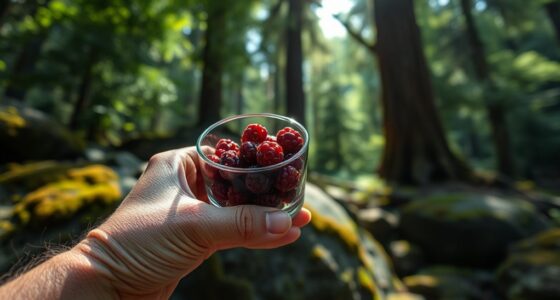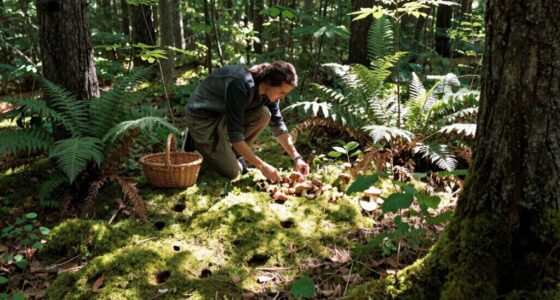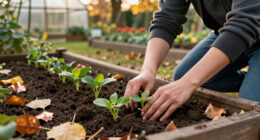
To safeguard your plants during harvest, use gentle techniques like pruning with scissors or shears instead of pulling or tearing. Harvest in dry conditions to reduce damage and disease risk, and only remove what’s necessary to prevent over-harvesting. Handle crops carefully to minimize trauma and promote quick recovery. Supporting sustainable practices by leaving enough foliage encourages future growth. If you keep these methods in mind, you’ll preserve plant health and ensure ongoing productivity.

Get garden gear delivered free with Prime
- Fast, free delivery on millions of items
- Prime Video, Amazon Music and more included
- Member-only deals all year
Key Takeaways
- Use scissors or pruning shears instead of pulling or tearing to gently harvest crops.
- Harvest during dry conditions to minimize physical damage and disease transmission.
- Remove only necessary amounts to prevent overharvesting and support plant health.
- Leave sufficient foliage and roots to promote plant recovery and future growth.
- Time the harvest appropriately based on color, firmness, and maturity to avoid damaging the plant.
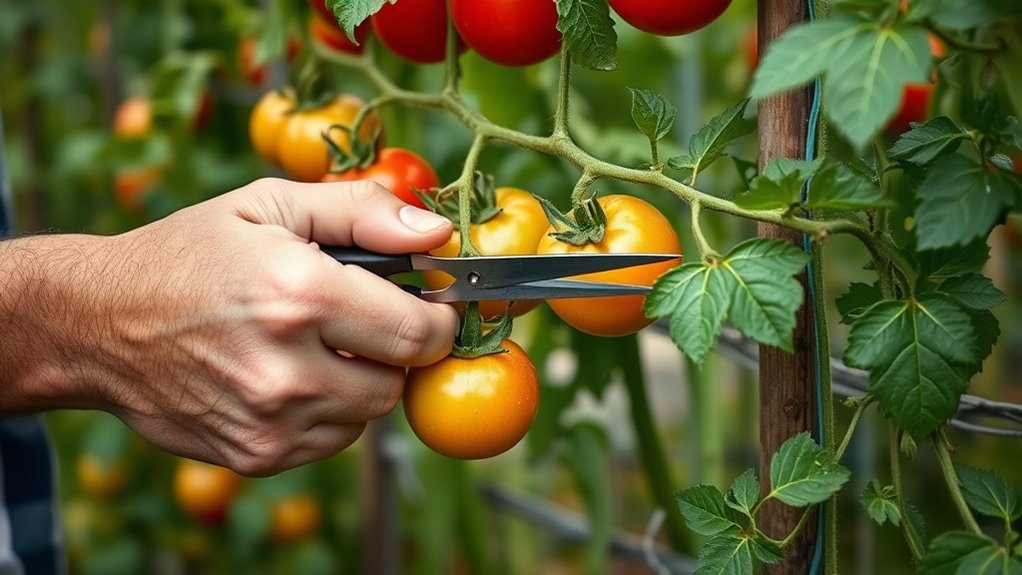
Harvesting is a critical step in ensuring the quality and yield of your crops, and choosing the right technique can make all the difference. When you focus on sustainable methods, you’re not just preserving the health of your plants today but also ensuring their vigor for future harvests. One key aspect of effective harvesting is understanding the proper timing. Timing your harvest correctly minimizes damage to the plant and maximizes crop quality. If you pick too early, the produce might not be fully developed, reducing flavor and nutritional value. Wait too long, and you risk overripening or pest damage. Monitoring indicators like color, firmness, and maturity stages helps you identify that perfect window for harvest, which is essential for maintaining plant health and ensuring a sustainable approach.
Timing your harvest optimizes crop quality while protecting plant health and promoting sustainable farming practices.
Using proper techniques during harvest can considerably protect your plants from unnecessary stress or injury. When you handle crops gently and use appropriate tools, you reduce the risk of damaging stems, roots, or leaves. For example, when harvesting fruits or vegetables, cut with scissors or pruning shears rather than pulling or tearing. This approach minimizes trauma and encourages quicker healing, which is crucial for the plant’s ongoing growth and resilience. Additionally, always aim to harvest in dry conditions when possible. Wet plants are more prone to disease transmission and physical damage during handling, so timing your harvest for a dry period supports both plant health and the sustainability of your farming practices.
Another way to protect your plants is to avoid over-harvesting. Removing only what you need at each session helps your plants recover and continue producing more. Overharvesting can weaken the plant’s structure, making it vulnerable to pests, disease, and environmental stress. It’s also important to leave some of the plant intact so it can focus energy on regrowth. For perennials, this means leaving enough foliage and roots to sustain future growth cycles. This sustainable method not only benefits your current crop but also promotes long-term productivity, reducing the need for additional interventions like replanting or chemical treatments.
Furthermore, staying informed about local divorce statistics and legal resources can help in planning your farming activities, especially when considering land rights, ownership, or succession planning, which are crucial for sustainable farming operations.
Lastly, consider post-harvest handling. Proper storage and minimal disturbance preserve the quality of your crops and reduce waste. By respecting the plant’s natural cycle and timing your harvest appropriately, you’re supporting a sustainable farming system that balances productivity with ecological health. When you combine careful timing with gentle, proper techniques, your crops stay healthier longer, your soil remains resilient, and your farm can thrive season after season. These practices ultimately lead to better yields, fewer pests, and a more sustainable approach to farming that benefits everyone involved.
Frequently Asked Questions
How Does Harvesting Timing Affect Plant Longevity?
You should carefully consider harvest timing because it directly impacts plant longevity. If you harvest too early, the plant may not have reached full maturity, reducing its ability to recover and produce again. Conversely, harvesting too late can stress the plant, leading to decreased longevity and health. By timing your harvest correctly, you help make certain the plant remains healthy, productive, and capable of thriving in future growth cycles.
Which Tools Minimize Damage During Harvest?
Think of harvesting tools as your gentle hands, guiding delicate blooms without bruising. Use tools with good ergonomics, like sharp pruners or scissors, to guarantee precise cuts and minimize damage. These tools act as your allies, enabling you to handle plants with care. By choosing ergonomically designed tools and practicing gentle handling, you protect the plant’s health, encouraging quicker recovery and future growth, much like nurturing a fragile gift with respect.
Can Harvesting Techniques Influence Pest Resistance?
Yes, harvesting techniques can influence pest resistance by supporting integrated pest management strategies. When you use gentle handling and avoid damaging plants, you help reduce pest attraction. Incorporating crop rotation during planting and harvesting disrupts pest cycles, making pests less likely to develop resistance. These methods work together to maintain healthy plants, decrease pest problems, and promote sustainable pest control without relying heavily on chemical treatments.
Are There Specific Methods for Delicate Plant Varieties?
Yes, there are specific methods for delicate plant varieties. You should use gentle harvesting tools like scissors or pruners to minimize damage. Handle the plants carefully, supporting their stems and avoiding unnecessary contact that could cause bruising. Use a light touch during plant handling to prevent stress or injury. These techniques help preserve the plant’s health, ensuring better growth and yield while protecting delicate varieties from harm during harvest.
How to Train Workers on Proper Harvesting Practices?
You should implement extensive worker training programs focused on harvesting safety. Start by demonstrating gentle handling techniques that protect delicate plants, emphasizing the importance of proper tools and timing. Use hands-on practice and clear instructions to reinforce best practices. Regularly monitor and provide feedback to guarantee consistency. By investing in thorough training, you help safeguard both your workers and your crops, fostering a responsible, efficient harvesting environment that values plant health.
Conclusion
By mastering gentle harvesting techniques, you’re not just picking plants—you’re nurturing their future. Think of yourself as a caring gardener, delicately plucking each fruit or leaf like a precious gem, ensuring the plant’s health continues to flourish. Every careful cut and mindful move helps build a resilient, thriving garden that rewards your patience and respect. When you harvest with care, you’re weaving a lasting bond between you and nature’s bounty, ensuring beauty blooms season after season.
Fall Picks
fall essentials
As an affiliate, we earn on qualifying purchases.