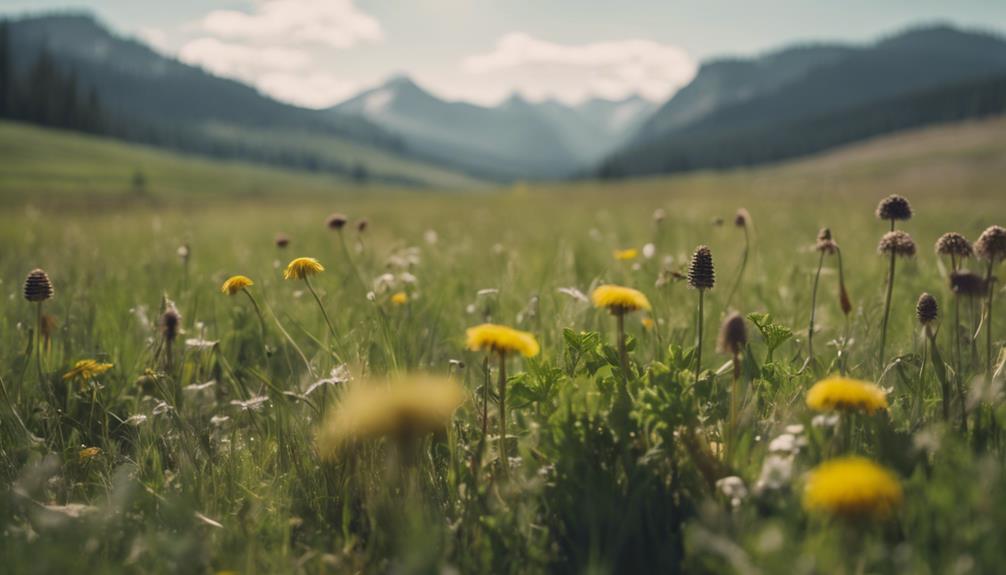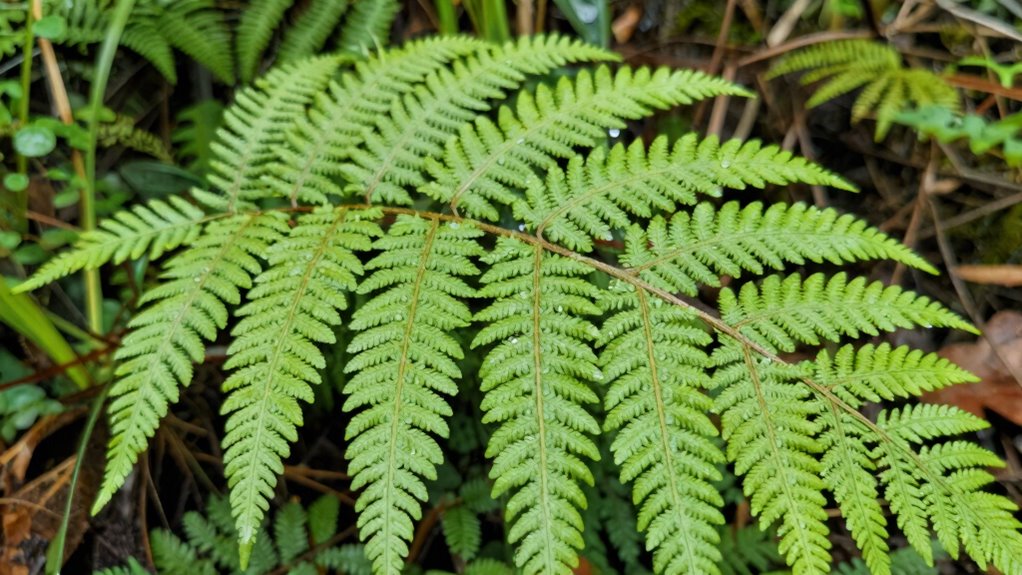

To photograph plants effectively for later identification, focus on capturing clear, detailed images by using natural, diffused light, such as early mornings or cloudy days. Keep your camera steady with a tripod and use a small aperture (f/8 or f/11) to guarantee sharpness throughout the image. Pay attention to your focus, highlighting key features like leaves or flowers, and consider multiple shots for focus stacking. If you continue, you’ll discover even more ways to enhance your plant photos.
Key Takeaways
- Use natural, diffused light during early morning or late afternoon for soft, detailed plant images.
- Employ a small aperture (f/8 or f/11) and low ISO (100-200) to maximize sharpness and detail.
- Focus precisely on key features like leaves or flowers, and consider focus stacking for complete clarity.
- Compose shots to highlight distinctive plant features, ensuring a clear, distraction-free background.
- Stabilize your camera with a tripod and shoot in RAW format for better post-processing and detail preservation.
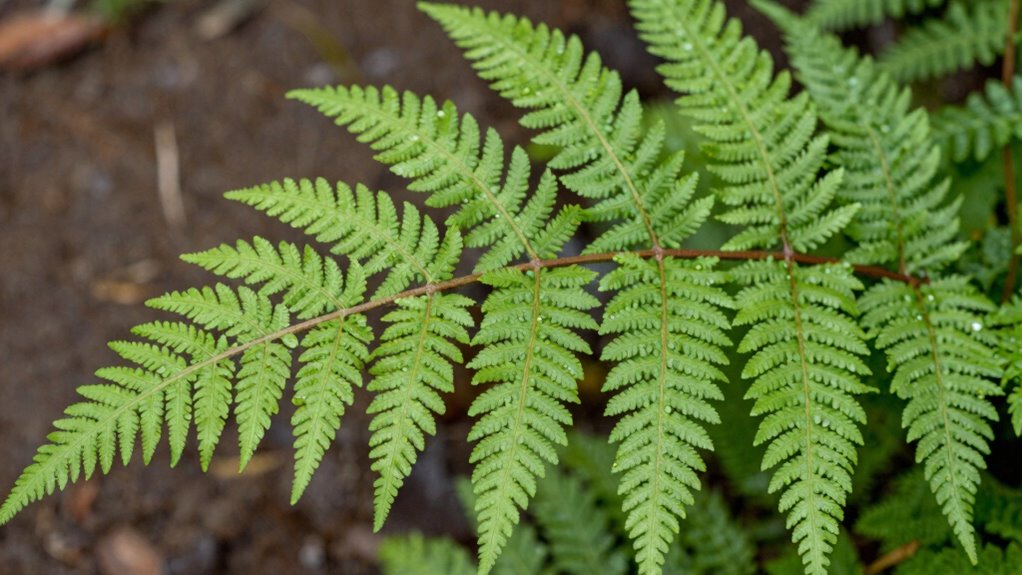
Capturing clear, detailed photos of plants is essential for accurate identification later on, but it’s easy to overlook key features in a hurried shot. To improve your plant photography, start by paying close attention to lighting techniques. Natural light is your best friend—shoot early in the morning or late in the afternoon when sunlight is softer and less harsh. Overexposed images wash out details, so avoid direct midday sun, which can create strong shadows and glare. If you’re in bright conditions, use diffusers or shoot in shaded areas to reduce harsh contrasts. Cloudy days also provide even, diffused light that reveals intricate plant features without stark shadows. When working indoors, position your plant near a window with indirect light, and consider using sheer curtains to soften the illumination further.
Next, focus on adjusting your camera settings to capture sharp, detailed images. Use a small aperture (higher f-stop number) like f/8 or f/11 to increase depth of field, ensuring that both the foreground and background are in focus. This is especially important for capturing close-up shots of leaves, flowers, or stem details. A low ISO setting, such as ISO 100 or 200, helps reduce grain and produce cleaner images, which is vital for identifying tiny features. When possible, switch to manual mode to gain control over exposure, shutter speed, and aperture, rather than relying on automatic settings that may misjudge the scene. Use a tripod or stabilize your camera against a steady surface to prevent blur, particularly if you’re working with slower shutter speeds. If your camera has focus stacking options, utilize them to combine multiple images with different focus points, resulting in a sharp, detailed shot. Additionally, understanding lighting techniques and how they affect your photos can significantly enhance your ability to capture crucial plant features. Paying attention to camera settings—including aperture, ISO, and focus—can further improve image quality and detail. Incorporating proper composition principles can help emphasize the most important features of your plant, making identification easier.

Amazon Basics 50-inch Lightweight Portable Camera Tripod Stand with Quick-Release Plate, Adjustable Height, Aluminum, for Travel Photography, Champagne
- Includes Storage Bag: Zippered storage for portability
- Adjustable Height: 16.1 to 50 inches with lever-lock legs
- Lightweight Aluminum: Weighs only 1.23 lbs for easy carrying
As an affiliate, we earn on qualifying purchases.
As an affiliate, we earn on qualifying purchases.
Frequently Asked Questions
What Camera Settings Are Best for Plant Photography?
To get sharp plant photos, set your camera to macro focus for close-up details. Use a narrow depth of field by selecting a wide aperture (like f/2.8 or f/4) to blur the background and make your plant stand out. Keep your ISO low for clarity, and use a tripod if needed. Adjust focus carefully, ensuring the main part of the plant is crisp, highlighting textures and details.
How Do I Capture True Color Accuracy in Photos?
To capture true color accuracy, use color calibration tools like a gray card or color checker before shooting. Shoot in natural light, preferably during early morning or late afternoon, to avoid harsh shadows and color shifts. Adjust your camera’s white balance to match the lighting conditions, and shoot in RAW format to fine-tune colors during post-processing. These steps help guarantee your plant photos reflect real-life hues accurately.
Should I Photograph Plants at Specific Times of Day?
You should photograph plants during ideal lighting conditions, typically in the early morning or late afternoon when the light is softer. Seasonal timing also matters; capturing plants during their peak bloom or full foliage ensures better detail and color accuracy. Avoid harsh midday sun, which can wash out colors and create shadows. By choosing the right time of day and season, you’ll get clearer, true-to-life images ideal for later identification.
How Can I Photograph Plants in Difficult Lighting Conditions?
Lighting conditions can be as tricky as catching lightning in a bottle, but you can master them. Use lighting techniques like diffusing harsh sunlight with a white cloth or reflector to soften shadows. Macro lenses help capture intricate details, even in challenging light. When needed, shoot during overcast days or in shaded areas to avoid glare. These tips guarantee your plant photos are sharp, vibrant, and perfect for later identification.
What Accessories Improve Plant Photography Quality?
To improve your plant photography quality, invest in macro lenses to capture fine details and textures clearly. Using a tripod enhances stability, preventing blur and ensuring sharper images, especially in low light or when using slow shutter speeds. These accessories help you achieve crisp, detailed photos that make identifying plants easier later. Combine macro lenses with a sturdy tripod for consistent, high-quality results in various lighting conditions.

Xenvo Pro Lens Kit for iPhone and Android, Macro and Wide Angle Lens with LED Light and Travel Case Black
- Universal Compatibility: Works with all smartphones, tablets, and laptops
- Wide Angle Lens: Capture 45% more with no dark corners
- Premium Build: Aircraft-grade aluminum and optical glass
As an affiliate, we earn on qualifying purchases.
As an affiliate, we earn on qualifying purchases.
Conclusion
Now that you know how to photograph plants more effectively, imagine the possibilities ahead. With these simple tips, you’ll capture details others might miss—details that could reveal secrets about the plants around you. But there’s one essential step still lurking in the shadows, waiting to be discovered. Are you ready to uncover it? Stay tuned, because mastering this last secret might just change the way you see and document the natural world forever.

Selens Soft White Diffuser Foldable Light Diffuser Light Diffusion Panel
- High-Quality Durable Material: Long-lasting soft light diffuser
- Creates Soft, Uniform Light: Ideal for video and photo shoots
- Easy to Use and Set Up: Pull to expand, hang or lean
As an affiliate, we earn on qualifying purchases.
As an affiliate, we earn on qualifying purchases.

AmScope – 4K 60fps 8.3MP HDMI, Wi-Fi Color CMOS Auto-Focus C-Mount Microscope Camera for Stand-Alone and PC Imaging – AF408
- 4K Real-Time Video: Stunning 4K resolution with auto-focus
- Standalone Recording: Record 4K videos and 8.3MP photos
- Multiple Connectivity Options: USB and Wi-Fi for flexible image capture
As an affiliate, we earn on qualifying purchases.
As an affiliate, we earn on qualifying purchases.