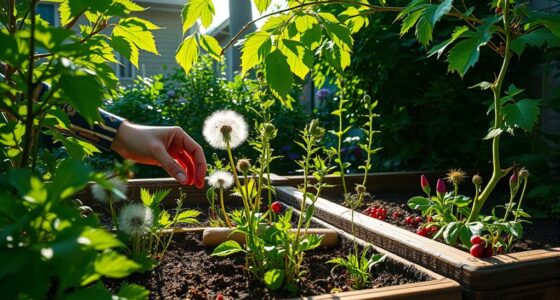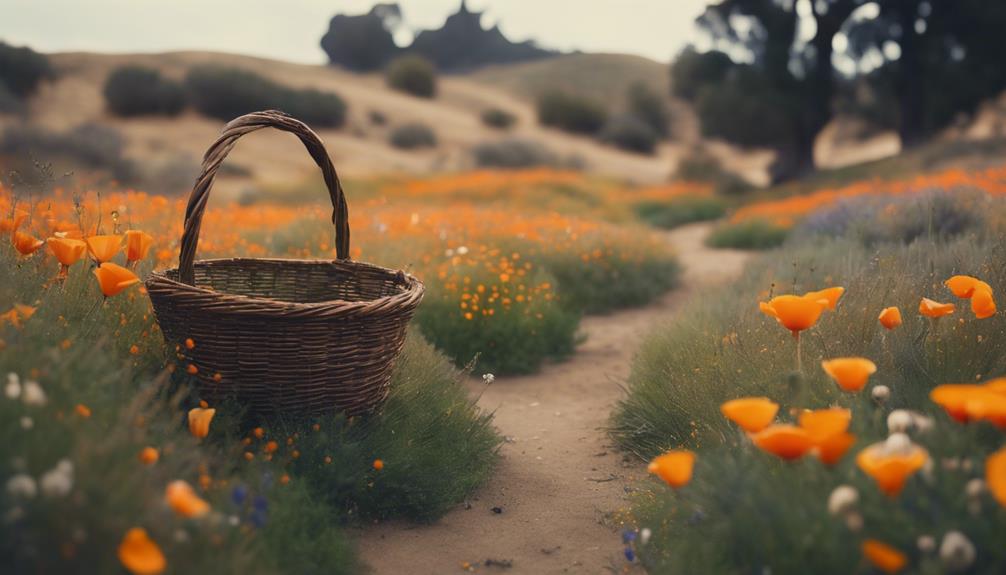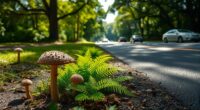
To forage responsibly in urban areas, start by accurately identifying edible plants and avoiding toxic look-alikes using reliable guides or apps. Only harvest from safe, uncontaminated sites and take just what you need, using scissors instead of pulling to protect the environment. Respect local laws and private property, and steer clear of busy roads or polluted zones. By following these practices, you guarantee sustainable foraging and environmental harmony—learn more ways to do it safely and ethically.

Get garden gear delivered free with Prime
- Fast, free delivery on millions of items
- Prime Video, Amazon Music and more included
- Member-only deals all year
Key Takeaways
- Use reliable identification guides and apps, and confirm plant species with multiple sources before harvesting.
- Harvest only what is needed, using tools like scissors, and avoid damaging plants or ecosystems.
- Avoid plants near busy roads or polluted sites, and be aware of environmental factors affecting safety.
- Check local regulations and obtain permission when required to ensure legal foraging practices.
- Practice sustainable harvesting by avoiding overharvesting and respecting protected or sensitive areas.

Urban foraging can be a rewarding way to connect with nature and find fresh ingredients, but it requires responsible practices to protect both the environment and your safety. One of the most important skills you need is accurate plant identification. Before you pick anything, take the time to learn how to distinguish edible plants from their toxic look-alikes. Use reliable guides, apps, or join local foraging groups to build your knowledge. Remember, even a small mistake in plant identification can lead to serious health issues, so never rely solely on instinct or hearsay. Confirm your findings with multiple sources, and when in doubt, don’t harvest. Proper plant identification guarantees you’re collecting safe, edible plants and helps prevent accidental poisoning or environmental damage.
In addition to correctly identifying plants, practicing ethical harvesting is key to sustainable urban foraging. You should only take what you need and never strip a plant completely. Leave enough for the plant to continue growing and for wildlife that depends on it. Avoid harvesting from protected or private areas without permission, and steer clear of plants near busy roads or contaminated sites, as these may carry pollutants. When gathering, use scissors or clippers to snip the plant rather than pulling, which minimizes damage and encourages regrowth. Respect the ecosystem by being mindful of the surrounding environment and other foragers. This not only preserves the natural balance but also ensures that urban foraging remains a viable activity for everyone. Incorporating AI-powered plant identification tools can further improve the accuracy and safety of your foraging efforts.
You should also be aware of local regulations and restrictions. Many urban areas have rules about foraging, especially in parks and public spaces. Checking with local authorities or land managers can help you avoid fines or legal issues. Additionally, avoid plants growing in areas that might be contaminated with chemicals, heavy metals, or other pollutants. Urban pollution can make some plants unsafe to eat, so always consider the environment where you’re harvesting. Whenever possible, choose plants from less trafficked areas or those growing in less polluted environments.
Frequently Asked Questions
Are There Specific Permits Required for Urban Foraging?
You should check local regulations to see if urban permits are required for foraging. Many cities have specific foraging regulations that limit what you can harvest and where. Some areas may need you to obtain permits or permissions, especially on public land. Always research and follow these rules to avoid fines or legal issues. By understanding urban permits, you ensure your foraging is responsible and compliant with local laws.
How Can I Identify Edible Versus Toxic Plants Safely?
You can identify edible versus toxic plants safely by practicing proper plant identification techniques. Use reliable field guides or plant identification apps, paying close attention to leaf shape, flowers, and growth patterns. Always cross-check multiple sources to avoid toxin avoidance errors. If you’re unsure, consult with local expert foragers or botanists before consuming any wild plants, ensuring you confidently distinguish safe options from toxic ones.
What Are the Best Tools for Urban Foraging?
Did you know urban foragers find over 200 edible plants in city environments? To identify plants accurately, you need reliable foraging gear like a good field guide, a pocket knife, and a magnifying glass. A smartphone with plant identification apps can also be invaluable. These tools help you distinguish edible from toxic plants quickly and safely, making your urban foraging more efficient and enjoyable.
How Do I Handle Contamination Risks in City Foraging Spots?
You should start by testing the soil for contamination sources before foraging. Use simple soil testing kits or send samples to a lab to check for heavy metals or pollutants. Avoid areas near busy roads, factories, or waste sites, as these are common contamination sources. Always observe signs of pollution, like strange odors or discolored soil, and choose locations away from potential hazards to minimize health risks.
Can Foraging in Urban Areas Impact Local Ecosystems?
You might unknowingly tip the delicate balance of urban ecosystems, which are teeming with diverse plant life and complex relationships. Foraging can impact local ecosystems if you overharvest or disturb native species, reducing urban plant diversity and disrupting ecosystem balance. To minimize harm, forage sustainably by only taking what you need, avoiding protected plants, and respecting the environment. Your mindful actions help preserve the vibrant urban greenery for everyone to enjoy.
Conclusion
As you venture through city streets, remember you’re a cautious explorer in a wild, hidden garden. Respect the plants, avoid polluters, and leave no trace of your passage. Think of yourself as a guardian, nurturing urban nature rather than plundering it. By foraging responsibly, you become a steward of this secret treasure trove, ensuring it continues to thrive for others to discover. Embrace your role as a mindful forager, and let the city’s wild side flourish under your watchful eye.
Fall yard work Picks
leaf blowers
As an affiliate, we earn on qualifying purchases.