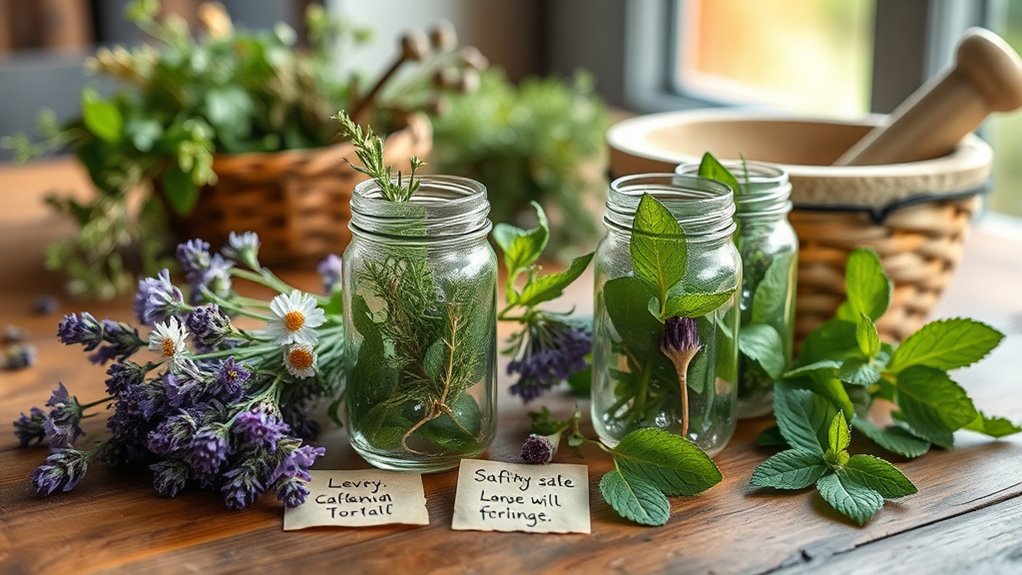

To make safe foraging teas and decoctions, first carefully identify plants using trusted guides or apps, double-checking features to avoid toxic look-alikes. Wash all plants thoroughly, handling them with clean utensils, and select harvesting sites away from polluted areas. Follow proven preparation methods like boiling or steeping as appropriate, starting with small amounts to monitor reactions. Staying informed about safe practices guarantees your foraged drinks are both healthy and enjoyable—continue exploring to learn more about safe preparation techniques.

Get garden gear delivered free with Prime
- Fast, free delivery on millions of items
- Prime Video, Amazon Music and more included
- Member-only deals all year
Key Takeaways
- Properly identify plants using field guides or trusted apps, double-check features, and avoid toxic look-alikes.
- Thoroughly wash foraged plants to remove dirt, insects, and pollutants before preparation.
- Follow proven recipes and preparation methods, such as boiling or steeping, to activate beneficial compounds and neutralize toxins.
- Start with small doses, monitor reactions, and keep detailed records to ensure safety and efficacy.
- Consult reliable sources or experts regularly, and stay informed about local toxic plants and safety practices.
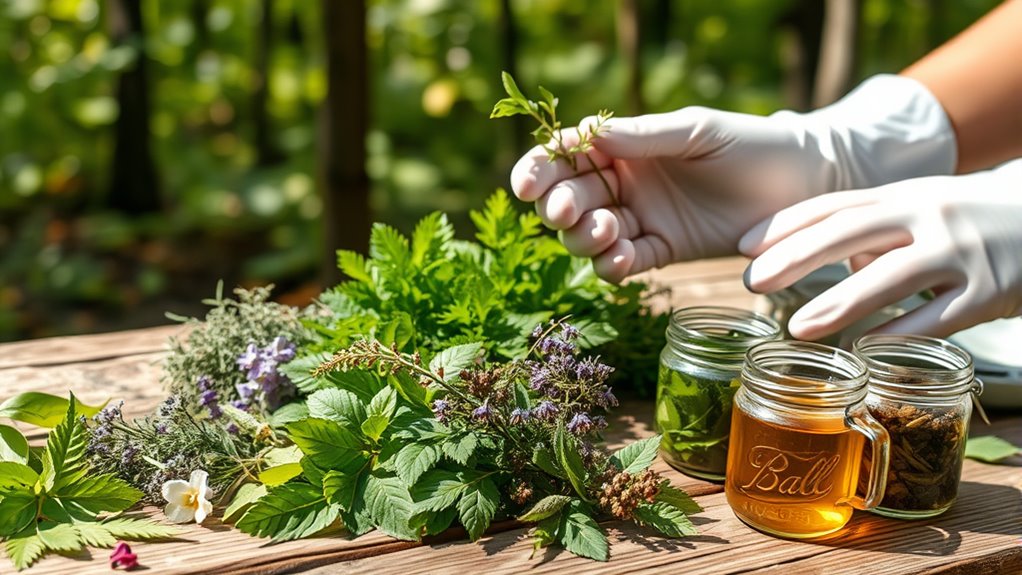
Foraging for wild plants to make teas and decoctions can be rewarding, but maintaining safety is vital. Before you even pick a plant, you need to develop solid identification techniques. Misidentifying a plant could lead to serious health risks, so take the time to learn distinguishing features. Pay close attention to leaf shape, color, texture, and growth patterns. Use field guides or trusted plant identification apps to verify your finds. Always double-check with multiple sources before harvesting. Remember, some edible plants have toxic look-alikes, so certainty is key. When in doubt, leave it out.
Once you’ve correctly identified a plant, focus on preparation safety. Proper handling and preparation are essential to avoid contamination and guarantee the plant’s medicinal or culinary qualities shine through. Always wash your foraged plants thoroughly to remove dirt, insects, and possible pollutants. Use clean, food-safe utensils and containers. Avoid gathering plants from polluted areas near roads, industrial sites, or farms where chemicals might be present. When preparing teas or decoctions, use boiling water when appropriate, as it helps eliminate bacteria and other pathogens. Some plants require specific preparation steps—such as boiling, steeping, or fermenting—to activate beneficial compounds or neutralize potential toxins. Follow trusted recipes or guidance from reputable herbal sources to guarantee you’re preparing each plant safely.
It’s also wise to start with small quantities when trying a new plant for the first time. Even if a plant is generally considered safe, individual reactions can vary. Pay attention to how your body responds after consuming your homemade tea or decoction, especially if it’s your first time using that particular plant. Keep a record of what you’ve gathered, including the plant’s appearance, location, and how you prepared it. This habit helps you track what works and what doesn’t, adding an extra layer of safety for future foraging. Additionally, understanding the importance of proper food safety practices can greatly reduce the risk of adverse effects.
Lastly, stay informed about any toxic or contraindicated plants in your area. Not all plants that are safe for some are safe for everyone, particularly if you’re pregnant, nursing, or on medication. Consult reliable sources regularly, and when in doubt, seek expert advice. By honing your identification techniques and prioritizing preparation safety, you considerably reduce the risks involved in wild plant foraging. This careful approach allows you to enjoy the benefits of your foraged teas and decoctions confidently and responsibly.
Frequently Asked Questions
How Can I Identify Safe Foraging Plants Accurately?
To identify safe foraging plants accurately, you should focus on proper plant identification by carefully studying leaves, stems, and flowers. Always look for toxic plant signs like unusual odors, sap, or discoloration. Use reliable field guides or apps, and consider joining local foraging groups for expert advice. Never consume a plant unless you’re 100% sure it’s safe, as misidentification can lead to serious health risks.
Are There Any Seasonal Considerations for Foraging Wild Herbs?
Sure, you’ll want to heed the seasons—wild herbs don’t grow on schedule, after all! During peak seasonal growth, plants are at their most potent and safe for foraging. As their lifespan wanes, so does their safety and flavor. Missing these cues could turn your herbal adventure into a botanical blunder. Always forage when the plant is thriving; timing really is everything in the wild herb game!
What Are Common Mistakes to Avoid When Preparing Herbal Teas?
When preparing herbal teas, avoid common mistakes like misidentifying plants, which can be risky. Always double-check plant identification to guarantee safety. Prevent contamination by thoroughly washing herbs and using clean utensils. Avoid overharvesting, which can harm plants and ecosystems. Steep herbs for the right amount of time, usually 5-10 minutes, and use fresh or properly dried herbs. These steps help you create safe, flavorful herbal teas.
How Do I Store Foraged Herbs to Maintain Their Potency?
Did you know that properly stored herbs can retain up to 80% of their potency for a year? To keep your foraged herbs fresh, dry them thoroughly using herb drying techniques and store them in airtight storage containers. Make sure containers are dark and cool to prevent degradation. This way, your herbs stay potent longer, ensuring your teas and decoctions remain flavorful and effective whenever you brew them.
Can Foraged Teas Interact With Medications or Cause Allergies?
Foraged teas can interact with medications, so you should check for potential medication interactions before consuming them regularly. Also, be aware of allergy risks, as some herbs may trigger allergic reactions, especially if you’re sensitive to certain plants. Always introduce new foraged teas gradually and consult a healthcare professional if you’re on medications or have allergies. This way, you reduce the chances of adverse effects while enjoying your herbal infusions safely.
Conclusion
So, while it’s tempting to toss any wild plant into your teapot, remember that nature’s surprises can be dangerous. Ironically, the very plants that promise healing can also cause harm if misidentified or improperly prepared. Always double-check your sources and err on the side of caution. After all, a harmless-looking leaf or root might be your last mistake—so enjoy your foraging adventures, but play it safe and stay informed.
Halloween Picks
halloween
As an affiliate, we earn on qualifying purchases.