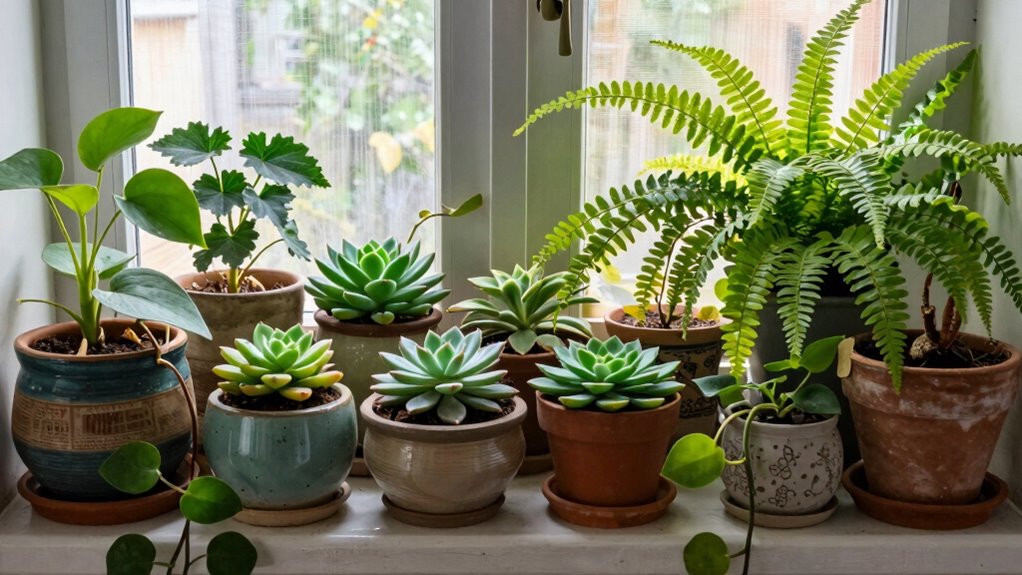

When you try to care for too many plants at once, it’s easy to feel overwhelmed and neglect their individual needs. Overcommitting makes it hard to give each plant proper attention, leading to problems like overwatering or missing essential care steps. Focusing on just a few easy plants helps you build confidence and learn proper routines. Stick with manageable choices until you’re comfortable — more tips await as you go forward.

Get garden gear delivered free with Prime
- Fast, free delivery on millions of items
- Prime Video, Amazon Music and more included
- Member-only deals all year
Key Takeaways
- Starting with too many plants can overwhelm beginners and hinder proper care.
- Focusing on a few easy plants builds confidence and better understanding of their needs.
- Overgeneralizing care routines risks neglecting specific requirements of each plant.
- Consistent watering routines are vital; overwatering or underwatering can harm plants.
- Gradually adding plants helps develop effective care habits and prevents burnout.
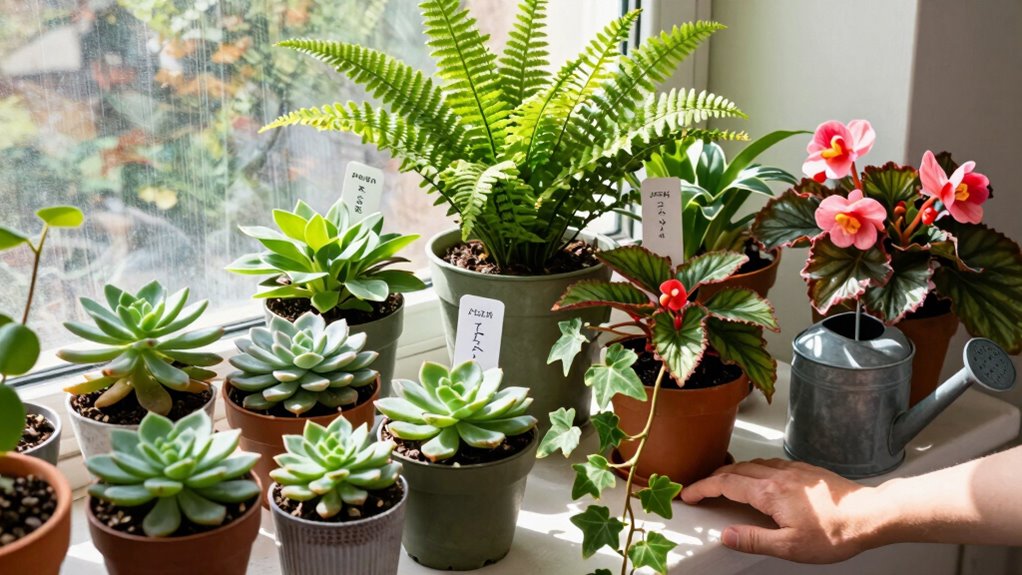
Starting your plant journey can be exciting, but many beginners fall into the trap of trying to learn about and care for too many plants at once. It’s tempting to fill your space with vibrant greenery, but taking on too much too quickly can overwhelm your ability to provide proper plant care. When you’re juggling multiple plants, it’s easy to overlook their specific needs, especially watering routines, which are vital for healthy growth. Instead of trying to master everything at once, focus on a small number of easy-to-care-for plants. This approach lets you develop a solid understanding of their needs without feeling overwhelmed.
Start with a few easy plants to master care and avoid overwhelm in your green journey.
When it comes to watering routines, consistency is key. Each plant has its own preferences—some need more frequent watering, while others prefer to dry out between drinks. If you’re caring for several different species, you might find yourself confusing their watering schedules or overwatering some while neglecting others. This can lead to root rot or other problems that set back your progress. To avoid this, keep it simple at first. Learn how often your chosen plants need water, and stick to a routine. Use your finger to check soil moisture or invest in a moisture meter to help you determine when watering is necessary. Over time, you’ll get a feel for what each plant requires, but rushing into multiple plants without understanding their watering needs can cause more harm than good. Developing a consistent watering routine helps ensure each plant receives the care it needs without confusion. Additionally, understanding the specific care requirements for each plant will help you tailor your routine effectively. Gaining knowledge about plant biology can also deepen your understanding of their needs and improve your overall care. Recognizing light and environmental needs is another crucial aspect that can prevent common mistakes and promote healthy growth.
Another common mistake beginners make is assuming all plants need the same amount of light, water, and attention. This misconception often leads to neglect or overcare, both of which can be detrimental. Instead, research the specific care instructions for each plant you own. Start with one or two species that are known for being forgiving—like pothos or snake plants—and master their care routines first. Once you’re confident, gradually add new plants to your collection, applying what you’ve learned.
Ultimately, focusing on a handful of plants allows you to observe their growth and adapt your care routines accordingly. This patience will pay off with healthier plants and a deeper understanding of plant care. Remember, caring for plants is a learning process. Trying to do too much at once can hinder your progress and discourage you. By simplifying your approach and honing your watering routines, you set yourself up for success in your green journey. Keep it manageable, stay attentive, and enjoy watching your plants thrive.
As an affiliate, we earn on qualifying purchases.
Frequently Asked Questions
How Do I Choose the Right Plants for Beginners?
To choose the right plants for beginners, focus on easy-care options like pothos, snake plants, or succulents. Use plant care tips that emphasize low light, minimal watering, and durability. Start with a few beginner plant selections to build confidence and avoid overwhelm. As you learn, you can gradually add more. This approach guarantees you develop your skills without feeling overwhelmed or discouraged.
What Are Common Mistakes When Starting With Multiple Plants?
When starting with multiple plants, you often make mistakes like overcrowding, which affects plant placement and airflow. This can lead to increased pest problems and disease spread. You might also overlook individual care needs, making pest prevention harder. To succeed, give each plant enough space, monitor their health closely, and adjust placement as needed. Proper spacing and vigilance help you prevent pests and maintain healthy, thriving plants.
How Often Should I Water Different Types of Beginner Plants?
You should water your beginner plants based on their specific needs, aiming to keep soil moisture consistent. Generally, check the soil moisture weekly by touching the top inch; water when it feels dry. For succulents, water sparingly; for tropical plants, keep the soil evenly moist. Always observe your plants’ responses, adjusting watering frequency to prevent overwatering or underwatering, ensuring healthy growth and vibrant leaves.
What Are Signs of Overwatering or Underwatering?
You’ll notice overwatering if the soil stays soggy, develops mold, or your plant’s leaves turn yellow and feel soft. Underwatering shows as dry, crumbly soil, wilting leaves, or brown edges. To avoid this, check soil drainage and stick to a consistent watering schedule. Adjust your watering based on your plant’s needs, and always feel the soil before watering again to prevent both over- and underwatering.
How Can I Keep My Plants Healthy With Limited Space?
To keep your plants healthy with limited space, focus on succulent care and indoor gardening basics. Choose compact, low-maintenance plants that thrive indoors, like succulents or small ferns. Use vertical space with wall planters or shelves, and guarantee proper lighting. Water sparingly, and avoid overcrowding to prevent pests and diseases. Regularly check plant health, and rotate plants for even growth, making the most of your available space.
As an affiliate, we earn on qualifying purchases.
Conclusion
Remember, trying to master too many plants at once is like juggling too many balls—you risk dropping them all. Focus on just a few, nurture them, and watch your confidence grow. Slowly, your garden will flourish, and you’ll gain the skills to handle more. Don’t rush the process; patience is your best tool. Stick to this, and you’ll avoid overwhelm, turning your green thumb into a flourishing garden, one plant at a time.
As an affiliate, we earn on qualifying purchases.
As an affiliate, we earn on qualifying purchases.
Halloween Picks
halloween
As an affiliate, we earn on qualifying purchases.