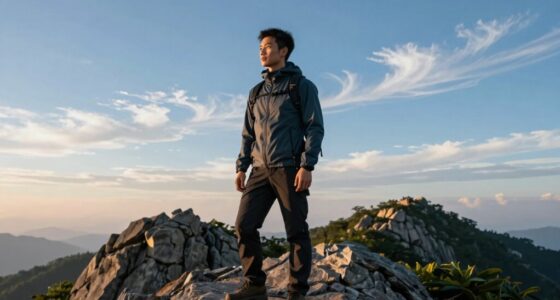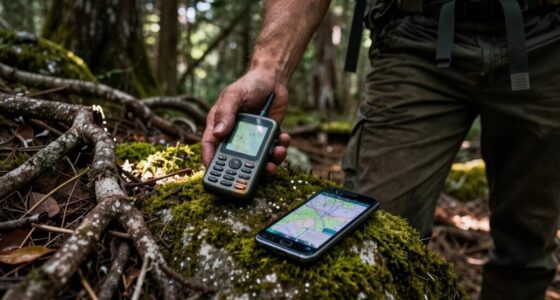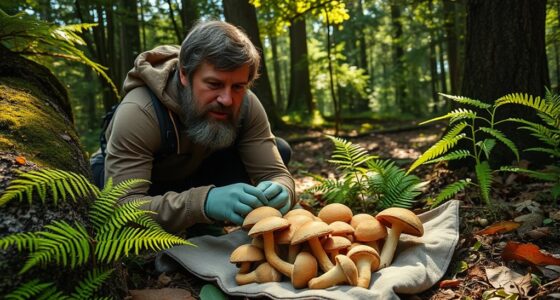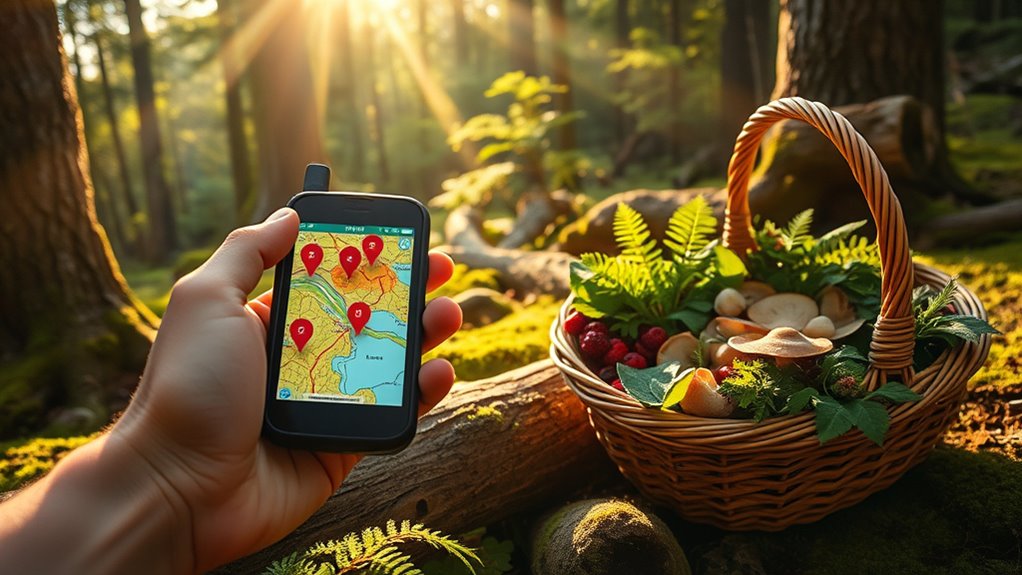

Using a GPS to mark your wild food hotspots helps you find and revisit valuable spots like berry patches or herb clusters with ease. By recording precise locations, you save time and effort, ensuring a sustainable harvest without overharvesting or damaging the environment. Adding notes on soil, water sources, and plant health enhances your knowledge for future foraging. Keep exploring, and you’ll discover how to create a personal map that keeps your wild food hauls consistent and enjoyable.

Get garden gear delivered free with Prime
- Fast, free delivery on millions of items
- Prime Video, Amazon Music and more included
- Member-only deals all year
Key Takeaways
- Use handheld GPS devices to mark and record the exact locations of productive wild food patches for easy future access.
- Add detailed waypoints with notes on plant type, abundance, and environmental conditions to enhance foraging efficiency.
- Create custom maps highlighting hotspots, water sources, and terrain features to facilitate repeated successful foraging trips.
- Integrate environmental observations with GPS data to identify sustainable harvesting sites and minimize ecological impact.
- Regularly revisit and update your mapped hotspots to maintain a reliable personal wild food network.
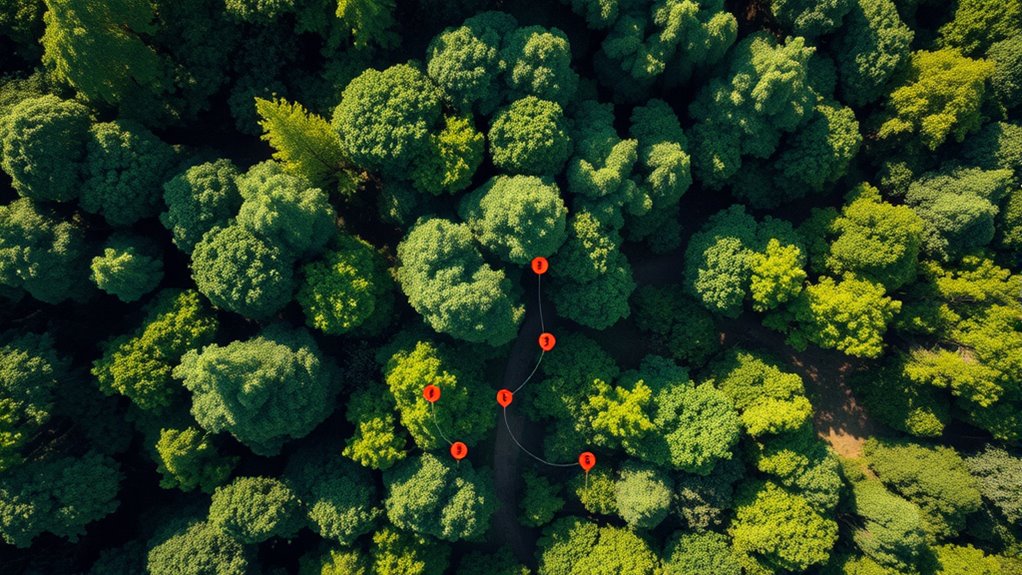
Discovering where wild foods thrive has become essential as communities seek sustainable sources of nutrition and preserve biodiversity. You can turn this goal into a rewarding adventure by mastering effective foraging techniques and choosing the right GPS device. When you’re out in the field, knowing how to identify edible plants and track their locations accurately makes all the difference. Foraging techniques involve more than just picking what looks good; it’s about understanding plant seasons, growth patterns, and signs of health. Learning to recognize these details boosts your success rate and helps you avoid toxic look-alikes. As you develop your skills, you’ll notice that marking promising spots enhances your foraging efficiency. That’s where GPS device selection becomes a game-changer. With a reliable GPS, you can record exact locations of productive wild food patches, ensuring you can revisit them easily and consistently.
Choosing the right GPS device depends on your needs and environment. Look for models with high accuracy, especially those with real-time tracking features. Handheld GPS units designed for outdoor use often provide better precision than smartphones, especially when signal strength is weak or in dense foliage. Some devices even allow you to add waypoints, which are key for marking specific plants or clusters. This way, you won’t forget where you found those abundant berry patches or wild herbs. By integrating your foraging techniques with strategic GPS use, you can create a personal map of wild food hotspots. Over time, these maps become invaluable tools, saving you time and energy on future trips.
Additionally, understanding contrast ratio and how it affects image quality can help when setting up visual guides or maps for your foraging expeditions, making identification easier. As you explore, keep in mind that foraging isn’t just about finding food; it’s about respecting the environment. Use your GPS to minimize disturbance—mark areas that need preservation or regeneration. When you locate a productive spot, take notes on the conditions that make it fruitful, such as soil type, nearby water sources, or shade. This practice helps refine your foraging techniques, making your harvests more reliable. Repeated visits to these mapped hotspots will build your confidence and deepen your connection to the land. Remember, the goal is sustainability—harvesting responsibly while ensuring these wild foods remain available for future foragers. Combining precise GPS mapping with keen foraging techniques allows you to develop a sustainable, personal wild food network that supports your nutrition and honors nature.
Frequently Asked Questions
How Accurate Are GPS Coordinates for Identifying Wild Food Spots?
GPS coordinates can be quite accurate for locating wild food spots, but their precision depends on the device and signal conditions. Generally, GPS precision ranges from a few meters to less than a meter in ideal conditions. You should remember that coordinate accuracy can vary due to factors like tall trees or weather. To improve your success, use a high-quality GPS device and double-check your coordinates before heading out.
Can I Use Smartphone Apps for Mapping Edible Wild Foods?
Imagine you’re an explorer charting hidden treasures in a vast jungle. Your smartphone apps act like a trusty compass, helping you map edible wild foods. You can use these apps for plant identification and sharing mapped locations with fellow foragers. While not always perfect, they’re a handy tool for marking your favorite spots, ensuring you return to your personal food hotspots with confidence and ease, like a true wild food adventurer.
How Do Weather Changes Affect Wild Food Availability at Hotspots?
Weather changes, driven by seasonal shifts and climate variability, greatly impact wild food availability at your hotspots. Warmer or wetter seasons can boost certain plants and fungi, while droughts or unexpected frosts may reduce yields. You need to stay alert to these patterns, as they influence when and where you find your food sources. Tracking weather trends helps you anticipate changes, ensuring you can harvest wild foods at their peak.
Are There Legal Restrictions on Foraging in Mapped Areas?
Imagine lush forests and quiet meadows, yet legal restrictions shadow your foraging plans. You need to verify if foraging permits are required or if the area is private property. Some lands demand permits, while others prohibit foraging altogether. Always research local regulations before heading out, respecting property boundaries. Ignoring these rules risks fines or losing access, so stay informed and guarantee your wild food pursuits stay lawful and sustainable.
How Often Should I Revisit My Mapped Wild Food Locations?
You should revisit your wild food hotspots regularly, especially during peak seasons, to support seasonal foraging and guarantee sustainable harvesting. Keep track of changes in plant abundance and health by updating your mapped locations. Hotspot maintenance is key; check for overharvesting or environmental shifts. By doing so, you’ll enjoy reliable harvests and help preserve these essential foraging areas for future seasons.
Conclusion
Think of your wild food journey as planting a secret garden. Each GPS point is a seed, and with each visit, you’re tending to a hidden treasure chest. Over time, your map becomes a treasure map, revealing the richest spots to harvest. Keep exploring, documenting, and returning. Soon, your personal wild food hotspots will grow into a lush, abundant forest—an ongoing adventure where every trip uncovers new delights, turning you into a true foraging explorer.
Fall yard work Picks
leaf blowers
As an affiliate, we earn on qualifying purchases.