
TL;DR
Gardening Know How’s October orchid-care report outlines six seasonal checks for moth orchids and other common houseplant orchids. It recommends adjusting light, watering, feeding and humidity as growth slows, inspecting for pests, and watching for flower spikes; bloom timing varies by plant and conditions.
Gardening Know How’s October orchid-care report recommends six seasonal checks for moth orchids and other common houseplant orchids, as shorter days and indoor heating change growing conditions. The guide advises owners to reassess light, watering, fertilizer and humidity, inspect for pests, and look for new flower spikes—but it does not promise that every plant will bloom.
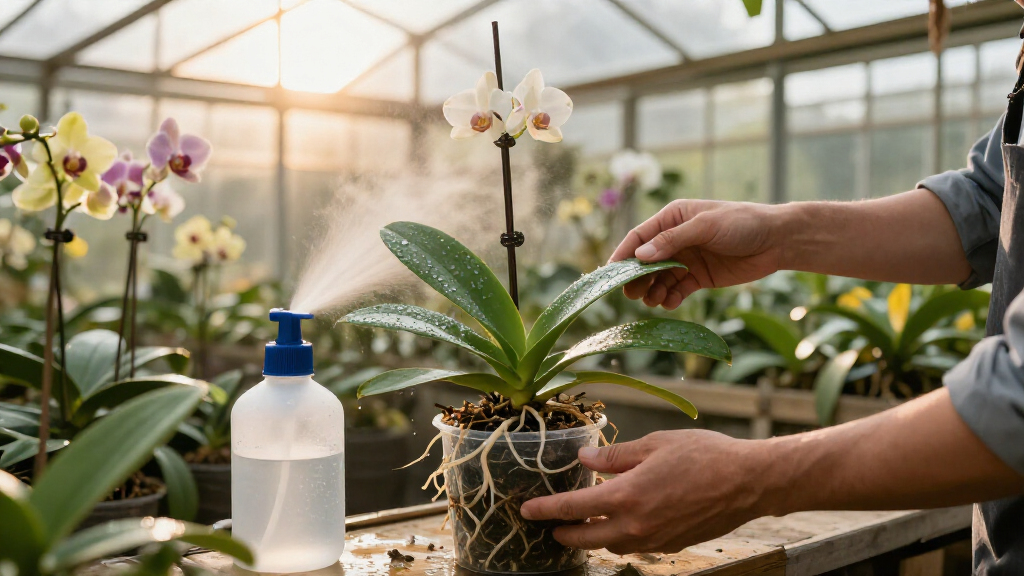
The report says slower fall growth means orchid potting mix can take longer to dry, making overwatering a greater concern; see these October orchid-care tips for more seasonal guidance. It recommends waiting until the mix is nearly dry before watering thoroughly, then letting the pot drain rather than leaving it in standing water. For moth orchids, silvery-white roots are described as a sign of dryness, while green roots are typical just after watering.
For light, the guide suggests moving orchids to a bright location as daylight declines, while keeping leaves away from cold window glass. It says dark-green leaves can indicate insufficient light; reddish edges may signal excess light. The report also advises reducing or pausing fertilizer according to whether the plant is actively growing, and increasing humidity as household heating dries indoor air.
The remaining checks are to inspect leaves and stems for pests and watch for flower spikes. The report describes mealybugs, scale and spider mites as pests to look for, and recommends isolating an affected plant. It says a new Phalaenopsis spike can resemble a root at first: a spike typically has a flattened, mitten-shaped tip, while a root tip is round.
Six Adjustments for Fall Conditions
The advice matters because orchid care that worked in summer may not suit a plant as days shorten and indoor heat comes on. Water that lingers in the pot can raise the risk of root problems, while dimmer light and dry indoor air can alter the conditions the plant experiences. Small changes to routine may help owners respond to those seasonal shifts instead of following a fixed summer schedule.
The report also ties fall care to the possibility of later flowering. It says cooler fall conditions can trigger a spike in many moth orchids, but the timing and outcome depend on the plant and its environment. Checking for a spike is not a guarantee of blooms; it is one part of monitoring the plant as growth changes.
orchid watering can with long spout
As an affiliate, we earn on qualifying purchases.
As an affiliate, we earn on qualifying purchases.
Why October Changes Orchid Care
The Gardening Know How report focuses on seasonal conditions rather than a new scientific study or official horticultural rule. Its starting point is that shorter days, lower sun and furnace use can change light, drying time and indoor humidity. It applies the six checks to moth orchids (Phalaenopsis) and other common orchids sold as houseplants, though individual needs can vary.
For Phalaenopsis, the article says four or five weeks of days around 77°F (25°C) and nights near 68°F (20°C), or somewhat cooler, can reliably bring on a spike. It also says days above 82°F (28°C) can hold spike development back. Those figures are guidance from the report, not a guarantee for every orchid or growing setup.
“Wait until the mix is nearly dry, then water thoroughly and let it drain.”
— Gardening Know How
orchid grow light for indoor plants
As an affiliate, we earn on qualifying purchases.
As an affiliate, we earn on qualifying purchases.
Bloom Timing Depends on Conditions
The report does not provide independent testing or evidence that following all six checks will make an orchid bloom. Flowering is not assured, and the article’s temperature guidance does not establish when a particular plant will produce a spike. It also does not specify one watering schedule or humidity target that suits every orchid species, home or potting mix.
The source mentions common signs of pests and suggests isolating affected plants, but it does not set out a full treatment plan for every infestation. Its advice on using rubbing alcohol for mealybugs is specific to that pest and says to keep the alcohol off leaves. Orchid owners should identify the problem before treating a plant and follow product directions where any treatment is used.
As an affiliate, we earn on qualifying purchases.
Monitor Plants Through Fall
Over the coming weeks, owners can check how quickly each pot dries, watch leaf color and root condition, and inspect the undersides of leaves and stem joints for pests. Adjust care to the plant’s signals rather than watering or feeding automatically on a summer timetable. If a spike appears, the report recommends watching its growth; the supplied source text ends before giving its staking instructions.
The practical next step is to keep monitoring as indoor heating and winter light change conditions. The report offers no follow-up findings or forecast for a specific orchid, so whether and when an individual plant blooms remains uncertain.
As an affiliate, we earn on qualifying purchases.
Key Questions
What are the six October checks for orchids?
The report advises moving orchids to suitable brighter light, adjusting watering, reducing or stopping fertilizer according to growth, raising humidity as heating dries the air, inspecting for pests, and watching for flower spikes.
How often should I water an orchid in fall?
The report gives no fixed number of days. It recommends waiting until the potting mix is nearly dry, then watering thoroughly and allowing the pot to drain. Dry silvery-white roots and recently watered green roots can help guide moth orchid owners.
How can I tell a flower spike from a new root?
According to the report, a Phalaenopsis spike usually has a flattened, mitten-shaped tip and emerges between lower leaves. A root tip is round. Early growth can be difficult to distinguish, so check its shape as it develops.
Does October care guarantee more orchid blooms?
No. The guide presents seasonal care steps and temperature conditions that may support spike development in many moth orchids, but it does not guarantee flowering. Results depend on the plant and its growing conditions.
Source: rss