TL;DR

Get garden gear delivered free with Prime
- Fast, free delivery on millions of items
- Prime Video, Amazon Music and more included
- Member-only deals all year
A Homes & Gardens report advises against bringing certain hardy bulbs and perennials indoors or sealing them under plastic for winter. Tulips, daffodils, peonies, hostas and fall-planted garlic are among the plants covered; their needs vary by climate, drainage and whether they grow in the ground or a pot.
A Homes & Gardens report advises gardeners not to bring several hardy bulbs and perennials indoors or cover them heavily for winter, because cold and seasonal dormancy are part of their growing cycle. The report names tulips, daffodils, peonies, hostas and fall-planted garlic among seven plants that generally should remain outdoors, while stressing that care depends on climate, drainage and growing conditions.
The report says some plants need a sustained cool period to flower or develop properly, while others naturally die back and rest through winter. Keeping them warm can prompt out-of-season growth or disrupt dormancy; wet, poorly drained soil and dense coverings can also contribute to rot. The advice is not to leave every plant entirely unprotected, but to avoid treating cold itself as a threat when it is part of the plant’s seasonal cycle.
Tulips and daffodils are bulbs that generally benefit from winter chill. The report recommends planting tulips in well-drained soil at the depth specified for the variety and following suppliers’ chilling guidance in warm regions. Established daffodil bulbs can usually stay in the ground in reliably cool climates; their leaves should be allowed to yellow naturally after flowering so the bulbs can replenish. In mild climates, gardeners may need varieties suited to less chilling or bulbs pre-chilled according to the grower’s instructions.
Herbaceous peonies and hostas naturally retreat after the growing season and return in spring. The report says peony foliage can be cut back after frost has finished it, with diseased material cleared, while a dense, wet mulch over the crown should be avoided. Hostas can die back outdoors, but plants in exposed pots may need protection because containers freeze faster than garden soil. The report also covers garlic, which is planted in fall and remains outdoors; loose straw can buffer freeze-thaw changes in colder regions, but drainage and an overly thick covering remain concerns.
Cold Is Part of Their Growing Cycle
The guidance matters because a well-intentioned winter routine can create problems for plants that need a dormant period. Bringing bulbs into a warm room may prompt early, weak growth, according to the report, while trapped moisture can contribute to rot. A plastic wrap or thick, airless layer is not a substitute for understanding what a particular plant needs.
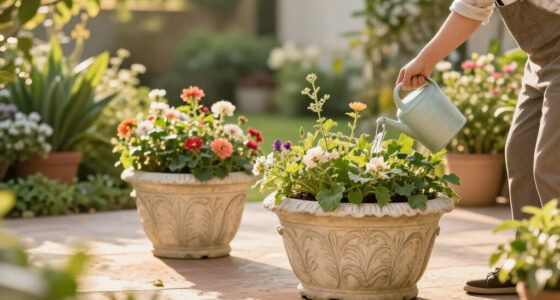
The practical distinction is between protecting a vulnerable root ball and overriding the plant’s seasonal rhythm. A hardy plant in garden soil may be well placed to experience winter outdoors, while the same plant in a pot could need a sheltered location in severe cold. Gardeners can avoid unnecessary work and reduce the risk of damage by considering the plant, local winter conditions and drainage before covering or moving it.
well-drained tulip bulbs for planting
As an affiliate, we earn on qualifying purchases.
As an affiliate, we earn on qualifying purchases.
Advice Depends on Plant and Climate
The source presents its recommendations as fall gardening guidance, not a universal rule for every garden. It gives USDA hardiness zones as a reference: tulips are commonly planted in October in Zones 3–7, while gardeners in Zones 8–10 are advised to choose varieties suited to mild winters and follow supplier guidance. It describes peonies as benefiting from cold in Zones 3–8 and hostas as hardy across many varieties in Zones 3–9.
Those ranges do not remove the need to account for local conditions. The report says container plants are more exposed to freezing than plants in the ground, and that drainage can matter more than adding a blanket of fleece or mulch. It also distinguishes herbaceous peonies, which die back above ground, from tree peonies, which have different pruning needs. The supplied source text describes five of the seven plants named in its headline; it does not provide details for the other two.
As an affiliate, we earn on qualifying purchases.
Two Plants Are Not Identified
The provided source material names five plants but does not include the remaining two from the headline’s list. It also does not give a publication date, identify individual expert sources, or provide a study comparing winter treatment outcomes. The recommendations should be read as editorial gardening guidance attributed to Homes & Gardens, rather than as a finding that every variety responds the same way.
Specific winter risks depend on local temperatures, soil and pot conditions, plant variety, and whether a plant is newly established. The report offers some zone-based guidance but does not set out a single temperature threshold for moving or protecting every plant. Gardeners in warm regions may need varieties with lower chilling needs, while exposed containers in colder regions may need protection that preserves dormancy.
As an affiliate, we earn on qualifying purchases.
Check Conditions Before Covering Plants
Before frost arrives, gardeners can identify plants and varieties, check their hardiness guidance, and confirm that beds and containers drain freely. For bulbs, follow the supplier’s planting and chilling instructions; for dormant perennials, avoid moving them into a heated space simply to shelter them from ordinary cold.
Where containers face repeated hard freezes, the report suggests moving them to a sheltered spot or an unheated garage so plants remain dormant. Use loose, light protection only where local conditions call for it, and watch for waterlogged soil. The immediate next step is not a blanket winterizing routine, but a plant-by-plant check of climate, exposure and drainage.
As an affiliate, we earn on qualifying purchases.
Key Questions
Which plants does the supplied report discuss?
The source material describes tulips, daffodils, peonies, hostas and garlic. Although its headline promises seven plants, the supplied text does not identify the other two.
Should tulip and daffodil bulbs stay outdoors?
In climates with suitable winter conditions, the report says these bulbs generally benefit from cold and can remain outside in well-drained soil. In mild regions, choose suitable varieties and follow the bulb supplier’s chilling advice.
Do hostas in pots need winter protection?
They may. The report says containers freeze faster than garden soil, so an exposed pot in a cold area may need a sheltered location, such as against a wall or in an unheated garage. The aim is to protect the root ball without keeping the plant warm and actively growing.
How should gardeners handle peony foliage in fall?
For herbaceous peonies, the report recommends waiting until frost has finished the foliage, then cutting back the stems and clearing diseased material. It cautions against piling dense, wet mulch over the crown; tree peonies have different pruning needs.
Does fall-planted garlic need to come indoors?
No. The report says fall-planted garlic is meant to remain outdoors through winter. In colder regions, a light layer of loose straw can buffer freeze-thaw changes, but heavy, airless covering and poor drainage can cause problems.
Source: rss
Evergreen bestsellers Picks
bestsellers
As an affiliate, we earn on qualifying purchases.