
TL;DR

Get garden gear delivered free with Prime
- Fast, free delivery on millions of items
- Prime Video, Amazon Music and more included
- Member-only deals all year
Lawn care experts explain the differences between scarifiers and dethatchers. This helps homeowners select the appropriate tool for maintaining a healthy lawn. The article clarifies uses, benefits, and when to choose each device.
Experts in lawn care have clarified the differences between scarifiers and dethatchers, two common tools used to maintain healthy lawns. If your lawn has suffered damage from pets, you might find our article on Has Your Lawn Gone To The Dogs? helpful. This guidance helps homeowners understand which device to use for specific lawn issues, improving lawn health and avoiding damage. Proper lawn maintenance can prevent issues that lead to damage, including pet-related problems.
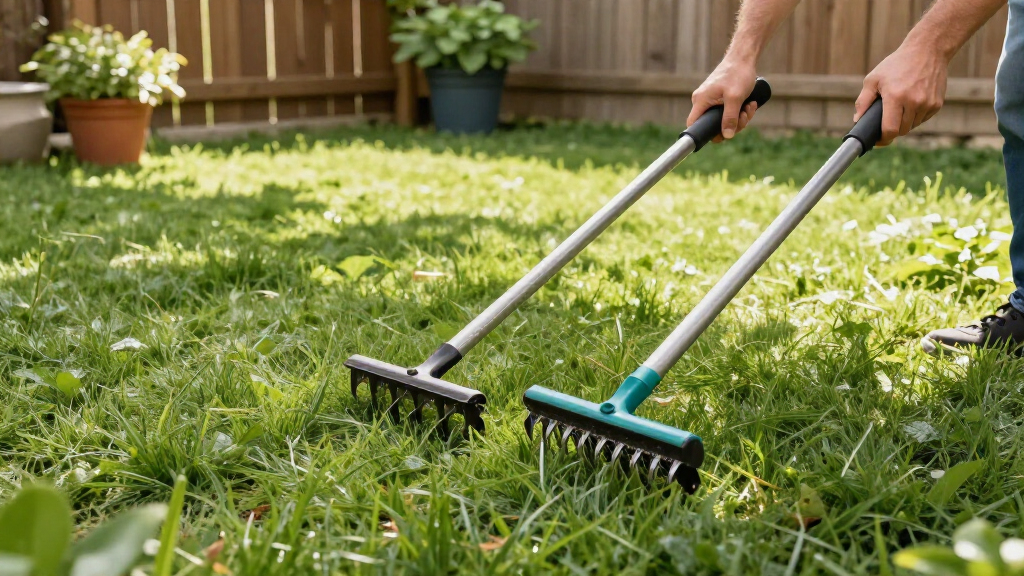
According to lawn care specialists, scarifiers and dethatchers serve distinct purposes in lawn maintenance. A scarifier, also known as a lawn raker, is designed to cut through thatch and remove it from the soil surface, promoting better air, water, and nutrient penetration. It typically uses blades or tines to scarify the soil and thatch layer. In contrast, a dethatcher is primarily used to remove surface thatch buildup, often employing vertical blades or a rotating drum to lift thatch without penetrating the soil deeply.
Both tools are used to improve lawn health but are suited to different conditions. Lawn care experts emphasize that choosing the right tool depends on the severity of thatch buildup and the desired level of soil penetration. For more tips on lawn recovery, see our guide on lawn repair and rejuvenation. Using a scarifier when only surface thatch exists may cause unnecessary soil disturbance, while a dethatcher may be insufficient for thick thatch layers.
Why Proper Tool Selection Impacts Lawn Health
Understanding the differences between scarifiers and dethatchers is crucial for homeowners aiming to maintain a healthy lawn. Using the wrong tool can lead to over- or under-treatment, causing damage or ineffective results. Proper selection ensures that lawn care efforts are efficient, targeted, and promote long-term grass health. Experts note that incorrect use may result in soil compaction, root damage, or persistent thatch problems, ultimately increasing maintenance costs.
As an affiliate, we earn on qualifying purchases.
Historical Use and Common Lawn Care Practices
Traditionally, lawn maintenance involved manual raking and periodic aeration. The advent of mechanical scarifiers and dethatchers has modernized this process, allowing for more precise and less labor-intensive care. Recent trends indicate increased homeowner use of these tools, often without full understanding of their differences. Experts have increasingly emphasized the importance of selecting the appropriate device based on lawn conditions, especially as lawn care products become more accessible to amateurs.
As an affiliate, we earn on qualifying purchases.
Unclear Guidelines for When to Use Each Tool
While experts agree on the general differences, specific guidelines for when to use a scarifier versus a dethatcher are still evolving. Factors such as lawn type, thatch thickness, and soil condition influence the decision, but clear, universally accepted thresholds are lacking. Further research and standardized recommendations are needed to guide homeowners more precisely.
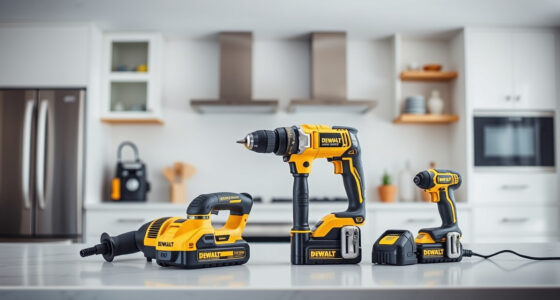
cordless scarifier and dethatcher combo
As an affiliate, we earn on qualifying purchases.
As an affiliate, we earn on qualifying purchases.
Future Recommendations for Homeowners and Lawn Care Professionals
Moving forward, lawn care associations and manufacturers are expected to develop clearer guidelines and educational resources on tool selection. Industry experts anticipate increased availability of combined or adjustable devices that can serve both purposes, simplifying decision-making for homeowners. Meanwhile, lawn care professionals will likely continue emphasizing tailored approaches based on individual lawn assessments.
As an affiliate, we earn on qualifying purchases.
Key Questions
Can I use a scarifier for regular lawn maintenance?
Scarifiers are generally used for more intensive thatch removal and are not suitable for routine maintenance. Overuse can damage the soil and grass roots. Use them only when there is significant thatch buildup, as advised by lawn care experts.
What are the signs that I need a dethatcher?
If your lawn shows signs of a thick thatch layer (more than ½ inch deep), such as poor water absorption, moss growth, or uneven grass, a dethatcher can help remove surface thatch effectively.
Are these tools safe for all types of grass?
Most lawn care tools are safe for common grass types when used correctly. However, very delicate or newly planted lawns require gentle handling, and consulting a lawn care professional is recommended to avoid damage.
Should I aerate my lawn along with dethatching or scarifying?
Aeration can complement dethatching or scarifying by relieving soil compaction. It is often recommended to perform aeration after dethatching or scarifying for optimal lawn health.
Source: rss
Halloween Picks
halloween
As an affiliate, we earn on qualifying purchases.