TL;DR

Get garden gear delivered free with Prime
- Fast, free delivery on millions of items
- Prime Video, Amazon Music and more included
- Member-only deals all year
Planet Natural’s end-of-season guidance says gardeners should keep used potting mix separate while checking what grew in each pot and whether the material still drains and remains aerated. Mix from healthy plants may be considered for ordinary outdoor ornamental containers, while material linked to disease, persistent pests, contamination or unexplained decline should be isolated for problem-specific advice.
Planet Natural’s end-of-season guidance advises gardeners to sort used potting mix by the health of the plants it supported and the mix’s remaining condition before storing empty pots. The recommendation matters because combining batches too soon can erase useful information about pests, disease or poor growth and make it harder to decide what is appropriate to reuse.
The advice concerns ordinary outdoor ornamental containers, not every use of growing media. The report says seed-starting, valuable indoor plants and recurring pest problems call for a more cautious approach, often involving fresh mix. It recommends keeping batches separate while emptying pots and noting what grew in each one, any visible pest or disease issues, unexplained decline and possible contamination.
According to University of Illinois Extension, soilless media can sometimes be reused when the plants were healthy and there were no major disease problems. The guidance is conditional: remove plant remains, inspect the mix and replace lost volume with suitable fresh material. A batch’s history is a starting point, not automatic approval to reuse it.
Gardeners are also advised to assess structure, aeration and drainage. Media that have broken down into a dense mass, drain poorly or consist largely of old roots may no longer work well in containers, even if the plants appeared healthy. For a batch kept for possible reuse, Planet Natural recommends labeling its history and intended use, then reassessing it before the next planting.
Why Sorting Mix Can Prevent Problems
Keeping batches apart preserves information that can guide next season’s planting decisions. If material from a pot with persistent pests, suspected disease or unexplained decline is mixed with material from healthy plants, a gardener loses the ability to assess each batch separately. The report recommends isolating questionable material rather than spreading it among other pots or garden areas while its status is uncertain.
Reuse also depends on how well the medium can perform its basic job around roots. Compacted or degraded mix may not provide the drainage and aeration needed in a container. Replacing it, or adding suitable fresh mix where reuse is appropriate, can help avoid carrying a poor structure into another planting. These are practical selection guidelines, not a test that certifies a batch as disease-free or safe.
The decision affects more than waste or cost. Labeling retained material means gardeners can remember its origin and make a fresh assessment when they plant again. If there is a specific concern, the report points readers toward local extension offices, waste services or product suppliers for advice based on the problem.
Popular right now
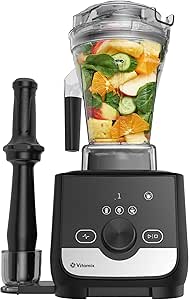
Vitamix Ascent X3 Professional-Grade Blender, 48 oz, Shadow Black

Dyson Cool AM07 Bladeless Tower Fan, Iron/Blue

Dyson R3 Nurovi Spot+Scrub UV Robot Vacuum
As an affiliate, we earn on qualifying purchases.
How Plant History Guides Reuse
The source frames this as an end-of-season sorting routine for used media from outdoor ornamental pots. It distinguishes between a pot that supported healthy plants and one where plants repeatedly declined for an unknown reason. If the cause is unclear, the guidance is to keep the batch separate rather than blend it into material with a better-known history.
University of Illinois Extension’s advice, as quoted in the Planet Natural report, is that soilless media may sometimes be reused after healthy plantings without major disease problems. The same source notes that repeated use can reduce drainage and aeration as organic ingredients decompose, making replacement necessary. The article does not prescribe a universal amendment recipe; it says to restore missing volume with a suitable fresh product when reuse is appropriate and evaluate the mixture as a whole.
Suspect material needs a separate route. Planet Natural cites Oregon State guidance that ordinary composting may not eliminate weed seeds or disease organisms. The report cautions that a home compost pile is not a guaranteed sanitation method and says that suspected contamination or a diagnosed problem needs specific guidance. It does not recommend oven baking or bleach treatments as substitutes for identifying the issue.
What Inspection Cannot Establish
A visual or hands-on inspection can reveal poor structure or obvious roots, but the report says appearance cannot certify a batch’s health or safety. It also does not provide a single test or recipe that determines whether every used mix is suitable for reuse. The answer can depend on what happened to the plants, the type of concern and the intended next use.
The source does not give a universal disposal method for material linked to a particular disease, pest or possible chemical contamination. It advises gardeners to seek problem-specific guidance from a local extension office, waste service or product supplier. It also does not identify a publication date, so the timing of the report itself is not established by the supplied material.
Label Batches Before Storage
Before storing pots, gardeners can remove plant remnants, keep each batch separate and label any mix retained for possible reuse with its plant history and intended use. Suspect material should remain isolated while the gardener seeks advice appropriate to the issue. Empty pots should be cleaned and stored separately from plant debris, and blocked drainage holes should be cleared before the next planting.
When planting season returns, reassess the stored mix rather than relying only on the earlier label. Check whether it still has useful structure, and replace lost volume with suitable fresh mix if reuse is appropriate. The final decision remains tied to the batch’s history, condition and the needs of the next container planting.
Key Questions
Can used potting mix be reused?
Sometimes. University of Illinois Extension says soilless media may be reused when plants were healthy and there were no major disease problems. The mix should still have useful drainage and aeration, and lost volume can be replaced with suitable fresh material.
Which used mix should be kept separate?
Keep material separate if plants had disease, persistent pests, unexplained decline or possible contamination. Seek advice for the specific concern before deciding whether to reuse or dispose of it.
How can I tell if the mix has broken down?
Look for a dense, collapsed texture, poor drainage or a mass made mostly of old roots. These observations can help identify degraded structure, but they do not certify that the mix is safe or free of disease.
Does composting make suspect potting mix safe?
Not necessarily. The report cites Oregon State guidance that weed seeds and disease organisms may survive ordinary composting. A home compost pile should not be treated as a guaranteed sanitation method.
Source: planetnatural.com