TL;DR
An Ideal Home gardening report outlines seven ways to reuse Halloween pumpkins, including saving or roasting seeds, composting, burying pieces in a garden bed, and making a temporary bird feeder. It warns against leaving pumpkins in woodland for wildlife and says carved or outdoor pumpkins should not be eaten.
Ideal Home has outlined seven ways to reuse Halloween pumpkins after the holiday, including saving seeds, composting the flesh and using an empty shell as a temporary bird feeder. The advice also cautions against leaving pumpkins in woodland for wildlife and says pumpkins that have been carved, held a candle or spent time outdoors should not be eaten.

Get garden gear delivered free with Prime
- Fast, free delivery on millions of items
- Prime Video, Amazon Music and more included
- Member-only deals all year
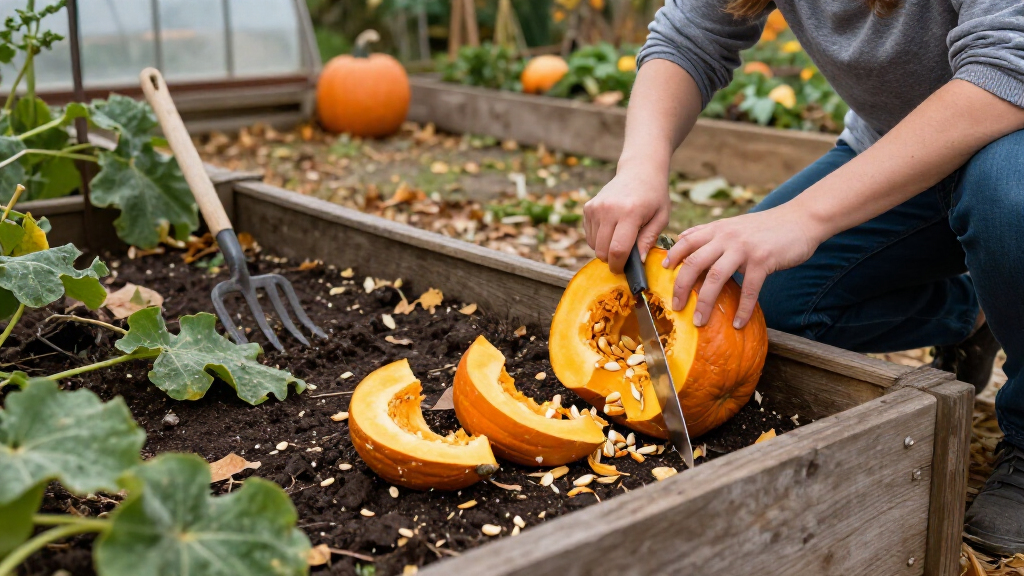
The report’s suggestions cover several ways to use different parts of a pumpkin. Seeds can be washed, dried and stored for spring planting, or roasted with oil and seasoning as a snack. The article’s writer says two seedlings grown from saved seeds produced four pumpkins, describing that as her own experience rather than a guaranteed yield.
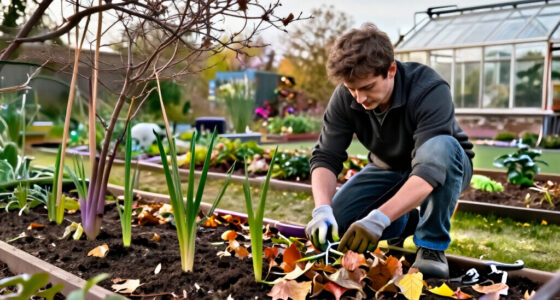
For pumpkins no longer suitable for food, the report recommends composting cut-up pieces or burying them in a garden bed being prepared for future planting. Compost needs a balance of moist, nitrogen-rich pumpkin and dry, carbon-rich material, such as fallen leaves; too much pumpkin at once can make a heap wet or compacted. Buried pumpkin should be kept away from plant stems and allowed time to break down.
The remaining ideas are to decorate pumpkins without carving so they may stay usable for cooking, make a temporary feeder from a hollowed shell, and use cooked pumpkin in dishes such as soup or pie. The source gives practical examples for seeds, compost and burial, but its supplied text ends partway through the bird-feeder instructions, so it does not provide a complete set of construction or maintenance details.
Reducing Pumpkin Waste Safely
The guide matters to households deciding what to do with pumpkins after Halloween: the shell and seeds can have uses beyond the holiday, but the right choice depends on the pumpkin’s condition and how it was decorated or stored. Reusing a sound pumpkin for food, saving seeds or composting unsuitable remains can divert organic material from household rubbish.
Its wildlife warning is a key practical distinction. The article says pumpkins should not be dumped in woods for animals to eat because they can rot, may be contaminated by candle wax or other decorations, and are not a natural woodland food. That means reuse should be planned around safe food handling or managed garden disposal, rather than treating a wild area as a compost site.
Popular right now

Dyson Airwrap i.d. 6-in-1 Multi-Styler and Dryer

Bose QuietComfort Ultra Headphones (2nd Gen), Wireless Noise Cancelling Over-Ear Headphones, Driftwood Sand

KitchenAid Classic Series 4.5-Quart Tilt-Head Stand Mixer, Onyx Black
As an affiliate, we earn on qualifying purchases.
From Halloween Display to Garden Use
Carved pumpkins are a familiar seasonal decoration, but carving exposes their insides and can shorten how long they remain in good condition. The report distinguishes those pumpkins from intact ones kept indoors: according to Rachel Cole, senior seed and plant buyer at DT Brown, an intact pumpkin may still be suitable for cooking if it is a food-safe variety and shows no deterioration.
The article also points to simpler options before carving. Painting, marker designs or stick-on foliage can decorate a pumpkin without cutting into it. That may leave the interior in better condition, although storage and the pumpkin’s variety still matter when deciding whether it is safe to eat.
“It’s easy to think of a pumpkin as something only useful for Halloween, but it’s actually a valuable organic material that people can put to good use.”
— Rachel Cole, senior seed and plant buyer at DT Brown, as quoted by Ideal Home
Food Safety Depends on Condition
The report does not give a storage duration or a detailed test for determining whether an intact pumpkin remains safe to eat. It advises checking the variety and condition, and avoiding pumpkins that have been outdoors or held a candle, but readers may need local food-safety guidance for specific cases.
Results from saving seeds, composting and burying pumpkin will vary with the seed, garden conditions and compost setup. The writer’s report of four pumpkins from two seedlings is a personal result, not a typical-yield estimate. The source text supplied for this article also cuts off during the bird-feeder instructions, leaving details about finishing and maintaining that feeder unspecified.
Choose a Reuse Before Disposal
After Halloween, check each pumpkin before deciding what to do with it. Keep an intact, properly stored pumpkin only for cooking if it is a food-safe variety and shows no deterioration; do not eat one that has been outdoors or used with a candle. Separate and wash seeds for drying, or prepare suitable seeds for roasting.
For inedible remains, cut the pumpkin into smaller pieces and add them to a compost heap with dry material, or bury them in a bed where they can break down before planting. Keep pumpkin away from woodland and wildlife. The Ideal Home report does not give a date for a follow-up or additional guidance.
Key Questions
Can I eat a Halloween pumpkin after it has been displayed?
The report says an intact pumpkin kept indoors and stored properly may be suitable for cooking if it is a food-safe variety and shows no deterioration. It advises against eating pumpkins that have been left outdoors or used with a candle.
Can Halloween pumpkins be left in the woods for animals?
No. The report warns that pumpkins can rot, may carry candle wax or other decorations, and are not natural woodland food. It says leaving them for wildlife could make animals unwell or spread disease.
How should I add pumpkin to a compost heap?
Cut it into smaller pieces and mix it with dry, carbon-rich material such as fallen leaves. The report says adding too much moist pumpkin at once can leave compost wet, compacted or unpleasant-smelling.
Can pumpkin seeds be saved for planting?
The article recommends separating seeds from the flesh, washing them and drying them thoroughly on kitchen paper before storing them in an envelope for spring planting. The writer reports growing four pumpkins from two seedlings, but that is a personal result rather than a promised yield.
Source: idealhome.co.uk