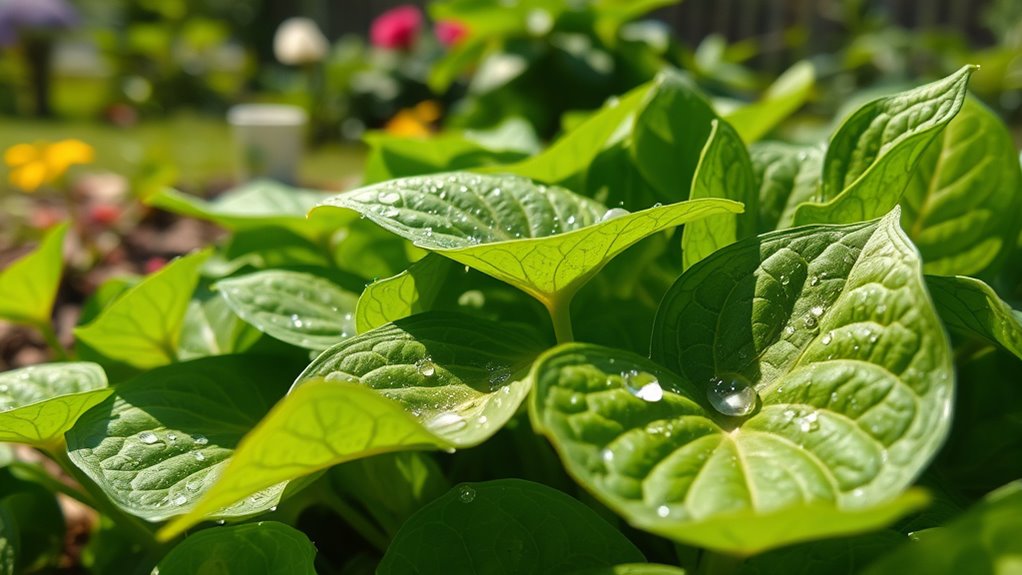

Plantain leaves are a practical, natural first-aid remedy you can easily turn to in the field. You simply wash fresh leaves, crush or chew them to release their healing compounds, and place them directly on cuts, insect bites, or skin irritations. Their anti-inflammatory and antimicrobial properties help soothe, reduce swelling, and promote healing without needing special equipment. To discover more effective ways to harness this common weed for emergencies, keep exploring how plantain power can serve you whenever needed.
Key Takeaways
- Recognize and harvest broad, fresh plantain leaves for immediate use in outdoor first-aid.
- Crush or chew leaves to release anti-inflammatory and antimicrobial compounds effective for minor injuries.
- Apply crushed leaves directly onto cuts, stings, or skin irritations as a natural antiseptic poultice.
- Cover with a bandage if needed to keep leaves in place and enhance healing.
- Cultivate plantains at home for a reliable, sustainable source of natural first-aid remedies.
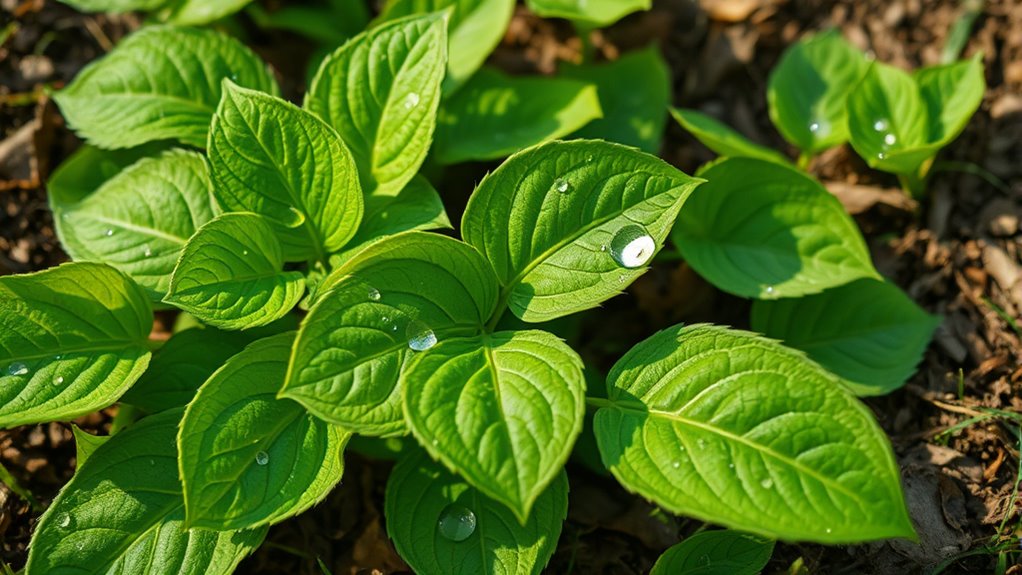
Plantains are more than just a tasty staple in many cuisines; they’re a versatile source of energy and nutrition that can power your body naturally. But beyond the kitchen, the leaves of the plantain plant hold remarkable potential as natural remedies you can use outdoors or in emergencies. When you’re exploring herbal remedies, you’ll find that plantain leaves have long been valued for their healing properties, especially in outdoor settings where access to conventional medicine might be limited.
If you stumble upon a minor scrape, insect bite, or skin irritation while spending time outside, don’t rush to reach for store-bought ointments. Instead, consider using fresh plantain leaves, which are easily recognizable by their broad, oval shape and slightly rough texture. You can simply crush or chew the leaves to release their natural compounds, then apply the poultice directly to the affected area. This simple outdoor remedy works because plantain leaves contain anti-inflammatory and antimicrobial compounds that draw out toxins, reduce swelling, and promote faster healing. Their natural antiseptic qualities make them a go-to herbal remedy for minor cuts and wounds, especially when you’re away from modern medical supplies.
Using plantain leaves as a first-aid measure is straightforward and effective. In addition to treating cuts and bites, the leaves can help soothe skin irritations caused by poison ivy, insect stings, or minor burns. When you have access to fresh leaves, just pick a few, wash them if possible, and crush them into a paste or place a whole leaf directly on the skin. Cover it with a bandage if needed, and leave it in place for some minutes. The cooling, soothing effect can alleviate discomfort while the plantain’s natural compounds kickstart the healing process. Recognizing edible wild plants can enhance your ability to use natural remedies safely and effectively in outdoor situations.
Apply crushed or whole fresh plantain leaves to soothe skin irritations and promote healing naturally.
In outdoor environments, plantain serves as an excellent herbal remedy because it’s readily available and easy to use. You don’t need specialized knowledge or equipment—just a handful of leaves and a little bit of ingenuity. Moreover, the plant can be cultivated in your backyard, so you always have a reliable source for herbal remedies. Its versatility makes it a valuable addition to your outdoor first-aid kit, especially when traditional resources aren’t accessible. By learning to recognize and utilize plantain leaves, you turn common lawn weeds into powerful natural remedies, giving you a practical, eco-friendly way to handle minor injuries on the spot.
Frequently Asked Questions
Can Plantain Leaves Treat Insect Bites Effectively?
You might find plantain leaves helpful for insect bite relief. When you use plantain leaf preparation, the natural compounds can reduce itching and swelling. Simply crush a fresh leaf to release its juices and apply it directly to the bite. This natural remedy has been used for centuries and often provides quick relief. Keep some plantain leaves handy when you’re outdoors, so you can treat insect bites effectively and naturally.
How Do I Identify Plantain in the Wild?
Did you know that many people mistake plantain for other wildflowers? To identify it, look for broad, oval leaves with prominent veins, growing close to the ground in rosettes. It’s an easy edible plant to recognize once you learn its shape and texture. When doing wildflower identification, focus on leaf shape and growth pattern. Plantain thrives in disturbed areas, making it a common find for foragers and nature enthusiasts alike.
Are There Any Risks Using Plantain on Broken Skin?
Using plantain on broken skin generally isn’t risky, but you should watch for allergy concerns or skin irritation. If you notice redness, itching, or swelling, stop using it immediately. Always wash the area first to prevent infection. While plantain is usually safe, people with plant allergies or sensitive skin should test a small patch first. When in doubt, consult a healthcare professional before applying it to open wounds.
What Are the Best Harvesting Tips for Medicinal Plantain?
Think of plantain harvesting like gathering a treasure from your backyard. To get the best medicinal plant tips, pick leaves when they’re young and vibrant, ideally in the morning after dew has dried. Use scissors or pruning shears to snip leaves close to the ground, avoiding damaged or old ones. Harvest regularly, but never take more than a third of the plant, ensuring it stays healthy for future use.
Can Plantain Be Used for Internal Health Remedies?
You can use plantain for internal health remedies, especially as an internal detox and digestive aid. When prepared properly, plantain leaves or tinctures can help soothe inflammation, promote digestion, and support your body’s natural detox processes. Always verify correct identification and consult a healthcare professional before using plantain internally, as proper dosage and preparation are key to safely enjoying its health benefits.
Conclusion
Now that you know how to turn ordinary lawn leaves into plantain power, you’re ready to be your own field medic. Just like a trusty Swiss Army knife, this simple remedy can be your go-to for minor wounds and skin irritations. So, grab those leaves, channel your inner healer, and transform your yard into a natural apothecary. Who knew that in this modern age, a touch of nature’s old-world wisdom could be your secret weapon?