Focusing on plant communities is often more reliable than memorizing individual plant names because the environment provides essential clues. By observing the surrounding flora and the habitat, you can better identify safe foraging areas and avoid hazards. Recognizing patterns within plant groups helps you differentiate edible plants from lookalikes, especially in diverse ecosystems. Keep exploring, and you’ll discover how understanding these relationships can boost your confidence and safety in foraging practices.

Get garden gear delivered free with Prime
- Fast, free delivery on millions of items
- Prime Video, Amazon Music and more included
- Member-only deals all year
Key Takeaways
- Recognizing plant communities provides environmental context that aids in accurate identification and reduces reliance on memorized plant names.
- Observing habitat and surrounding flora helps determine safe foraging areas, even if specific plant names are uncertain.
- Plant community patterns indicate ecosystem health, guiding foragers to sustainable and safe harvesting zones.
- Environmental cues from plant groups can reveal contamination risks or hazardous conditions more reliably than individual plant IDs.
- A holistic view of plant relationships enhances safety by focusing on habitat and community indicators rather than solely on plant names.
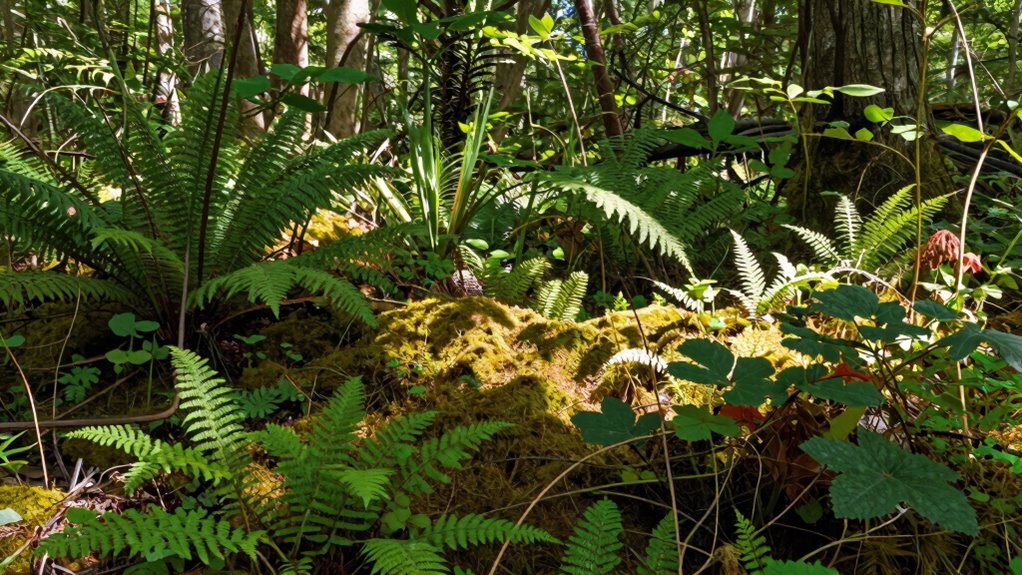
When foraging in the wild, spotting the most useful clues can make all the difference between a successful harvest and a wasted effort. While many beginners focus on memorizing specific edible plant identification details, it’s often more effective to pay attention to the plant community around you. The plants growing together can tell you a lot about what’s safe to harvest and what to avoid. Recognizing patterns within a plant community helps you better understand the environment, making your foraging safer and more successful.
Instead of solely relying on individual plant features, observe the surrounding flora. For example, if you find a cluster of wild garlic, chances are nearby you might also discover edible wild onions or chives. These plants tend to grow in similar conditions and often share habitat preferences. By understanding these plant communities, you can quickly narrow down your options, reducing the risk of confusing edible plants with toxic lookalikes. This approach enhances your edible plant identification skills, especially when you’re in unfamiliar territory.
Observing plant communities helps identify safe edibles and avoid toxic lookalikes by recognizing habitat patterns and relationships.
Pay attention to the overall plant health and the diversity within the community. A thriving, diverse plant community often indicates a healthy ecosystem, which usually means the plants around are safe and edible. Conversely, areas with monocultures or plants that seem out of place might signal environmental issues or the presence of toxic species. Incorporating foraging safety tips, such as avoiding plants in contaminated areas or near busy roads, is crucial—sometimes, the plant community can also provide clues about pollution levels or soil health. Additionally, understanding the plant community can help you identify environmental indicators, guiding you away from potential hazards. Recognizing the specific plant associations common to an area can further refine your foraging choices. Awareness of these associations can also help you distinguish between native and invasive species, which is important for sustainable foraging.
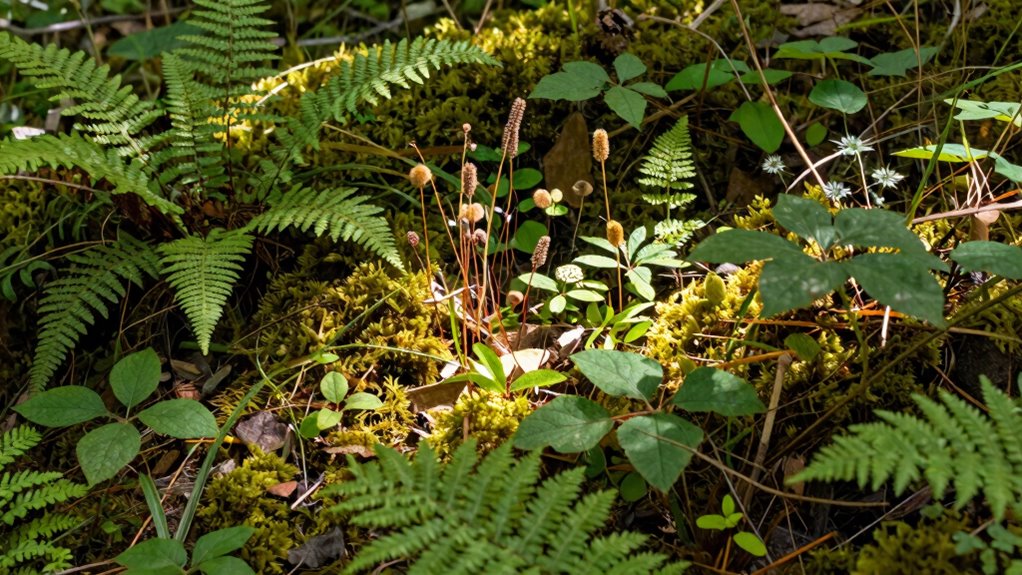
The landscape itself can be a helpful guide. Plants that grow in specific environments—like shaded woodlands, marshy areas, or rocky slopes—are often part of recognizable plant communities. Learning to read these environments can help you identify edible plants more reliably without needing to memorize every detail about individual species. A good understanding of plant habitat can also help you differentiate between safe and potentially hazardous plants based on where they grow. Remember, when foraging, safety is paramount. Always double-check your plant identifications, and if you’re unsure, consult reliable field guides or experienced foragers. Never consume a plant unless you’re 100% confident it’s safe.
In essence, observing the plant community around you turns into a powerful tool. It provides context, reduces guesswork, and supports safer, more effective foraging. This holistic approach helps you go beyond just plant names and focus on the relationships between species and their environment, leading to smarter, safer harvesting. By paying close attention to the plant community, you’re less likely to make mistakes and more likely to enjoy a fruitful, safe foraging experience.
foraging guidebook for plant communities
As an affiliate, we earn on qualifying purchases.
As an affiliate, we earn on qualifying purchases.
Frequently Asked Questions
How Do Plant Communities Vary Across Different Ecosystems?
You’ll notice plant communities vary widely across ecosystems due to ecological succession and differences in plant diversity. In early succession, you find pioneer species, while mature ecosystems boast complex, diverse plant species. These variations influence the availability of food and shelter, guiding your foraging. Recognizing how plant communities shift helps you identify key plants within specific environments, making your foraging more effective by understanding the broader ecological context rather than just individual plant names.
Can Plant Community Knowledge Replace Traditional Foraging Guides?
Plant community knowledge can be a valuable map, but it shouldn’t substitute traditional foraging guides. Think of it as a compass guiding you through wildlife relationships and soil health clues, yet detailed plant identification still keeps you safe. You’ll find that understanding ecosystems helps you recognize edible plants and avoid dangers, but combining both approaches ensures a more reliable and enriching foraging experience.
What Are Common Indicators of Edible Plants Within a Community?
You can spot edible plants by noticing community foraging signals, like shared knowledge of edible plant markers and safe harvesting spots. Look for plants that the community regularly harvests, and observe their common indicators, such as specific leaf shapes or growth patterns. Trust local signs and signals, as these community foraging cues often highlight safe, nutritious plants. Your awareness of these signals helps you forage responsibly and successfully.
How Does Seasonal Change Affect Plant Community Composition?
Like clockwork, seasonal change shifts plant communities, affecting what’s available for foraging. You see seasonal succession as plants bloom, mature, and die back, creating habitat shifts that influence edible plant presence. In spring, early growth offers fresh options, while summer brings abundance. Come fall, many plants withdraw, leaving behind hardy species. Staying aware of these patterns helps you anticipate changes and adapt your foraging strategies accordingly.
Are There Risks in Relying Solely on Plant Community Cues?
Relying solely on plant community cues poses risks because ecological dependencies can be complex and change with seasons or disturbances. If you focus only on community diversity, you might miss individual plant signs indicating edibility or toxicity. This approach can lead to mistakes or overlook essential details. To forage safely, combine community cues with specific plant identification, understanding that ecological relationships are dynamic and require careful observation.
wild edible plant identification app
As an affiliate, we earn on qualifying purchases.
As an affiliate, we earn on qualifying purchases.
Conclusion
Remember, the key to successful foraging isn’t just identifying a plant by name, but understanding the broader plant community it belongs to. When you recognize the types of plants growing together, you can better predict which are safe to harvest. notably, studies show that plant communities with diverse species have a 30% higher chance of containing edible options. So, focus on the larger picture—your foraging success depends on reading the whole landscape, not just individual plants.
As an affiliate, we earn on qualifying purchases.
As an affiliate, we earn on qualifying purchases.
Fall Picks
fall essentials
As an affiliate, we earn on qualifying purchases.