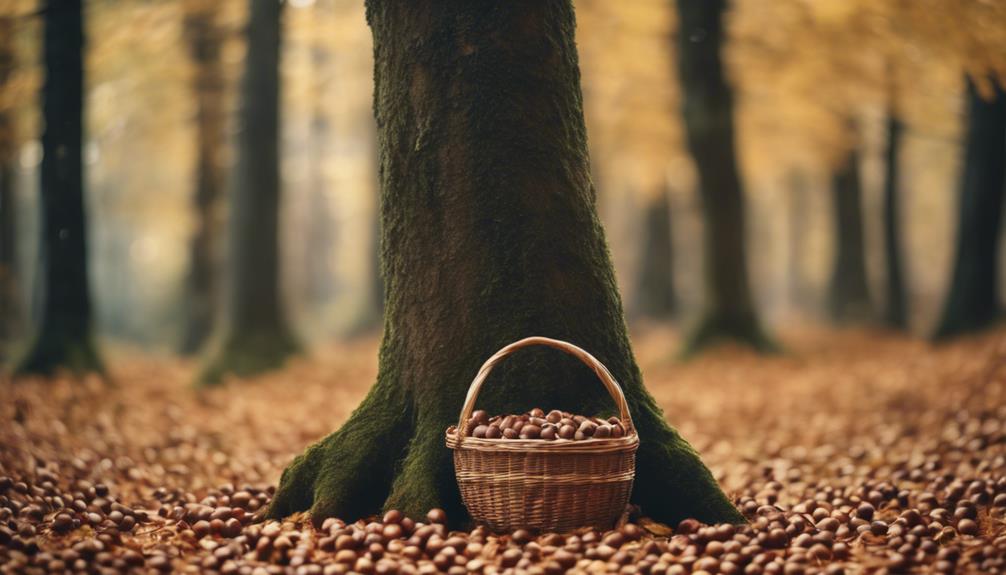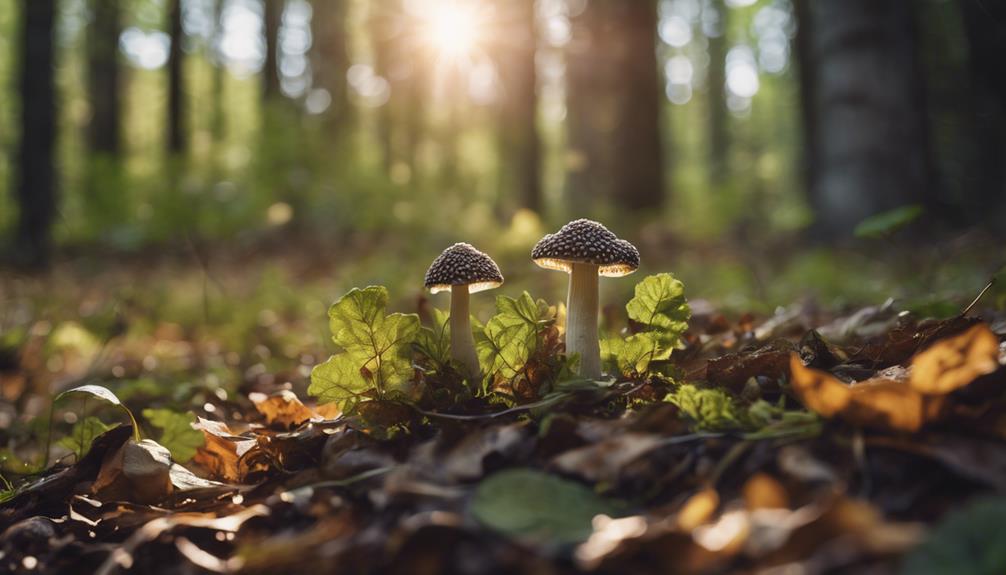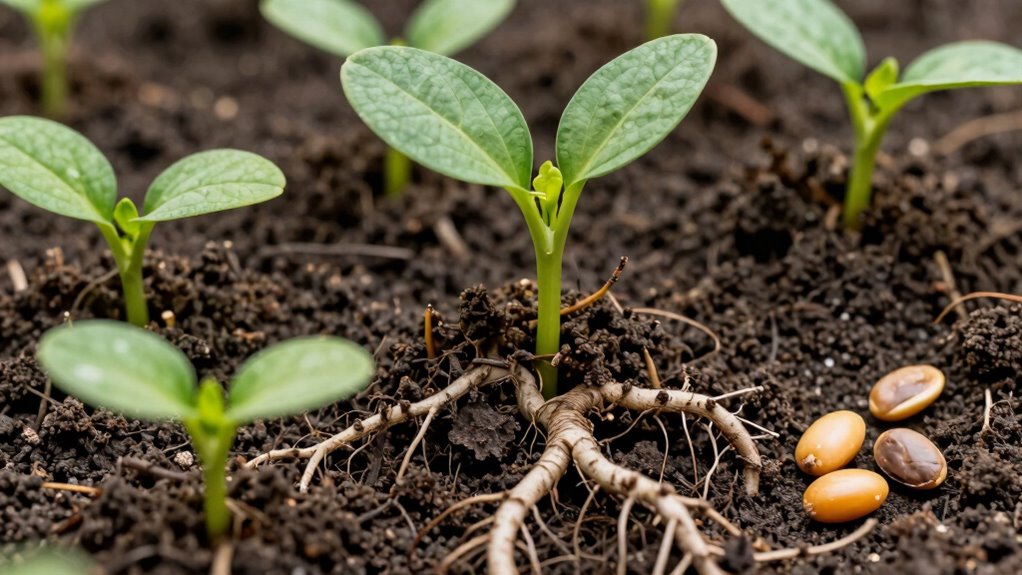

When deciding which plant parts to harvest, focus on roots like carrots or ginger when they’re mature and full of flavor. Pick healthy shoots and leaves for ongoing growth and photosynthesis, making sure not to overharvest. Save seeds when they’re fully ripened for future planting and seed saving. Each part has ideal timing and importance for a productive garden—keep exploring to uncover how to maximize your harvests and keep your plants thriving.

Get garden gear delivered free — and shop member deals
- Fast, free delivery on millions of items
- Access to Prime Big Deal Days deals on October 6–7
- Prime Video, Amazon Music and more included
Key Takeaways
- Harvest roots like carrots and beets when fully matured for optimal flavor and nutrient content.
- Prune or harvest shoots and stems to encourage bushier growth and healthy plant development.
- Collect healthy, mature leaves for sustainable harvesting while ensuring enough foliage remains for growth.
- Harvest seeds at full maturity, indicated by color change or dryness, for successful propagation.
- Prioritize healthy soil and plant parts to maximize yield quality and ensure sustainable harvesting practices.
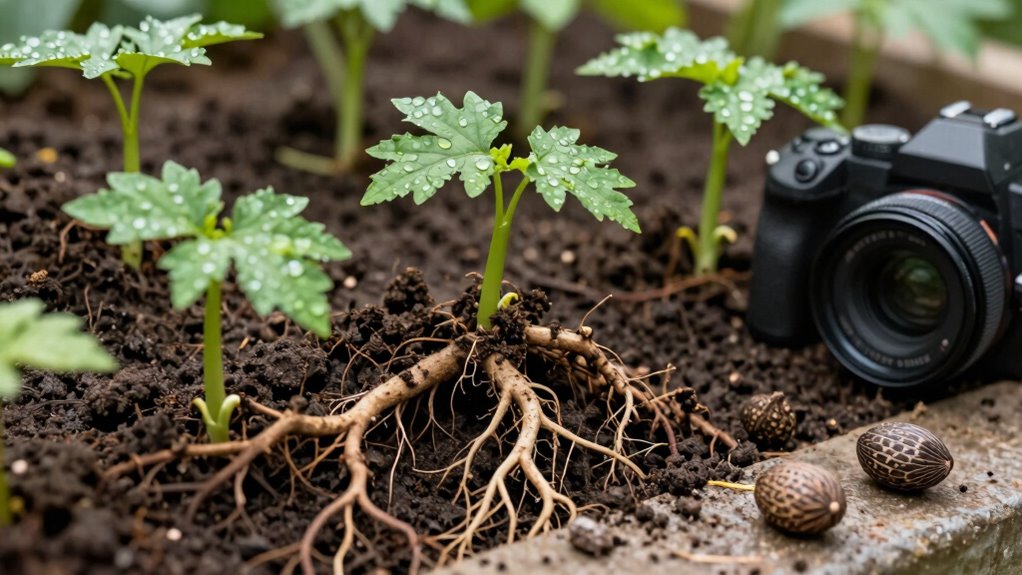
Have you ever wondered how plants grow and thrive? The secret lies in understanding the different parts of a plant and knowing which ones are worth harvesting. Roots, shoots, leaves, and seeds each play an essential role in a plant’s life cycle, but not all parts are equally valuable for your purposes. To maximize your harvest, you need to pay attention to soil health and plant propagation techniques, which directly influence the quality and quantity of what you collect.
Roots are the foundation of a plant’s stability and nutrient uptake. When harvesting roots, especially for culinary or medicinal purposes, you should guarantee the plant is mature and healthy. Healthy roots indicate good soil health, meaning the soil provides the right balance of nutrients, aeration, and moisture. Proper soil conditions also promote effective plant propagation, helping new plants grow strong from seed or root cuttings. If you’re harvesting roots like carrots, beets, or ginger, dig carefully to avoid damaging the delicate underground parts. These root portions often contain concentrated nutrients and flavors, making them worth the effort. However, overharvesting roots can weaken the plant, so always leave enough behind for the plant to regrow. Soil health is crucial for ensuring the vitality and successful growth of your plants. Maintaining proper soil conditions is also vital for supporting the microbial activity that aids in root development and overall plant health. Additionally, healthy roots contribute to the plant’s ability to absorb water and minerals efficiently. Proper soil management encourages beneficial microorganisms, which can further enhance root growth and plant resilience.
Healthy roots signal good soil and support sustainable harvesting and propagation.
Shoots and stems are the plant’s structural support and transport system, carrying water and nutrients from the roots to the leaves. When you harvest shoots, such as asparagus or tender stems, you’re taking the parts that are most directly involved in plant growth. Cutting shoots encourages bushier growth through a process called pruning, which can improve future yields. For plant propagation, many gardeners use shoot cuttings, especially with woody plants like roses or hydrangeas. These cuttings develop roots more easily if the soil is healthy and rich in organic matter, which supports microbial activity that aids root development. Always choose vigorous, healthy shoots for propagation to increase your success rate. Proper pruning techniques can also stimulate the plant to produce more shoots, enhancing your overall harvest. Understanding the growth cycle of plants can help you determine the best times for harvesting shoots and stems, leading to healthier plants over time.
Leaves serve as the plant’s solar panels, capturing sunlight to produce food through photosynthesis. Harvesting leaves—such as spinach, lettuce, or herbs—can be beneficial for your diet, but it’s essential to do so sustainably. Leave enough foliage so the plant continues to thrive and produce more leaves. Healthy leaves indicate good plant health, often a sign of well-maintained soil and proper watering. When propagating plants from leaves, like succulents, make sure to use healthy, disease-free leaves, and plant them in well-draining soil to encourage root growth. Proper leaf harvesting practices help ensure the ongoing vitality of your plants without causing harm. Additionally, understanding the photosynthesis process can help you optimize your harvests for maximum growth and health. Well-managed leaf harvesting can also help prevent pests and diseases by keeping plants vigorous and resilient. Regularly monitoring leaf health can give you insights into the overall soil and plant condition, guiding your care routine.
Seeds are the reproductive units of plants, capable of producing new plants. They’re worth harvesting when fully mature, often indicated by color changes or dryness. Seeds are essential for plant propagation, allowing you to grow new plants season after season. Proper seed harvesting involves collecting them at the right time and storing them in cool, dry conditions. The health of your soil impacts seed viability; nutrient-rich, well-draining soil ensures stronger seedlings once planted. Knowing which plant parts to harvest and when, combined with attention to soil health and propagation methods, guarantees you get the most out of your plants and contribute to their ongoing growth. Using seed-saving techniques can help preserve genetic diversity and ensure future harvests are successful. Ensuring the genetic diversity of your seeds can lead to stronger, more resilient plants in your garden or farm.
organic root vegetable harvest tools
As an affiliate, we earn on qualifying purchases.
As an affiliate, we earn on qualifying purchases.
Frequently Asked Questions
How Do Harvesting Times Affect Nutritional Value?
Harvesting times greatly influence nutrient retention, so timing matters. If you harvest too early or too late, you risk losing essential nutrients. For example, peak ripeness ensures maximum nutrient content, while premature harvesting can diminish vitamins and minerals. By paying attention to harvest timing, you help preserve the food’s nutritional value, guaranteeing you get the most health benefits from each part of the plant. Proper timing truly makes a difference in nutrition.
Are There Specific Tools for Each Plant Part?
Like a skilled medieval gardener wielding a trusty sickle, you’ll want specific tools for each plant part. For roots, use a garden fork or trowel; for shoots and leaves, shears or scissors work best. Seeds require a gentle hand with a seed sifter or small scoop. Proper garden pruning and harvesting techniques guarantee minimal damage, maximizing yield and quality. Choosing the right tools makes your harvest efficient and sustainable.
Can Overharvesting Damage the Plant’s Growth?
Yes, overharvesting can damage a plant’s growth. When you take too much, it hampers plant regeneration and weakens its ability to recover. To guarantee harvest sustainability, you should harvest responsibly, leaving enough of the plant intact to support future growth. This approach helps maintain healthy plants over time, preventing decline and encouraging steady, sustainable yields without compromising the plant’s overall health or longevity.
Which Parts Are Most Resistant to Pests?
You’ll find that roots tend to be most resistant to pests because they have strong plant defenses built into them. These defenses include chemicals and physical barriers that ward off pests effectively. In contrast, leaves and shoots are more vulnerable since they’re exposed and often targeted by pests. By understanding pest resistance, you can prioritize harvesting roots for durability while protecting other parts of the plant.
How Do Environmental Conditions Influence Harvest Quality?
Environmental conditions like soil moisture and sunlight exposure dramatically impact harvest quality. When soil is too dry or overly saturated, roots and crops suffer, reducing flavor and yield. Excessive sunlight can cause leaves to wilt or scorch, while too little hampers growth. You need a balanced environment—adequate soil moisture and proper sunlight—to guarantee your harvest is vibrant, healthy, and packed with nutrients, making it worth the effort.
garden pruning shears for shoots and stems
As an affiliate, we earn on qualifying purchases.
As an affiliate, we earn on qualifying purchases.
Conclusion
So, next time you’re tempted to harvest everything in sight, remember: not all parts are created equal. Roots may be hidden gems, but shoots and leaves can be just as rewarding—if you know what you’re doing. Seeds? Well, they’re the ultimate lottery ticket. Just don’t get too greedy, or you’ll end up with a garden full of regrets—and maybe a few stubborn weeds. Happy harvesting, and may your choices always be worth the effort!
seed saving kits for home gardeners
As an affiliate, we earn on qualifying purchases.
As an affiliate, we earn on qualifying purchases.
soil testing kits for healthy soil
As an affiliate, we earn on qualifying purchases.
As an affiliate, we earn on qualifying purchases.
Fall yard work Picks
leaf blowers
As an affiliate, we earn on qualifying purchases.